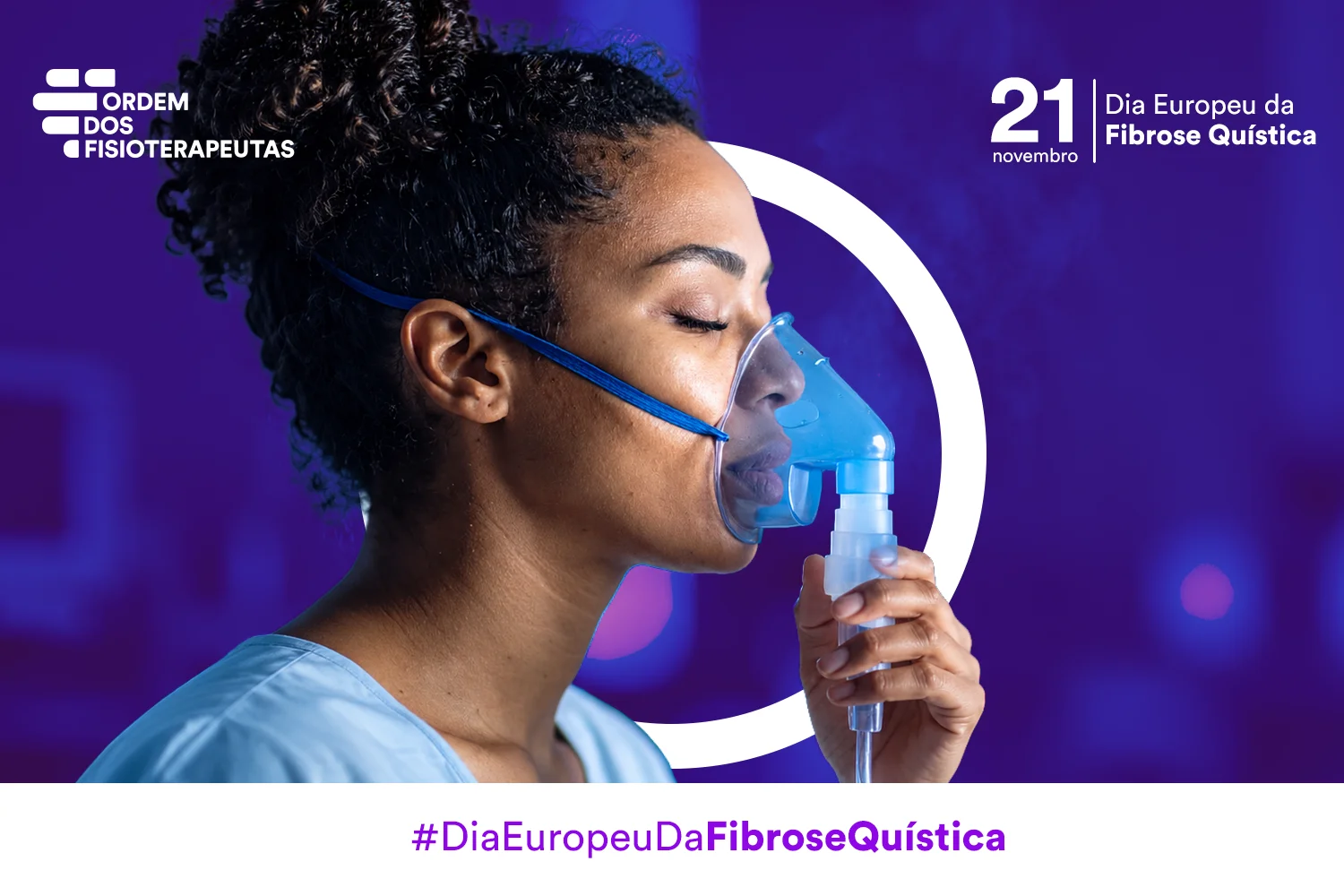
Dia Europeu da Fibrose Quística: Fisioterapia Cardiorrespiratória ao longo da vida

Assinala-se a 21 de novembro o European Cystic Fibrosis Day, uma oportunidade para sensibilizar para esta doença complexa e para a importância de um acompanhamento especializado e multidisciplinar ao longo da vida.


The role of physiotherapy

A Fisioterapia Cardiorrespiratória integra o acompanhamento das pessoas com Fibrose Quística ao longo da vida, contribuindo para a gestão dos sintomas respiratórios, a capacidade física e a autonomia.

A intervenção pode incluir técnicas de limpeza das vias aéreas, exercício e promoção da atividade física, educação e estratégias de autogestão, adaptadas às necessidades e objetivos de cada pessoa.

Estas abordagens podem contribuir para facilitar a mobilização e eliminação de secreções, promover a capacidade física e funcional, apoiar a gestão dos sintomas e a prevenção de complicações e promover a autonomia e a qualidade de vida.

A intervenção deve ser individualizada e integrada num acompanhamento multidisciplinar continuado, acompanhando as necessidades que podem surgir ao longo do percurso de cada pessoa.

Neste Dia Europeu da Fibrose Quística, a Ordem dos Fisioterapeutas destaca o contributo da Fisioterapia Cardiorrespiratória para a funcionalidade, a autonomia e a qualidade de vida das pessoas com Fibrose Quística.


World COPD Day: the contribution of physiotherapy to functionality and independence

18 November marks the World Chronic Obstructive Pulmonary Disease (COPD) Day, an opportunity to raise awareness of the impact of this disease on people’s lives and of the importance of appropriate support.

Living better with COPD involves maintaining functional ability and quality of life.


The role of physiotherapy

Cardiorespiratory physiotherapy helps to manage symptoms, improve exercise tolerance and promote greater independence.

In COPD, exercise, education and the promotion of physical activity are key components of respiratory rehabilitation programmes.

Access to these programmes can help to improve functional capacity, support symptom management and enhance the quality of life of people with COPD.

Respiratory rehabilitation combines exercise, education and other interventions, involving a multidisciplinary team that includes physiotherapists.

On this World COPD Day, the Portuguese Physiotherapists’ Association emphasises the importance of promoting access to care that helps to preserve the functionality, independence and quality of life of people living with this condition.


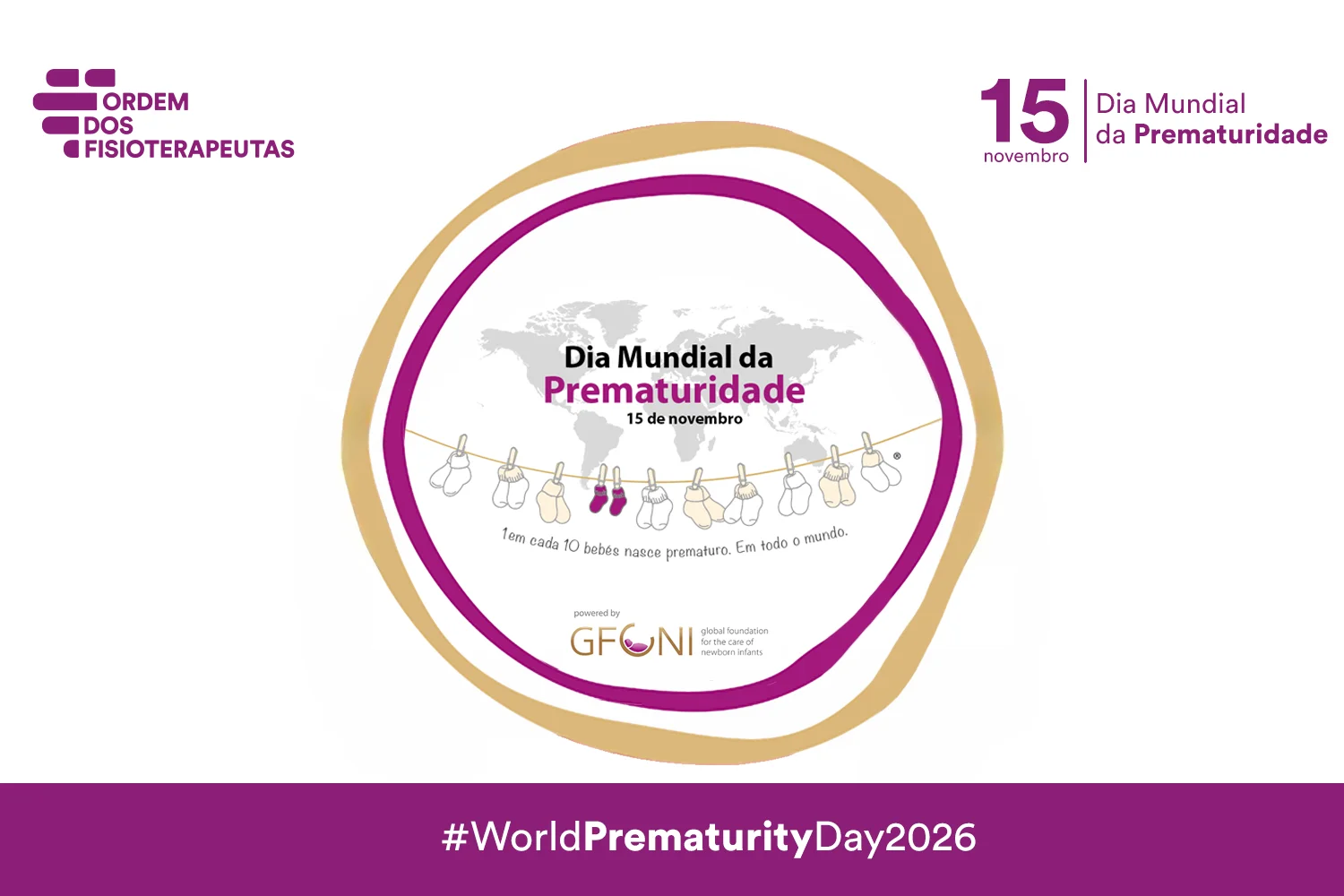
World Prematurity Day – the contribution of physiotherapy from the very beginning of life

From this year onwards, the World Prematurity Day It is now observed on 15 November, following its inclusion in the World Health Organisation’s calendar of global campaigns.

Observed in over 100 countries, this day aims to raise awareness of the challenges associated with preterm birth and the importance of ensuring appropriate care and support for babies and their families.

In 2026, under the slogan “Small babies, big potential. Invest in follow-up care to protect their future!”, the international campaign places particular emphasis on the importance of continuity of care following discharge from neonatal units. Follow-up care may include developmental assessment, education and support for families, community-based follow-up and access to specialist care, in accordance with the needs of each baby and family.

Every year, thousands of babies are born before 37 weeks’ gestation, at a time when their bodies – and particularly their nervous systems – are still in the midst of development. For many of these babies, this early stage of life can present additional challenges in terms of respiratory function, motor and sensory organisation, behavioural regulation and neurological development.

Prematurity can affect motor development, posture, muscle tone, coordination and the acquisition of fundamental skills — such as controlling the head, sitting, crawling or walking. It is in this context that science and clinical practice demonstrate the transformative role of early intervention.


The Importance of Physiotherapy in Neurodevelopment

Brain plasticity in the first few months of life gives the nervous system enormous potential for development, and the brain’s architecture and functional capacities are profoundly shaped by enriching early experiences and responsive interactions.

Family-centred intervention programmes have proven to be highly practical and effective approaches. By empowering parents under specialist guidance — incorporating, for example, multisensory stimulation, baby massage and postural support (such as the kangaroo care method) — these programmes promote significant improvements in motor skills.


The Role of Physiotherapy

Physiotherapy aims to create opportunities for each baby or child to explore their body and their environment, develop skills, gain independence and take part in activities typical of childhood. This intervention must be based on the best available scientific evidence, integrated into an interdisciplinary approach and tailored to the child’s different life contexts.

The family plays a central role in this process. Empowering parents, acknowledging their concerns, building trust and incorporating strategies that support development into daily routines are essential aspects of a child- and family-centred approach.


Every achievement counts

As this year’s international campaign emphasises, support does not end with discharge from hospital. Continuity of care, monitoring of development and coordination between different healthcare professionals and educational and family settings are essential to ensure that the needs of every baby or child are identified and addressed in a timely manner. The family must be recognised as an active partner throughout this journey. Healthy development is built on reliable, supportive relationships, a high degree of guided functional practice and appropriate opportunities for stimulation.

Because every day counts and every achievement matters, physiotherapy is there from the very beginning and throughout a child’s development, helping to turn developmental opportunities into opportunities for participation and a better quality of life.


Caring right from the start. Promoting development. Empowering the future.

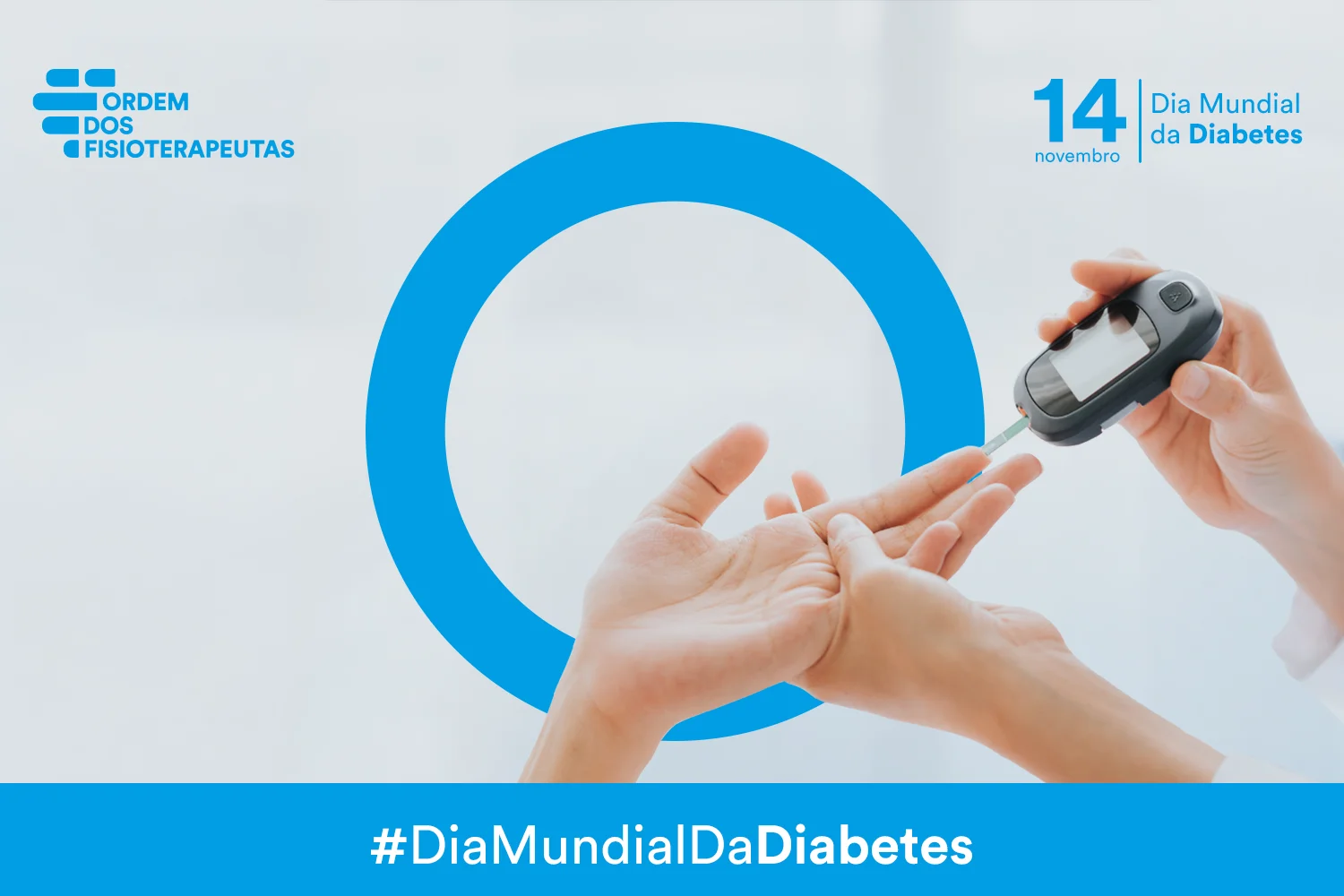
World Diabetes Day: early action makes all the difference

14 November marks the World Diabetes Day, this year under the international theme “Early action on diabetes”, which highlights the importance of early diagnosis, risk reduction and timely access to care.
Diabetes is one of the major public health challenges worldwide. Many people live with the condition undiagnosed and, in some cases, complications are already present by the time type 2 diabetes is diagnosed.
Early intervention involves identifying risk factors, promoting healthy lifestyles, facilitating diagnosis and ensuring appropriate care for people living with diabetes.


The role of physiotherapy

Physical activity and exercise play an important role in the prevention and management of type 2 diabetes. Physiotherapists can help to promote more active lifestyles and to prescribe and adapt exercise programmes to suit each person’s abilities, needs and health conditions.

For people living with diabetes, physiotherapy can also help to maintain or improve functional ability, mobility and independence, as well as prevent or minimise limitations associated with the complications of the condition.

Early intervention is particularly important when changes begin to emerge that could compromise mobility, balance, exercise tolerance or participation in everyday activities.

Diabetes can be associated with serious complications, including vascular and neurological changes, foot problems and, in the most severe cases, amputation. Prevention, monitoring and a timely, multidisciplinary response are essential to reducing the impact of these complications on people’s lives.

On this World Diabetes Day, the Portuguese Physiotherapists’ Association joins in with the international message: Taking early action means investing in health, functionality and quality of life.


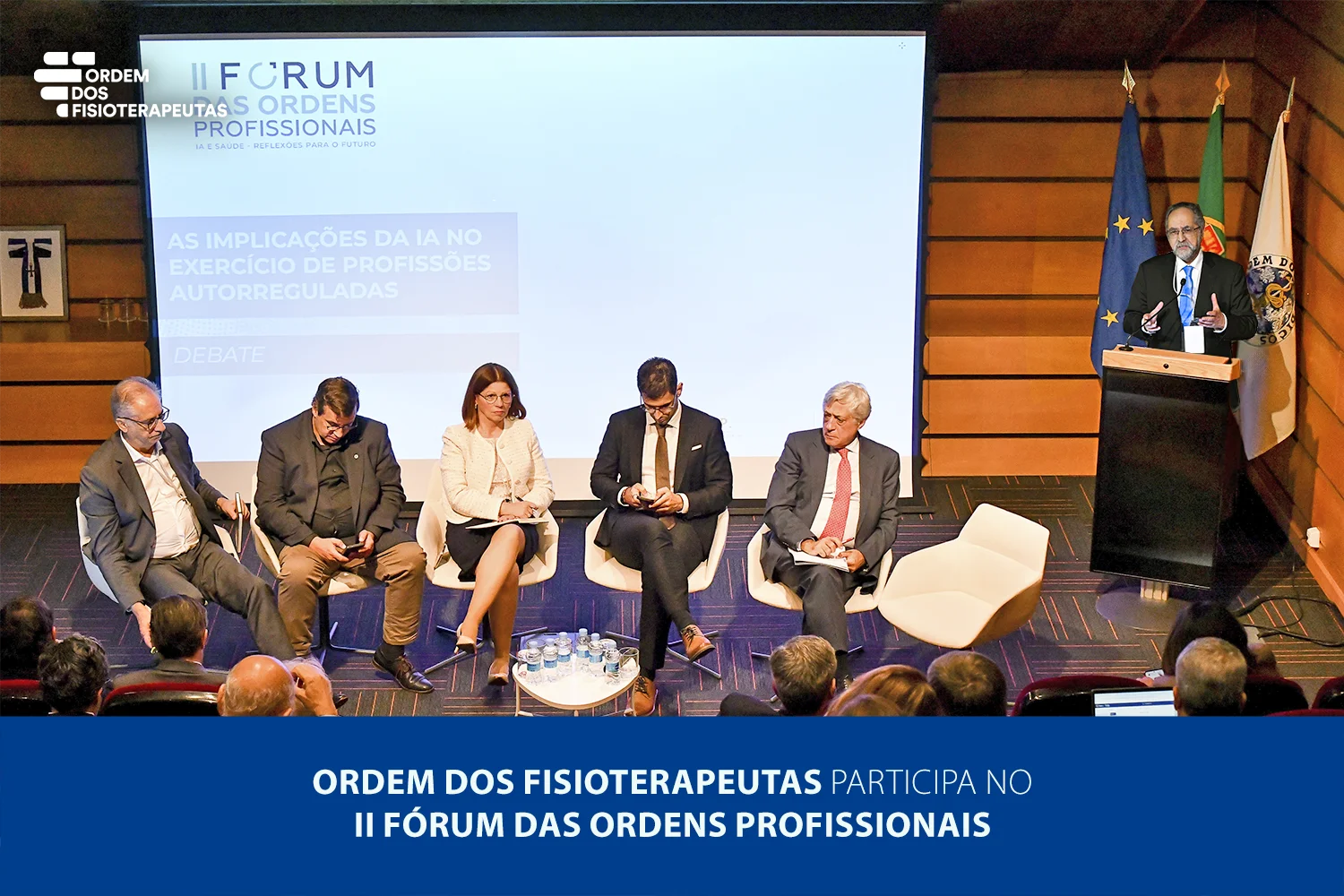
The Portuguese Physiotherapists’ Association takes part in the 2nd Forum of Professional Associations

The Portuguese Physiotherapists’ Association took part, on Tuesday 10 November, in the 2nd Forum of Professional Bodies, organised by the National Council of Professional Orders (CNOP), in the Auditorium of the Portuguese Medical Association, in Lisbon.

The initiative brought together representatives from various professional bodies to discuss two issues of particular relevance to the future of regulated professions and public services: the implications of artificial intelligence for the practice of self-regulated professions, and public sector reform in the health sector.

The Portuguese Physiotherapists’ Association was represented by its President, António Lopes, and by various members of its governing bodies, namely the Executive Committee, the General Council and the Judicial Council.

The morning session was devoted to the impact of artificial intelligence on professional practice, bringing together contributions on the challenges posed by technological innovation to the regulation, qualifications and practice of the professions.

During the afternoon, the debate focused on public sector reform in the health sector, with discussion of the current challenges facing the organisation of services and the contribution of the regulated professions to the development of the health system.

The Portuguese Physiotherapists’ Association’s participation in this Forum forms part of its work in institutional representation and coordination with other professional bodies, contributing to a joint discussion on issues that have an impact on professional practice, regulation and the provision of healthcare.


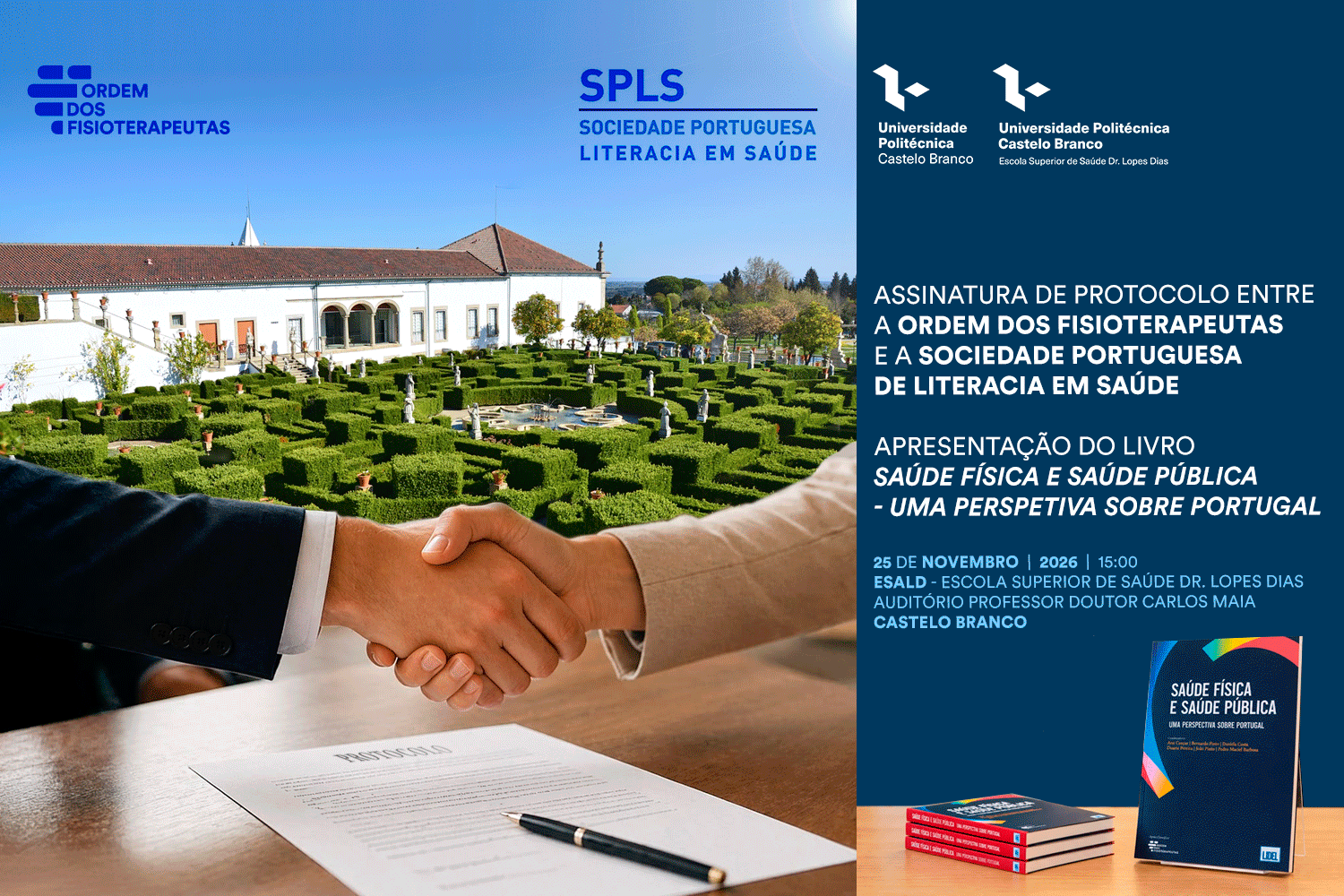
Ordem dos Fisioterapeutas e SPLS formalizam cooperação para promover a literacia em saúde

A Order of Physiotherapists and the Sociedade Portuguesa de Literacia em Saúde (SPLS) vão formalizar um protocolo de cooperação no próximo dia 25 de novembro, na Escola Superior de Saúde Dr. Lopes Dias, em Castelo Branco.

A parceria visa reforçar a literacia em saúde e promover o bem-estar da população, valorizando o contributo da Fisioterapia para a saúde pública, a prevenção de doenças crónicas e a qualidade de vida ao longo do ciclo de vida.

A assinatura decorrerá numa sessão que inclui também a apresentação do livro Saúde Física e Saúde Pública – Uma Perspetiva sobre Portugal, com a participação de autores da obra e representantes da Ordem e da SPLS.

Com início às 15h00, no Auditório Professor Doutor Carlos Maia, a sessão será acolhida pela Escola Superior de Saúde Dr. Lopes Dias, da Universidade Politécnica de Castelo Branco.


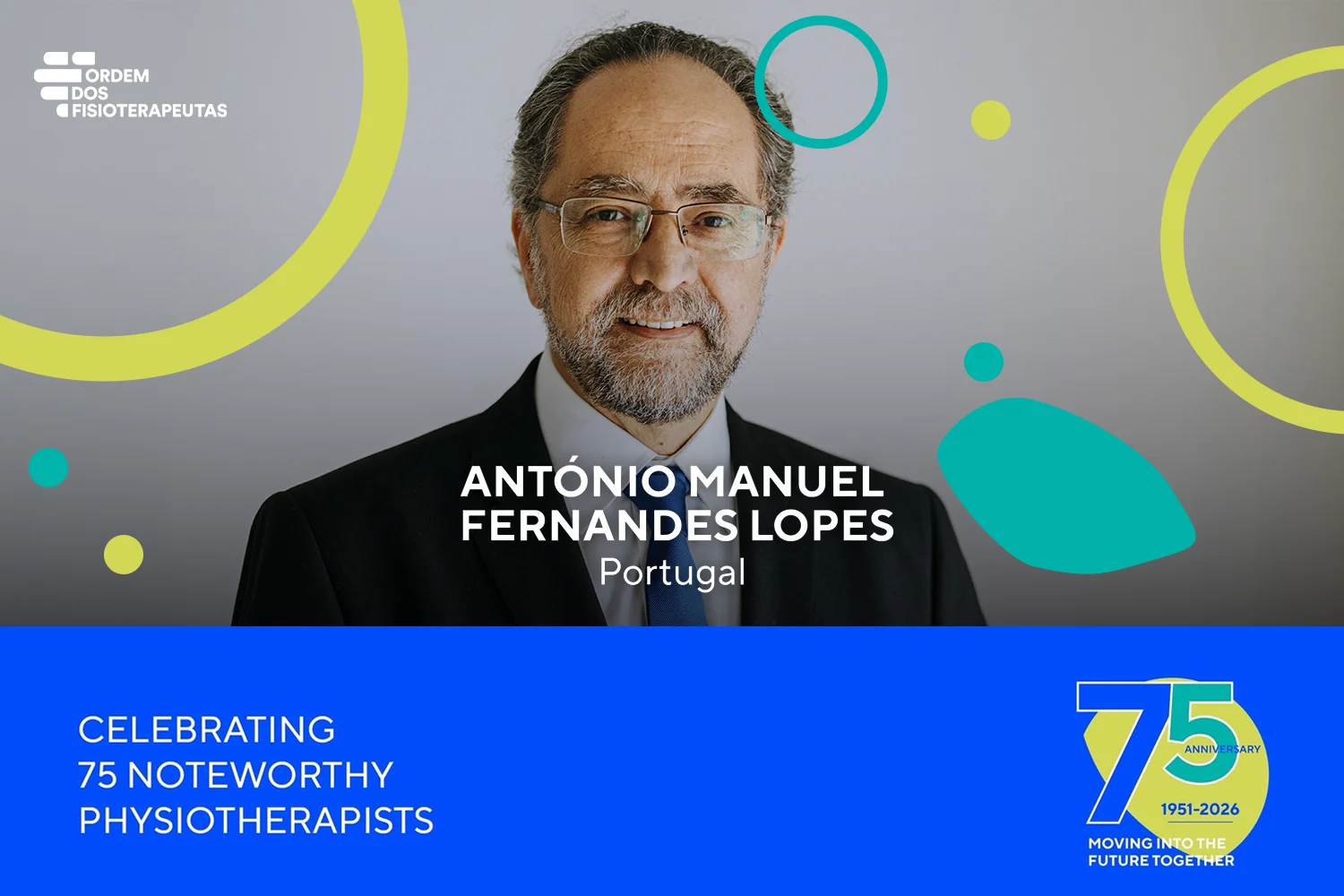
World Physiotherapy honours António Lopes, President of the Portuguese Physiotherapy Association, amongst 75 prominent figures

As part of the celebrations marking its 75th anniversary, World Physiotherapy honoured António Lopes, President of the Portuguese Physiotherapists’ Association, as one of 75 leading figures in physiotherapy recognised for their contribution to the development and promotion of the profession at national and international level.

The “75 noteworthy physiotherapists” initiative honours physiotherapists who, over the past few decades, have distinguished themselves through the impact of their work on the development, recognition and appreciation of the profession. The 75 honourees have been announced individually by the international organisation since September.

With a career spanning more than five decades, António Lopes has devoted much of his work to teaching physiotherapy, professional development and representing the profession in national and international organisations.

Having graduated in Physiotherapy from the Alcoitão School in 1975, he became involved in the professional association movement at an early stage, playing an active role in the Portuguese Association of Physiotherapists and, from 1977 onwards, representing Portuguese physiotherapy on the international stage.

His work at European level was particularly significant. Between 1991 and 1998, he served as Vice-Chair of the Standing Liaison Committee of Physiotherapists of the European Economic Community (SLCP) and, between 1998 and 2010, chaired the European Region of the then World Confederation for Physical Therapy (WCPT), now known as World Physiotherapy. Throughout this time, he took part in initiatives aimed at promoting professional mobility, the harmonisation of training and the development of physiotherapy in Europe.

At the same time, he pursued an extensive academic career at the Alcoitão School of Health, contributing to the teaching, organisation and development of physiotherapy training. He also took part in European projects relating to higher education and in initiatives to adapt training for the health professions to the Bologna Process.

In Portugal, he was one of the key figures in the process of establishing professional autonomy and self-regulation that led to the creation of the Portuguese Physiotherapists’ Association in 2019. He was a member of the Founding Committee and, in December 2021, became the institution’s first elected President.

His contribution to the international development of the profession had already been recognised by World Physiotherapy, which had awarded him the International Service Award.

The award, which has now been presented, forms part of the celebrations marking the 75th anniversary of World Physiotherapy and represents further international recognition of António Lopes’s career and his contribution to physiotherapy.

The announcement will be made on 6 November, coinciding with the 6th Congress of the European Region of World Physiotherapy in Madrid, in which the President of the Portuguese Physiotherapy Association is taking part.

António Lopes thus joins Isabel Souza Guerra, who was also honoured in September by World Physiotherapy as part of the same initiative, which raises the international profile of professionals who have contributed to the development of physiotherapy.

Once the list of the 75 honourees has been announced, World Physiotherapy will publish a commemorative issue dedicated to their careers and contributions to the profession.


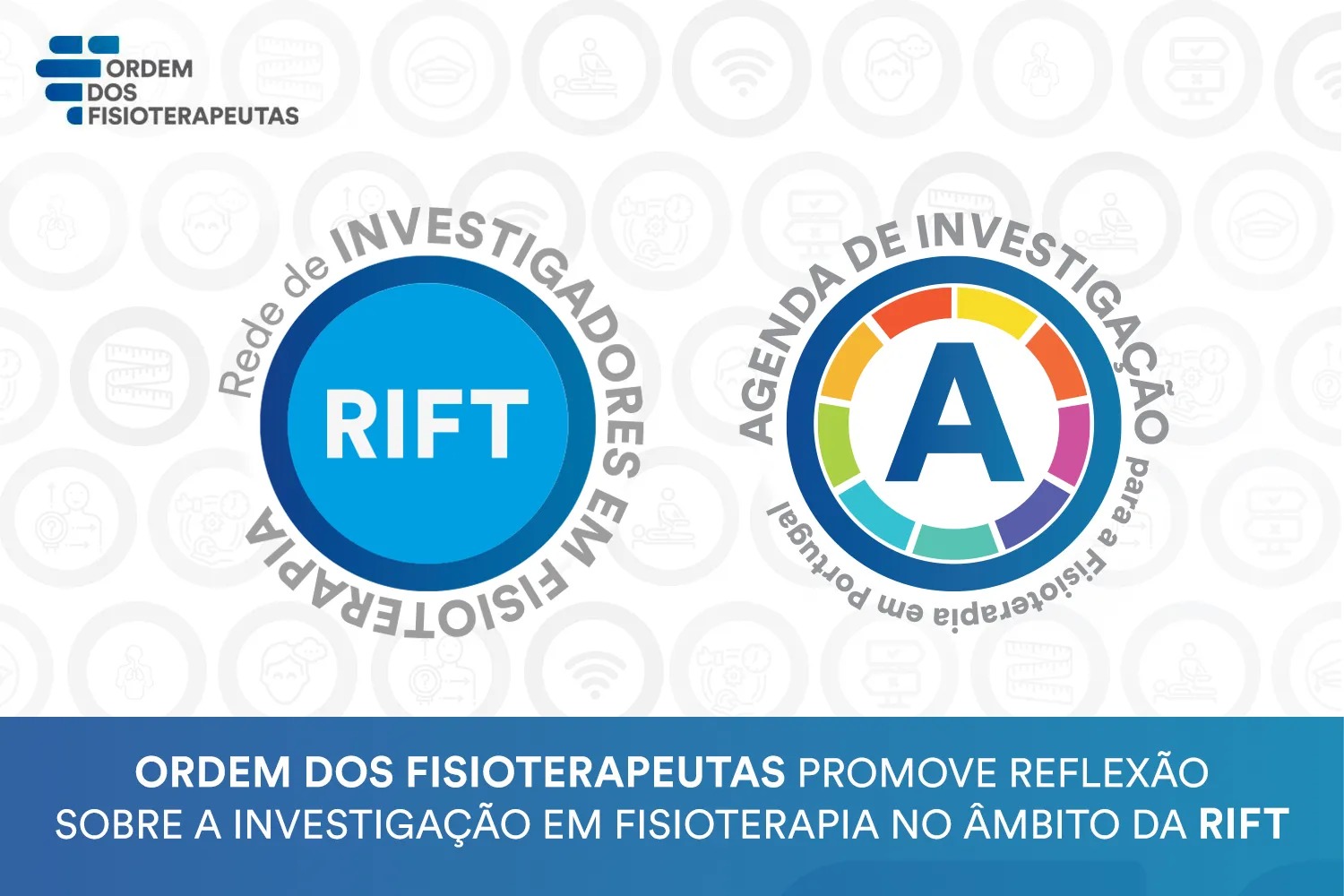
The Portuguese Physiotherapists’ Association is promoting a discussion on physiotherapy research within the framework of RIFT

The Portuguese Physiotherapists’ Association, through its Office for Research, Foresight and Planning (GEPP), organised a thematic session on 3 November online aimed at physiotherapists who are researchers and are registered with the Network of Physiotherapy Researchers (RIFT), under the theme “Levels of Evidence and Research Findings in Physiotherapy”.

The aim of the initiative was to promote the sharing of knowledge and reflection on the challenges facing research in physiotherapy, whilst strengthening links between researchers, institutions and professional practice.

The main topics covered during the session were the role of RIFT and its link to the Physiotherapy Research Agenda in Portugal, the different stages of research development, levels of scientific evidence, and indicators of quality and impact in scientific output.


From identifying priorities to promoting research

Published in March 2025, the Research Agenda for Physiotherapy in Portugal identifies research priorities within the national context; it is the result of a literature review and consensus-building process involving 479 physiotherapists and 70 service users.

This tool serves as a benchmark to guide future research, aligning the production of scientific knowledge with the needs of the profession, the healthcare sector and the general public.

In this context, RIFT plays an important role in bringing researchers and institutions closer together, promoting the sharing of knowledge, the identification of expertise and the development of opportunities for scientific collaboration.

Through the RIFT platform, it is possible to search for physiotherapists who are researchers and their respective areas of research, thereby helping to raise the profile of the research carried out by physiotherapists in Portugal.


Find out about RIFT and the Research Programme

Through these initiatives, the Portuguese Physiotherapists’ Association aims to contribute to more structured, collaborative research in physiotherapy, focused on generating knowledge that is relevant to professional practice and the quality of care.

Physiotherapists who carry out research may wish to find out about RIFT and consult the registration requirements on the platform.


Pink October: the role of physiotherapy before, during and after treatment

Throughout October, the Pink October highlights the importance of prevention and early diagnosis of breast cancer. In Portugal, this awareness campaign culminates on 30 October with the National Breast Cancer Prevention Day.

The Portuguese Physiotherapists’ Association supports this initiative, highlighting the contribution that physiotherapy can make at different stages of a person’s life, from promoting healthy lifestyles to preparing for treatment and recovery.

Regular physical activity is part of a healthy lifestyle and can help reduce the risk of breast cancer. Physiotherapy can support people in adopting and maintaining appropriate levels of physical activity through safe exercise tailored to each person’s individual characteristics, needs and abilities.

Following diagnosis, and prior to surgery or other treatments, physiotherapy can also form part of pre-rehabilitation programmes, designed to prepare the individual for the course of treatment and to help maintain their physical condition and functional ability.

Following breast surgery and throughout the recovery process, physiotherapy can help prevent and manage lymphatic complications, such as lymphoedema, aid the recovery of mobility and the quality of movement in the shoulder and upper limb, and address pain, stiffness and other functional limitations resulting from the treatments. Exercise, tailored to the clinical situation and individual goals, can also form part of this process, contributing to independence and quality of life.

Throughout the various stages, the intervention must be tailored to the individual and coordinated with other healthcare provision, taking into account not only the person’s clinical condition but also their activities, needs and priorities.

As part of Pink October and National Breast Cancer Prevention Day, the Portuguese Physiotherapists’ Association is therefore emphasising the following message: physiotherapy can support patients before, during and after treatment, helping to promote functionality, independence and quality of life.


Pedro Maciel Barbosa

Specialist physiotherapist at the Matosinhos Local Health Unit Sub-coordinator for Primary Health Care, Matosinhos Local Health Unit Visiting Assistant Professor at the Porto School of Health Member of the Board of Directors of the Foundation for Health - SNS Member of the General Council of the Order of Physiotherapists

Carlos Sand

Carlos Areia has been a physiotherapist since 2013, and has worked in various hospitals, clinics and clubs in both Portugal and the UK. He began his academic career at Oxford University in 2016, where he led a clinical trial comparing physiotherapy vs surgery in anterior cruciate injuries in 32 hospitals in England. In 2018 she moved to the neurosciences department, where she developed her own studies on remote monitoring of vital signs, which were implemented during the pandemic. Here he discovered his passion for data, and in 2022, he joined Digital Science as a Data Scientist. He completed his PhD earlier this year, and has more than 60 publications in journals such as The Lancet, BMJ, Cochrane, among others. He is also an honorary lecturer at Oxford Brookes University and a consultant in clinical research.

Eduardo José Brazete Carvalho Cruz

PhD in Physiotherapy from the University of Brighton, UK. Post-Doctorate in Epidemiology from the National School of Public Health at the New University of Lisbon.
Coordinator of the Studies and Planning Office of the Order of Physiotherapists. Coordinating Professor of the Physiotherapy Department of the School of Health of the Polytechnic Institute of Setúbal (ESS-IPS). President of the ESS-IPS Technical-Scientific Council. Coordinator of the Physiotherapy Department at ESS-IPS. Integrated Researcher at the Comprehensive Health Research Centre (CHRC) (a partnership between FCM-UNL, the National School of Public Health, the University of Évora, the Lisbon Institute of Global Mental Health and Santo Espírito Hospital, Terceira Island, Azores).

Sara Souto Miranda

Sara Souto Miranda has a bachelor's and master's degree in physiotherapy from the University of Aveiro, and a postgraduate qualification in adult respiratory physiotherapy from the same institution. In 2023 she completed her double doctorate in Rehabilitation Sciences/Health, Medicine and Life Sciences at the Universities of Aveiro and Maastricht (Netherlands) and is currently working as a technical-scientific advisor to the Studies and Planning Office (GEP) of the Order of Physiotherapists, and as a guest lecturer at the Piaget Institute in Vila Nova de Gaia. As a member of the Respiratory Research and Rehabilitation Laboratory at the University of Aveiro (Lab3R), she has carried out applied research in which she has assessed and treated patients with respiratory pathology, having taken part in 6 research projects. Throughout her career she has published 19 scientific articles in international peer-reviewed journals with an impact factor, 1 book chapter and more than 50 abstracts in conference proceedings. She was a research volunteer at the Ciro rehabilitation centre (Centre for expertise in chronic organ failure) in the Netherlands, and is currently a member of the Guideline Methodology Network of European Respiratory Society. She was honoured by European Lung Foundation e European Respiratory Society for carrying out patient-centred research, by the Directorate General for Higher Education with a merit grant for his master's degree, and by the Ciro Centre with a grant to support research abroad.

This site uses cookies to enable a better user experience.
By browsing the site you are consenting to its use.