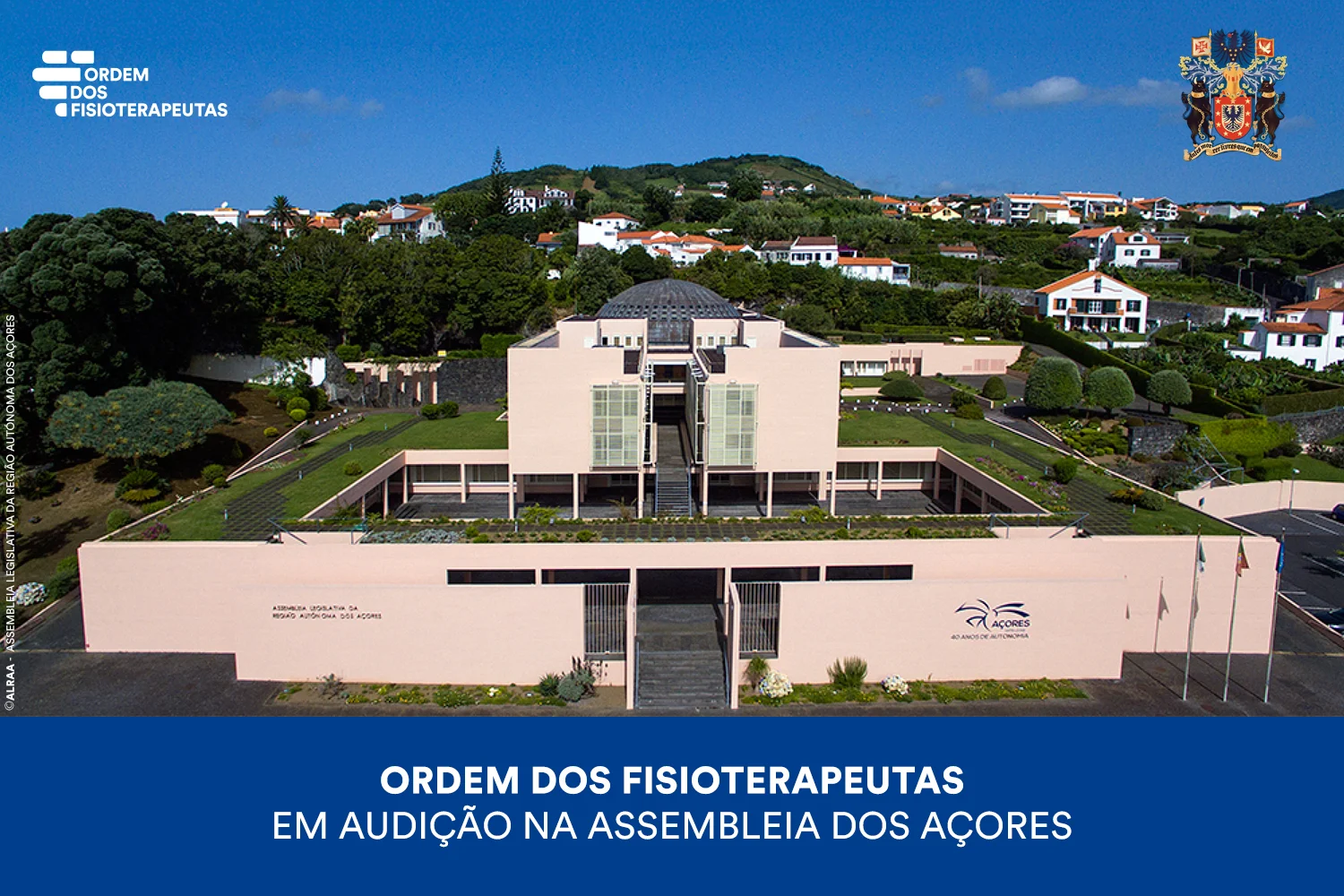
President of the Portuguese Physiotherapists’ Association attends a CNOP meeting with the President of the Republic

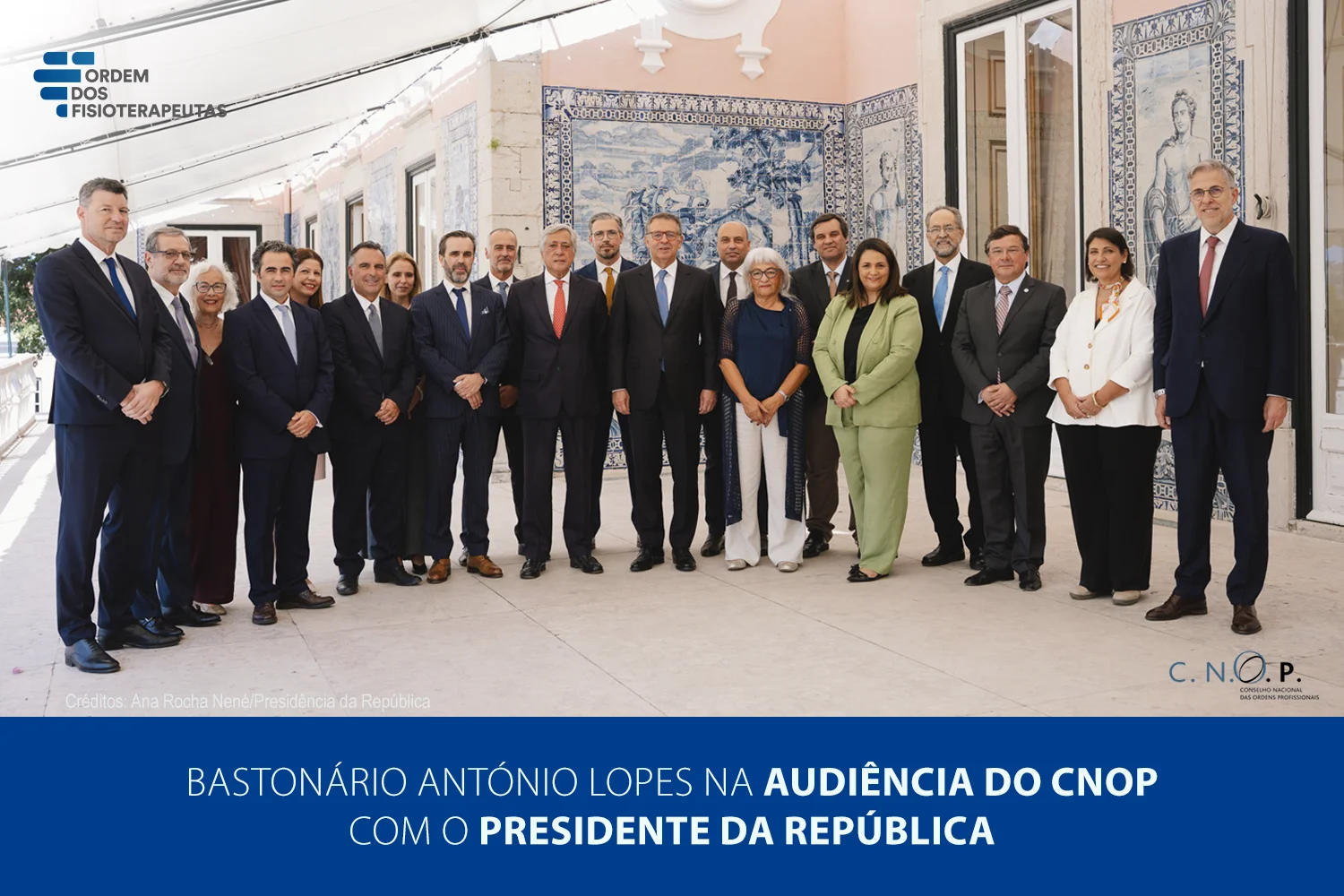
The President of the Portuguese Physiotherapists’ Association, António Lopes, attended the audience granted by the President of the Republic to the National Council of Professional Associations at the Belém Palace on Wednesday. 

The meeting brought together representatives of the professional bodies that make up the CNOP and provided an opportunity to pay respects to the President of the Republic, as well as to discuss matters of relevance to regulated and self-regulated professions in the public interest. 

Among the key topics discussed were the 2nd Forum of Professional Bodies, which focused on artificial intelligence and healthcare reform, the representation of the liberal professions on the Economic and Social Council, and relations between the professional bodies and their respective line ministries. 

The meeting also served to strengthen institutional cooperation between the Presidency of the Republic, the CNOP and the twenty professional bodies that make up the CNOP, which represent more than 500,000 qualified professionals. 

The Portuguese Physiotherapists’ Association’s participation in this hearing forms part of its work in institutional representation and coordination with other professional bodies on matters relevant to the regulated professions and to society. 
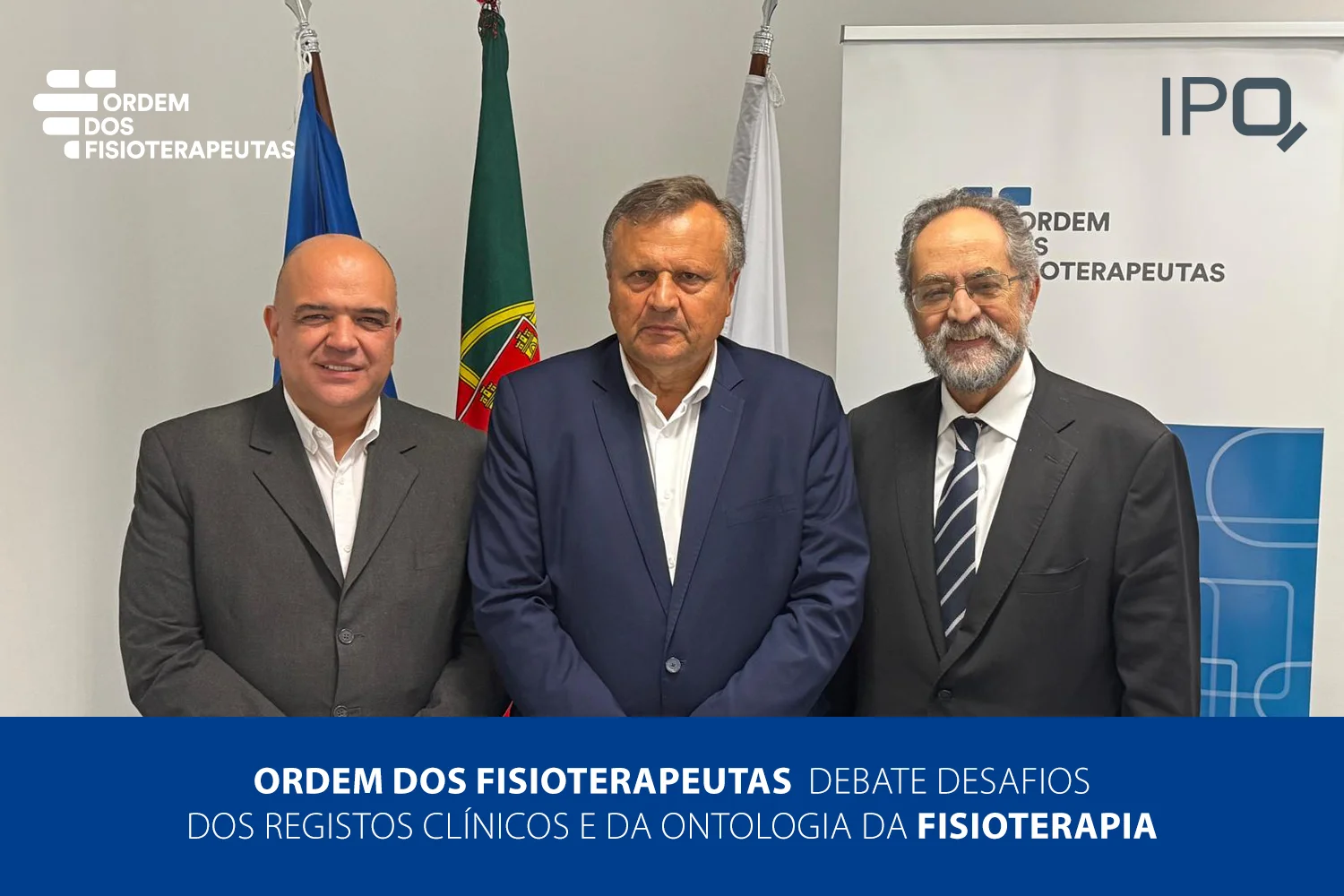
The Portuguese Physiotherapists’ Association discusses the challenges of clinical records and the ontology of physiotherapy

The Portuguese Physiotherapists’ Association held a working meeting focusing on the challenges associated with the collection, organisation and use of health data, against a backdrop of growing demands regarding interoperability, data quality, data security and the integration of artificial intelligence-based solutions. 
The meeting was attended by the President of the Portuguese Physiotherapists’ Association, António Manuel Fernandes Lopes; the Coordinator of the Office for Studies, Foresight and Planning (GEPP), Nuno Cordeiro, and Professor Mário Macedo, PhD, in his capacity as head of the Sectoral Committee for Health (CS/09) of the Portuguese Quality System, under the Portuguese Institute for Quality (IPQ). 
During the meeting, models of the complexity and demands of health records were analysed, as well as the requirements necessary to ensure semantic consistency, traceability and the reuse of clinical information. The discussion highlighted significant parallels with the work that the Portuguese Physiotherapists’ Association has been promoting in defining a professional record framework geared towards the practice of physiotherapy and the future implementation of the profession’s own ontology. 
The discussion also provided an opportunity to explore in greater depth the challenges posed by the digital transformation of healthcare, particularly with regard to data quality, information governance, the use of artificial intelligence, and the need to adopt robust conceptual frameworks that ensure the appropriate representation of physiotherapists’ practice. 
This initiative forms part of the Portuguese Physiotherapists’ Association’s commitment to developing tools that enhance the quality of professional records, promote knowledge generation and contribute to the development of health information systems, in line with the latest national and international best practice. 

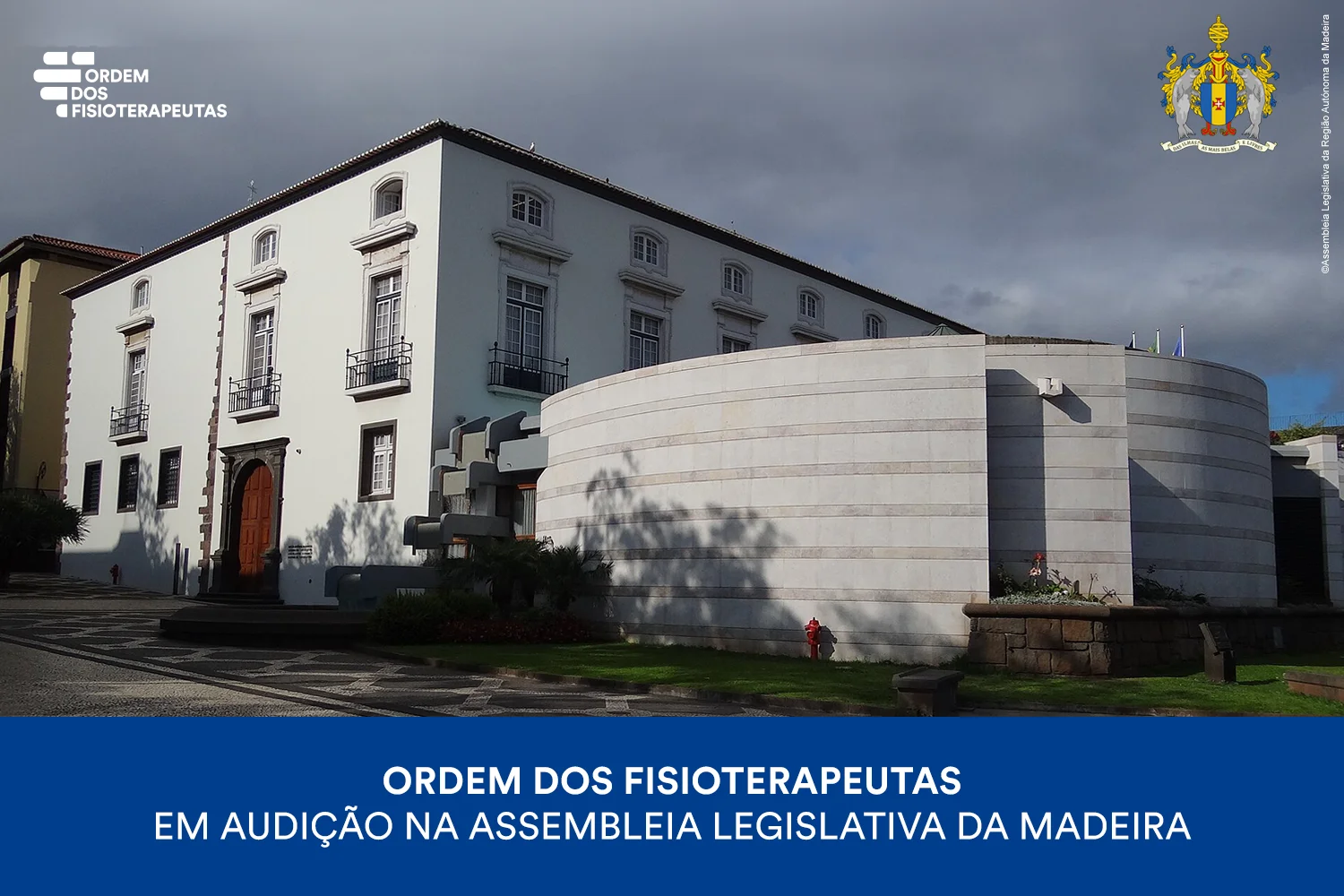
The Portuguese Physiotherapists’ Association at a hearing before the Legislative Assembly of Madeira

The President of the Portuguese Physiotherapists’ Association, António Lopes, took part this Tuesday, via videoconference, in a parliamentary hearing of the 5th Standing Specialised Committee on Health and Civil Protection of the Legislative Assembly of the Autonomous Region of Madeira.

The hearing focused on the changes introduced by Ministerial Orders Nos. 190/2026 and 191/2026, of 30 April, to the procedures for referral and prescription of physical medicine and rehabilitation care.

The involvement of the Portuguese Physiotherapists’ Association follows on from the monitoring that has been carried out on this matter, particularly following the institutional meetings held in the Autonomous Region of Madeira on 11 and 12 June, with the Regional Secretariat for Health and Civil Protection and with various parliamentary groups.

At the hearing, the President of the Order reiterated the position of the Order of Physiotherapists regarding the need to ensure that physiotherapy services are more accessible, appropriate and focused on patients’ needs, whilst recognising the technical and scientific autonomy of physiotherapists and their contribution to the health system.

He also emphasised that, under the current legal framework, physiotherapy services can and should be requested via referral from any doctor, regardless of their specialism, with physiotherapists bearing responsibility for the design, planning, delivery, assessment and adjustment of their treatment.

Concern was also expressed regarding the reversal of the model previously in force in the Autonomous Region of Madeira, under which doctors from various specialities could refer patients for physiotherapy, as this represents a step backwards in relation to developments in healthcare delivery models and the rational use of existing human resources.

Other concerns highlighted included the risk of duplicate medical appointments, the potential loss of entitlement to reimbursement of healthcare costs, and the clinical, social and economic impact of postponing the start of treatment.

The Order will continue to monitor developments in this area, in collaboration with the Madeira Regional Directorate and the relevant authorities, whilst remaining available to contribute to solutions that improve the public’s access to physiotherapy care.

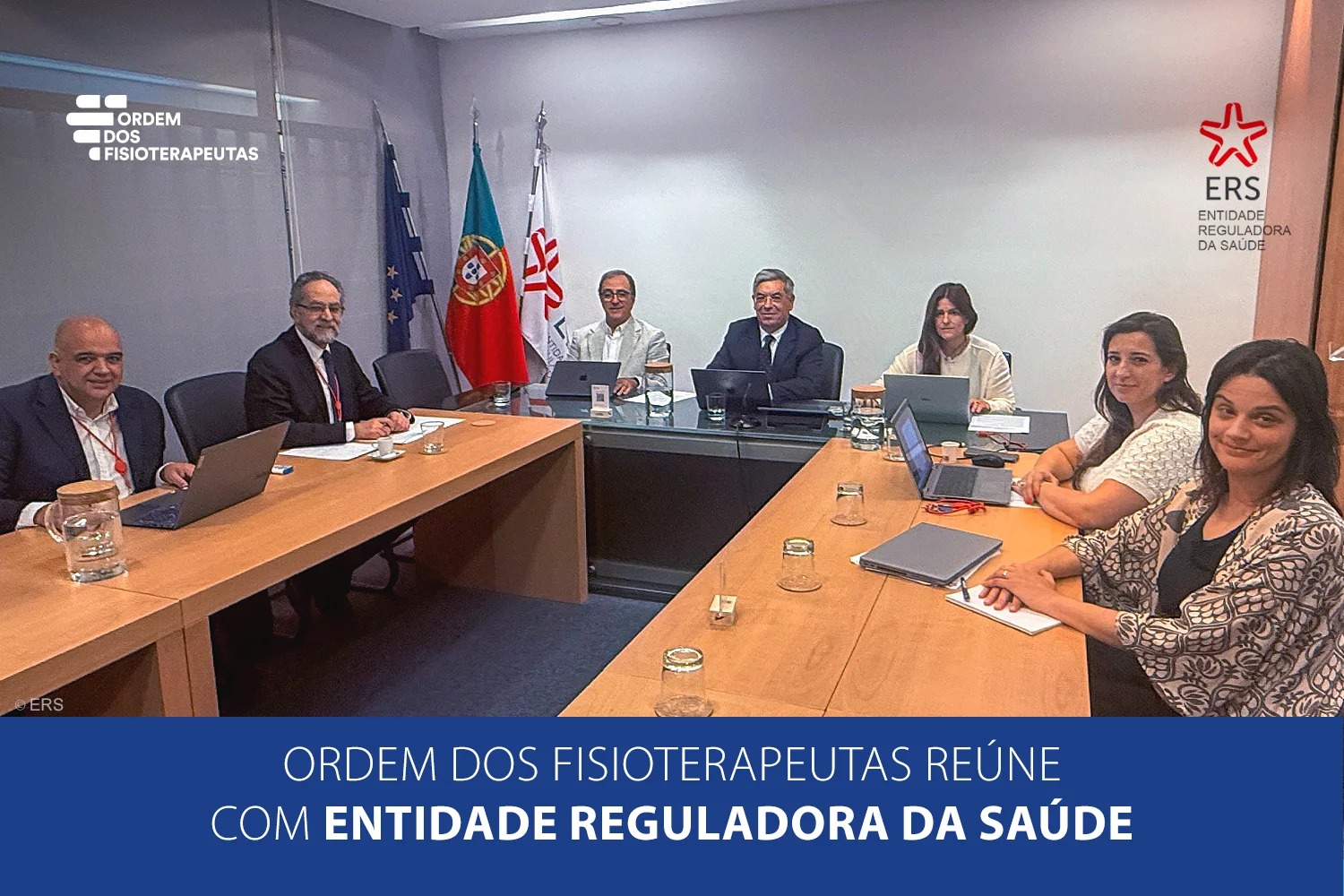
The Physiotherapists’ Association meets with the Health Regulatory Authority

The Portuguese Physiotherapists’ Association met with the Health Regulatory Authority on Monday at the ERS’s offices in Porto.

The meeting was attended by the President of the Portuguese Physiotherapists’ Association, António Lopes, accompanied by the Coordinator of the Association’s Office for Research, Foresight and Planning, Nuno Cordeiro, and the Board of Directors of ERS.

Topics relevant to the work of physiotherapists and the provision of physiotherapy care were discussed, including licensing and the minimum requirements applicable to healthcare establishments providing physiotherapy, as well as the growing use of artificial intelligence in the provision of this type of care, within a framework that ensures quality, safety, technical rigour and the protection of patients’ rights.

The Portuguese Physiotherapists’ Association and the Health Regulatory Authority have reaffirmed their commitment to continuing to work in close cooperation to ensure the quality and safety of the care provided.

The Order approves a report on the use of artificial intelligence and digital technologies in the provision of physiotherapy care

The Portuguese Physiotherapists’ Association has approved Opinion 0001.2026.P.B — The Use of Artificial Intelligence and Digital Technologies in the Provision of Physiotherapy Care.
The opinion states that technological developments, including digital solutions, telehealth and artificial intelligence, can improve access to, monitoring of and continuity of physiotherapy care.
The adoption of these technologies must respect the very nature of physiotherapy, whilst upholding quality, safety, technical and scientific autonomy, and professional responsibility.
The document emphasises that technology should support and complement the physiotherapist’s work, but cannot replace their assessment, clinical judgement, goal-setting, planning, monitoring and decision-making regarding the appropriateness of care.
Any model that incorporates digital technology or artificial intelligence must ensure identifiable professional oversight, clear accountability, data protection, security, appropriate referencing and equitable access.
This position applies to in-house, agreed, outsourced or contracted models, wherever they interfere with acts, processes or outcomes specific to physiotherapy.
 

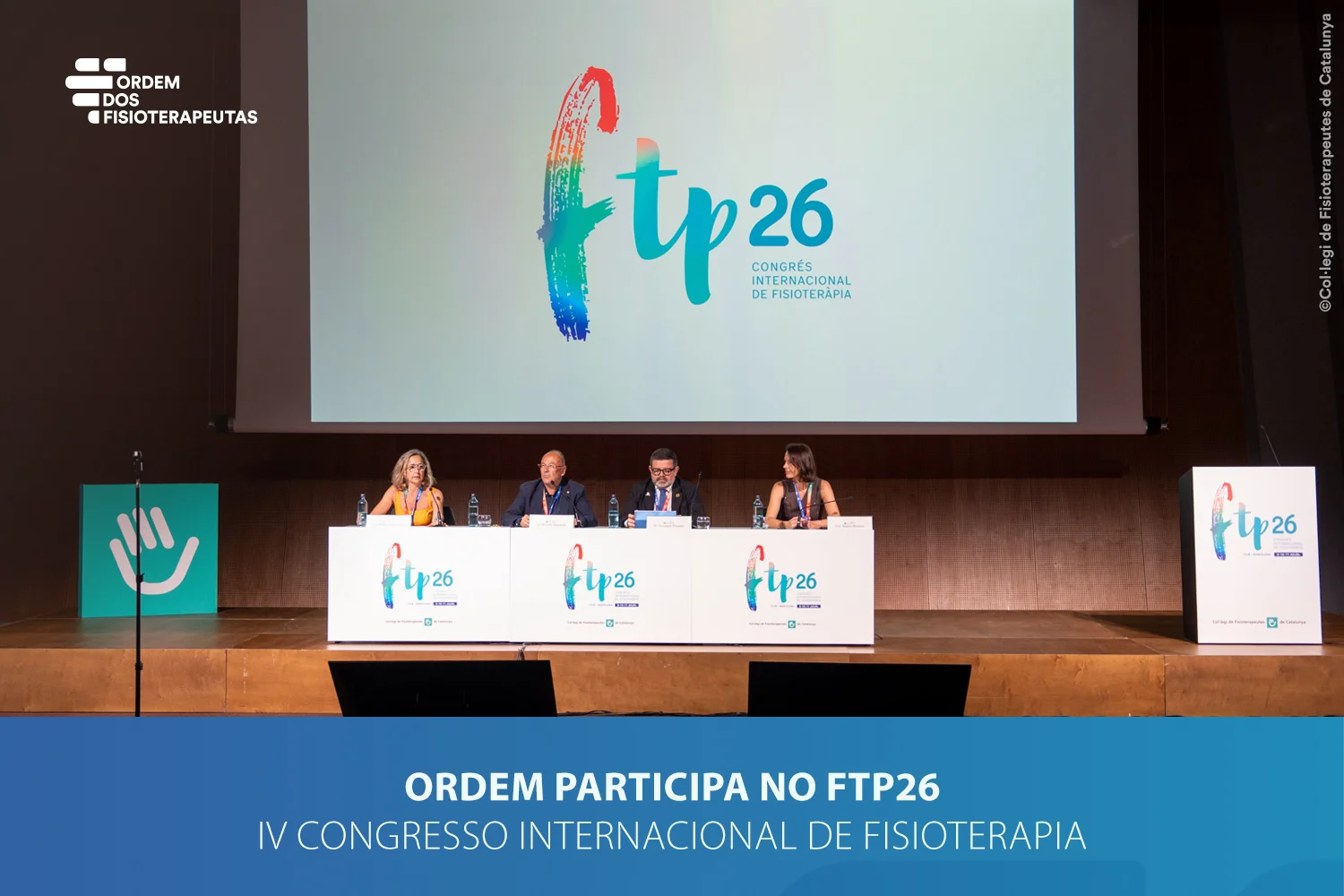
The Association is taking part in FTP26 – the 4th International Physiotherapy Congress, in Barcelona

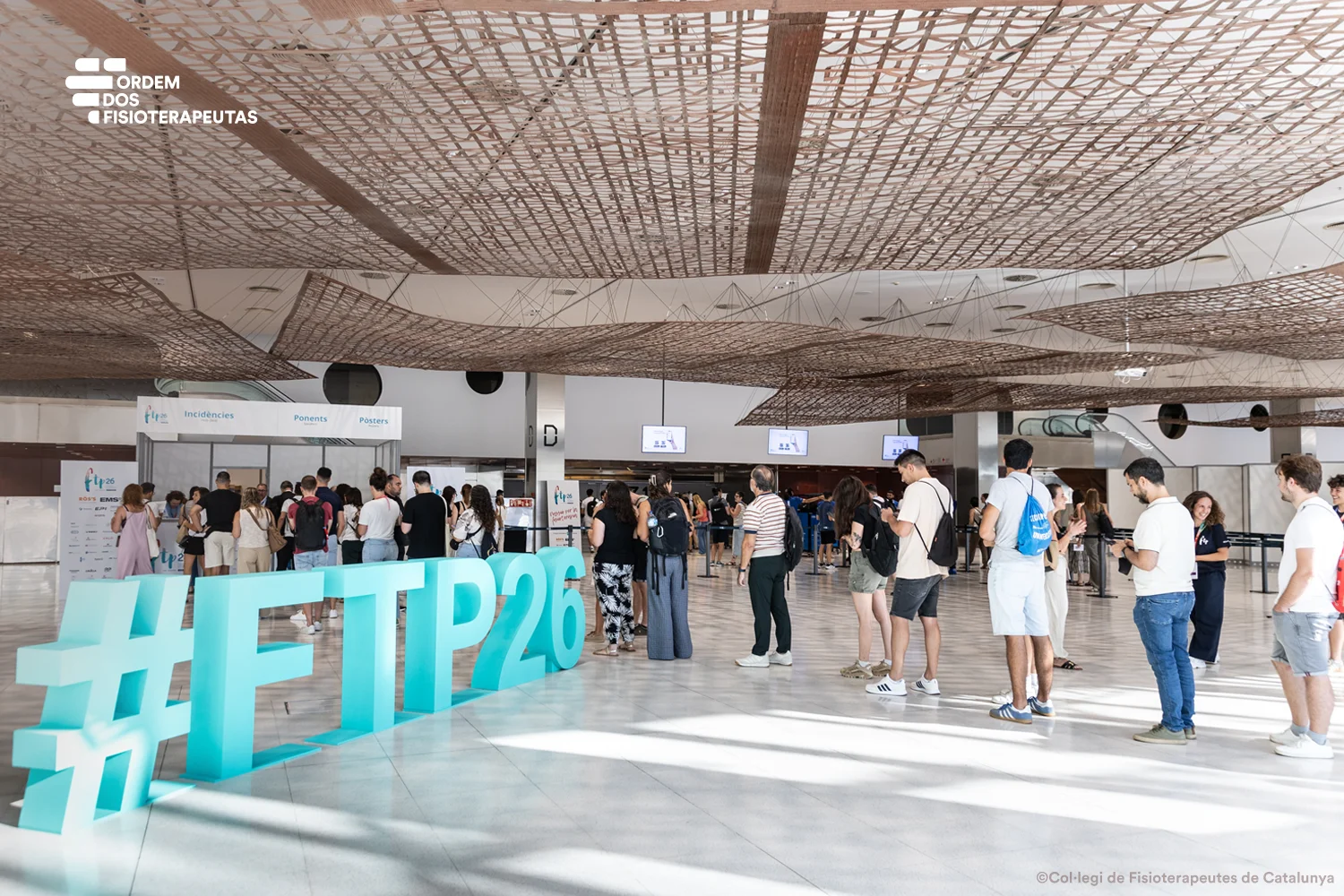
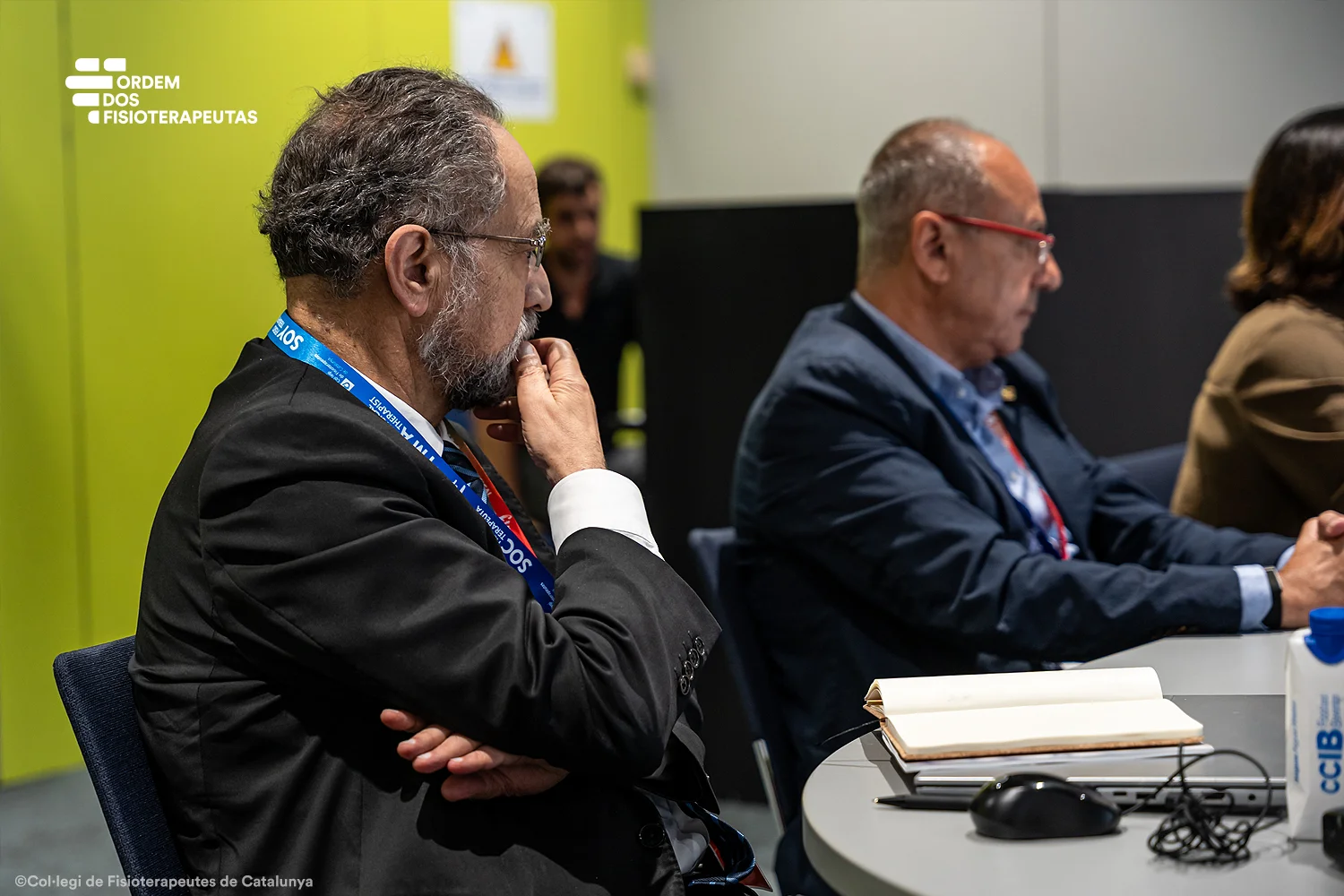
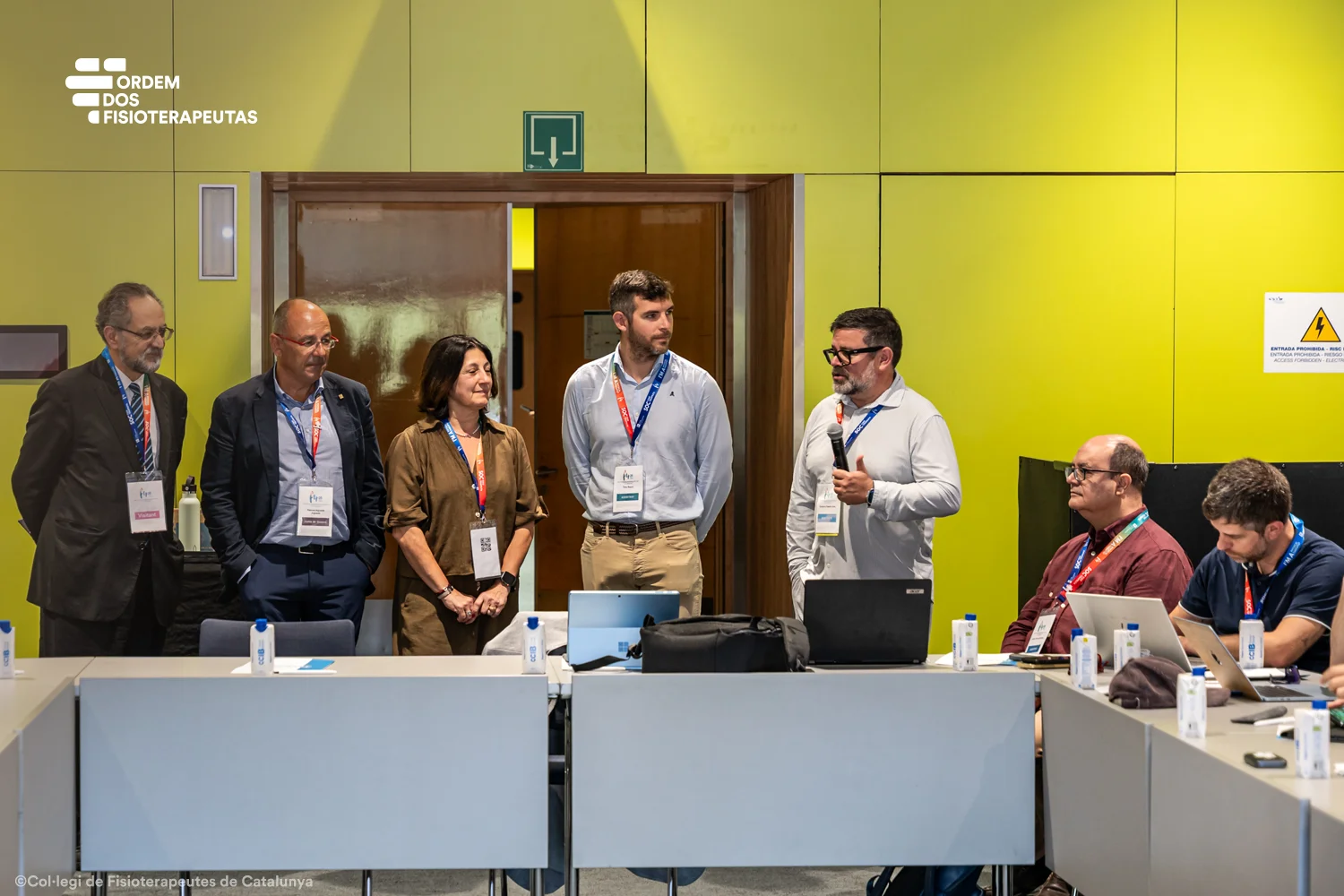
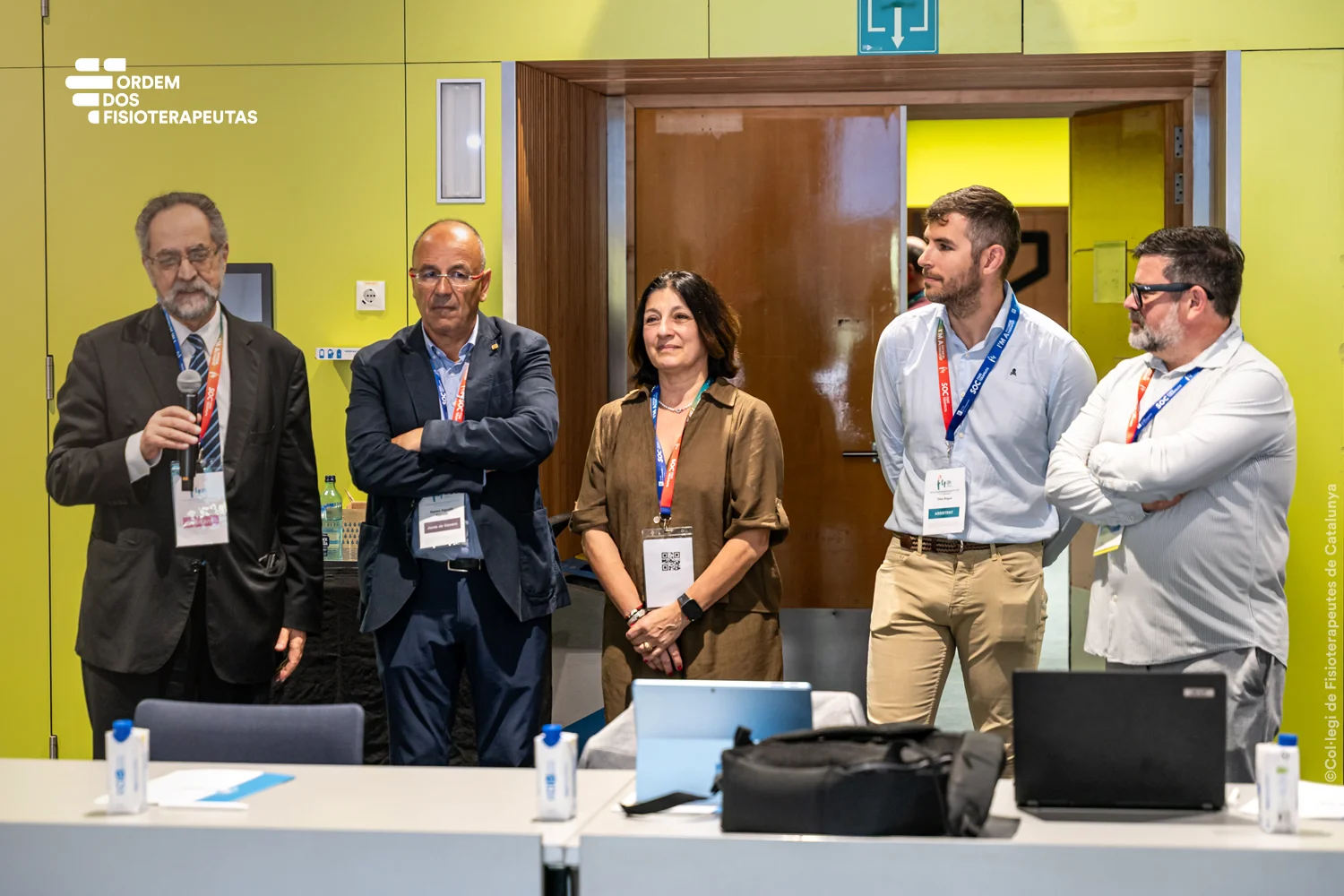
The President of the Portuguese Physiotherapists’ Association, António Lopes, took part in FTP26 – the International Physiotherapy Congress (https://www.ftp26.cat/es), organised by the Col·legi de Fisioterapeutes de Catalunya, which took place in Barcelona from 9 to 11 July.

The Order took part in the Congress’s opening ceremony and the round-table discussion entitled «Conditions for practising the profession in Europe», which was devoted to analysing the different models for the practice, regulation and development of the profession in various European countries.

In his speech, the President of the Association outlined the status of physiotherapy in Portugal as an autonomous and self-regulated health profession, the specific competences of physiotherapists, the model for entry into the profession, and some of the main challenges facing its development.

Other topics discussed included training, professional mobility, regulation, the development of professional specialisms, the integration of physiotherapists into the healthcare system, and the need for greater European harmonisation in the practice of the profession.

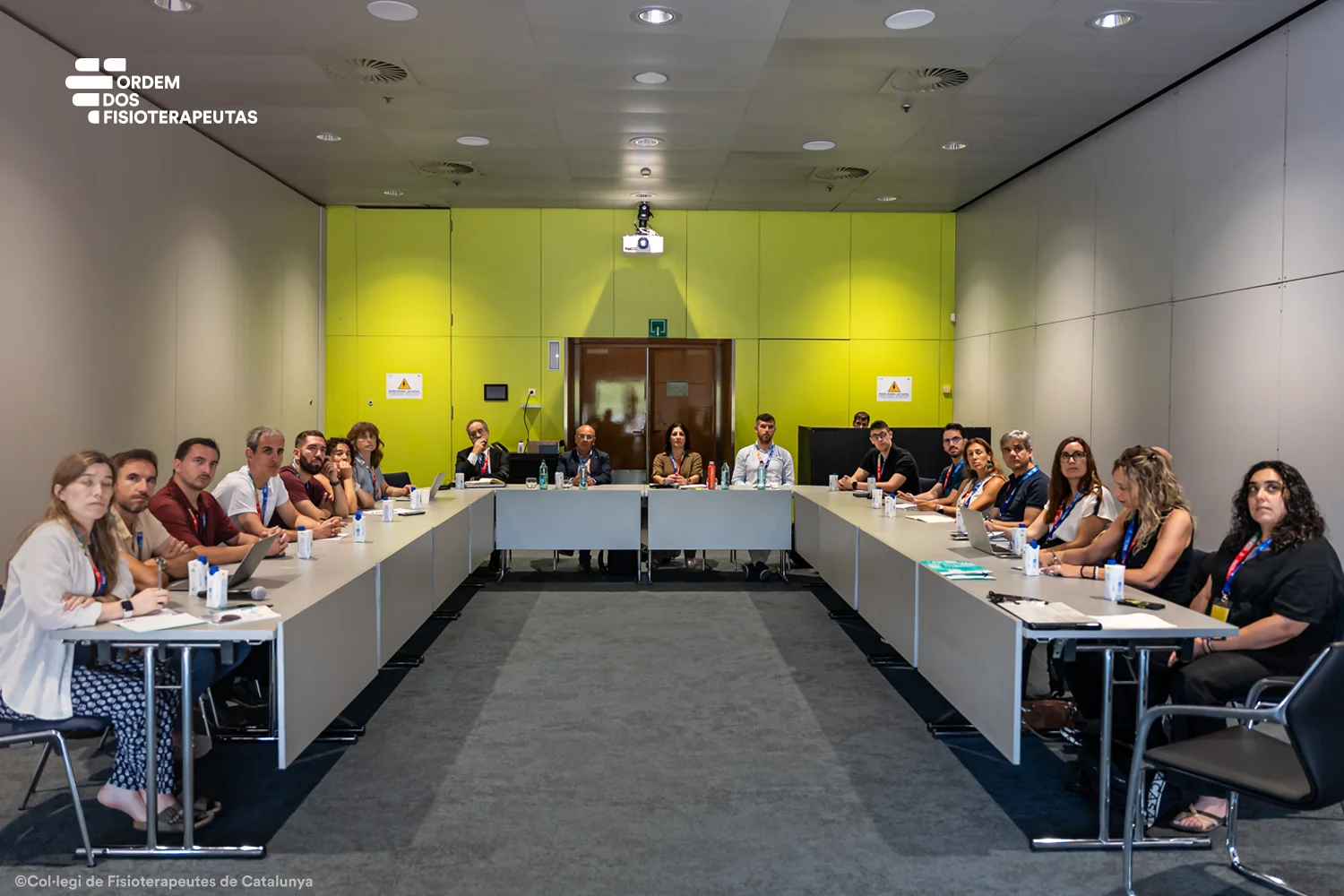
Participation in FTP26 also included an institutional meeting between Ordre MK, the Portuguese Physiotherapists’ Association and the General Council of Professional Associations, aimed at identifying potential areas for cooperation and joint work between organisations representing and regulating the physiotherapy profession.

The Order’s presence at this congress reinforces the involvement of the Portuguese physiotherapy profession in the European debate on the development, regulation and future of the profession, as well as deepening institutional collaboration with counterpart organisations.

Have you completed your Bachelor’s degree in Physiotherapy? The next step is to register with the Professional Body

The Portuguese Physiotherapists’ Association has updated the information to assist with the registration process, bringing together, in a single page, a step-by-step guide, the Frequently Asked Questions (FAQs) and the relevant regulations – Registration Regulations e Fees and Dues Regulations -, to make this transition easier for those who have completed their Bachelor’s degree in Physiotherapy and are preparing to start practising professionally. 
For those who have completed their Bachelor’s degree in Physiotherapy and are preparing to embark on their career, registering with the Physiotherapists’ Association is the next step. 
With the aim of making this process clearer and more accessible, the Bar Association provides, in a structured manner, essential information on accessing the platform, the necessary documentation and how to complete the form. 
The Association recommends that you familiarise yourself with this information before beginning the application process, in order to make it easier to complete the form and submit the necessary documents to become a member of the Association of Physiotherapists.  

Pedro Maciel Barbosa

Specialist physiotherapist at the Matosinhos Local Health Unit Sub-coordinator for Primary Health Care, Matosinhos Local Health Unit Visiting Assistant Professor at the Porto School of Health Member of the Board of Directors of the Foundation for Health - SNS Member of the General Council of the Order of Physiotherapists

Carlos Sand

Carlos Areia has been a physiotherapist since 2013, and has worked in various hospitals, clinics and clubs in both Portugal and the UK. He began his academic career at Oxford University in 2016, where he led a clinical trial comparing physiotherapy vs surgery in anterior cruciate injuries in 32 hospitals in England. In 2018 she moved to the neurosciences department, where she developed her own studies on remote monitoring of vital signs, which were implemented during the pandemic. Here he discovered his passion for data, and in 2022, he joined Digital Science as a Data Scientist. He completed his PhD earlier this year, and has more than 60 publications in journals such as The Lancet, BMJ, Cochrane, among others. He is also an honorary lecturer at Oxford Brookes University and a consultant in clinical research.

Eduardo José Brazete Carvalho Cruz

PhD in Physiotherapy from the University of Brighton, UK. Post-Doctorate in Epidemiology from the National School of Public Health at the New University of Lisbon.
Coordinator of the Studies and Planning Office of the Order of Physiotherapists. Coordinating Professor of the Physiotherapy Department of the School of Health of the Polytechnic Institute of Setúbal (ESS-IPS). President of the ESS-IPS Technical-Scientific Council. Coordinator of the Physiotherapy Department at ESS-IPS. Integrated Researcher at the Comprehensive Health Research Centre (CHRC) (a partnership between FCM-UNL, the National School of Public Health, the University of Évora, the Lisbon Institute of Global Mental Health and Santo Espírito Hospital, Terceira Island, Azores).

Sara Souto Miranda

Sara Souto Miranda has a bachelor's and master's degree in physiotherapy from the University of Aveiro, and a postgraduate qualification in adult respiratory physiotherapy from the same institution. In 2023 she completed her double doctorate in Rehabilitation Sciences/Health, Medicine and Life Sciences at the Universities of Aveiro and Maastricht (Netherlands) and is currently working as a technical-scientific advisor to the Studies and Planning Office (GEP) of the Order of Physiotherapists, and as a guest lecturer at the Piaget Institute in Vila Nova de Gaia. As a member of the Respiratory Research and Rehabilitation Laboratory at the University of Aveiro (Lab3R), she has carried out applied research in which she has assessed and treated patients with respiratory pathology, having taken part in 6 research projects. Throughout her career she has published 19 scientific articles in international peer-reviewed journals with an impact factor, 1 book chapter and more than 50 abstracts in conference proceedings. She was a research volunteer at the Ciro rehabilitation centre (Centre for expertise in chronic organ failure) in the Netherlands, and is currently a member of the Guideline Methodology Network of European Respiratory Society. She was honoured by European Lung Foundation e European Respiratory Society for carrying out patient-centred research, by the Directorate General for Higher Education with a merit grant for his master's degree, and by the Ciro Centre with a grant to support research abroad.

This site uses cookies to enable a better user experience.
By browsing the site you are consenting to its use.