The Portuguese Physiotherapists’ Association takes part in the 1st Physiotherapy Conference at ULS Algarve

Ordem dos Fisioterapeutas presente nas I Jornadas de Fisioterapia da ULS Algarve

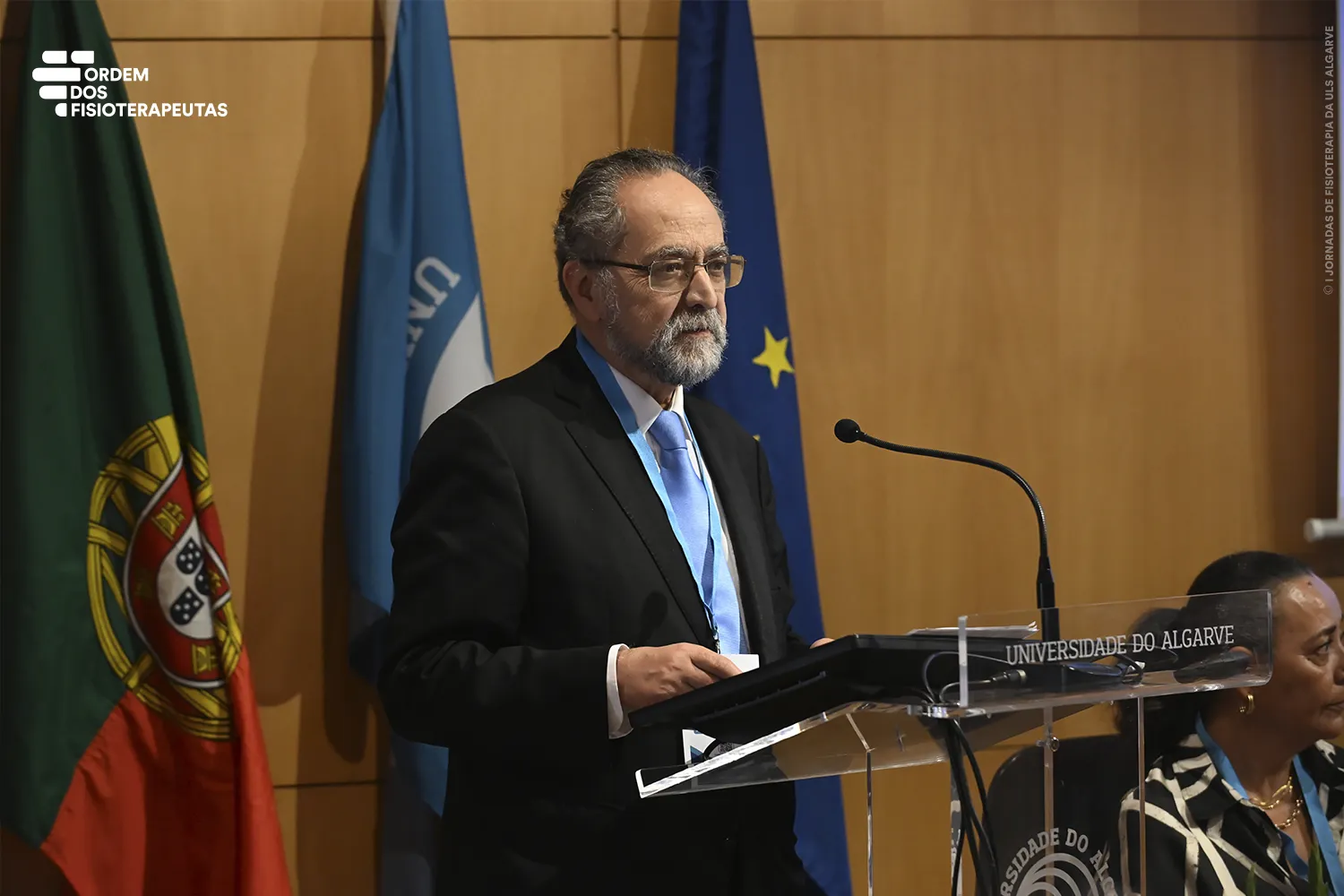
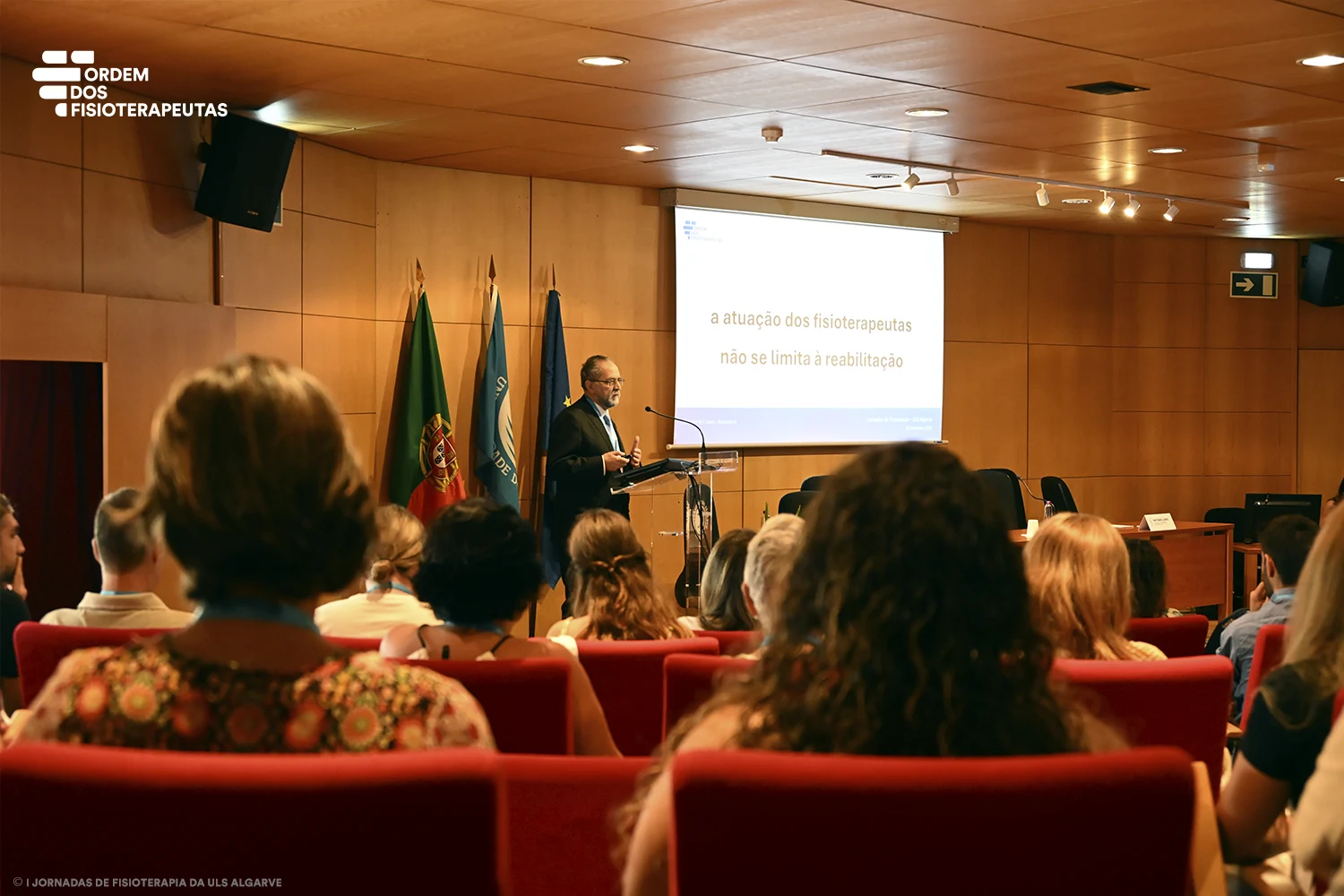
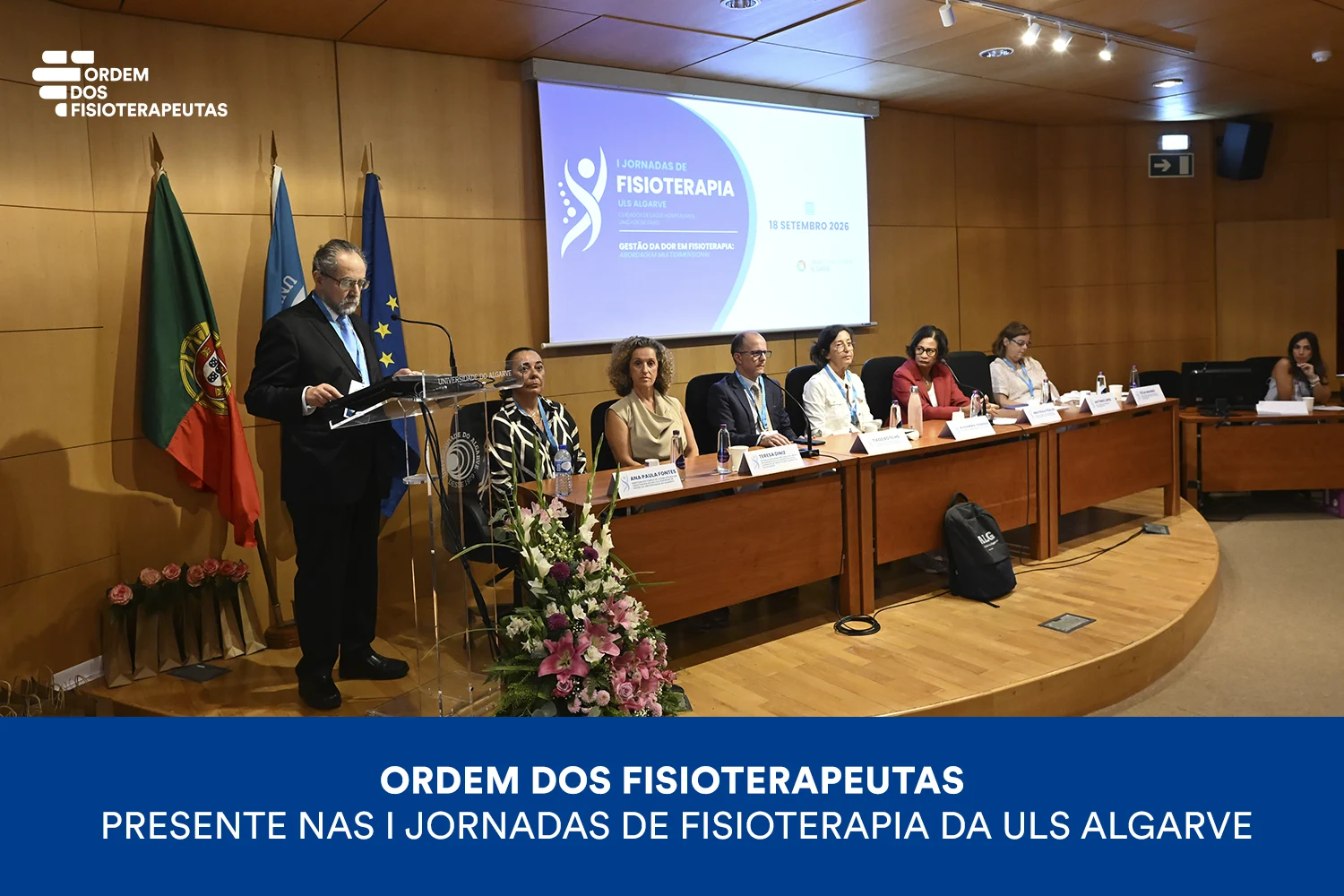
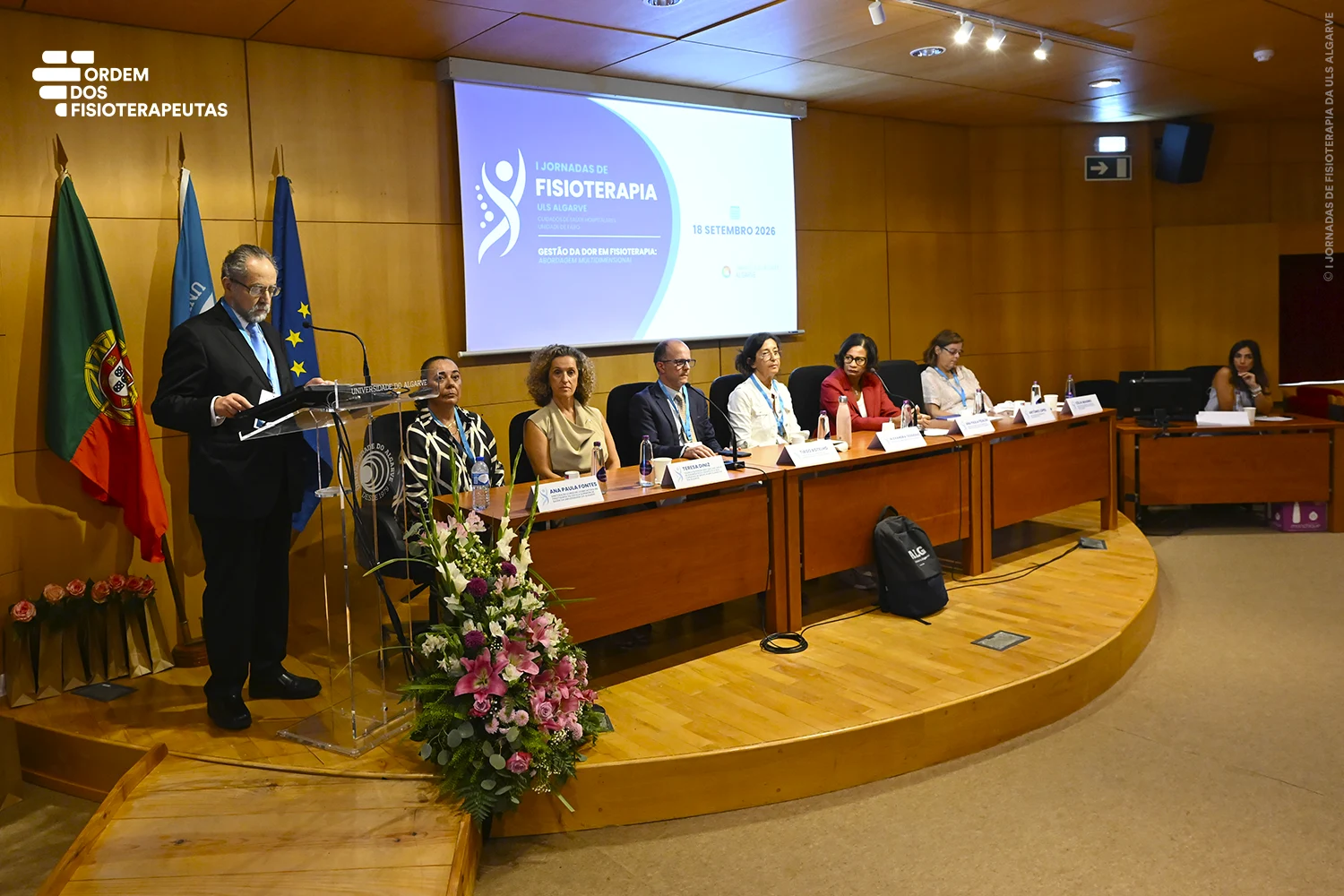
The Portuguese Physiotherapists’ Association took part in the 1st Physiotherapy Conference organised by the Algarve Local Health Unit — Hospital Care, held on 18 September in the Penha Campus Auditorium at the University of the Algarve, in Faro.


Under the theme “Pain Management in Physiotherapy — A Multidimensional Approach”, the conference brought together healthcare professionals from different fields, promoting scientific updates and reflection on the approach to pain from a multidimensional, person-centred perspective, based on the principles of physiotherapy.


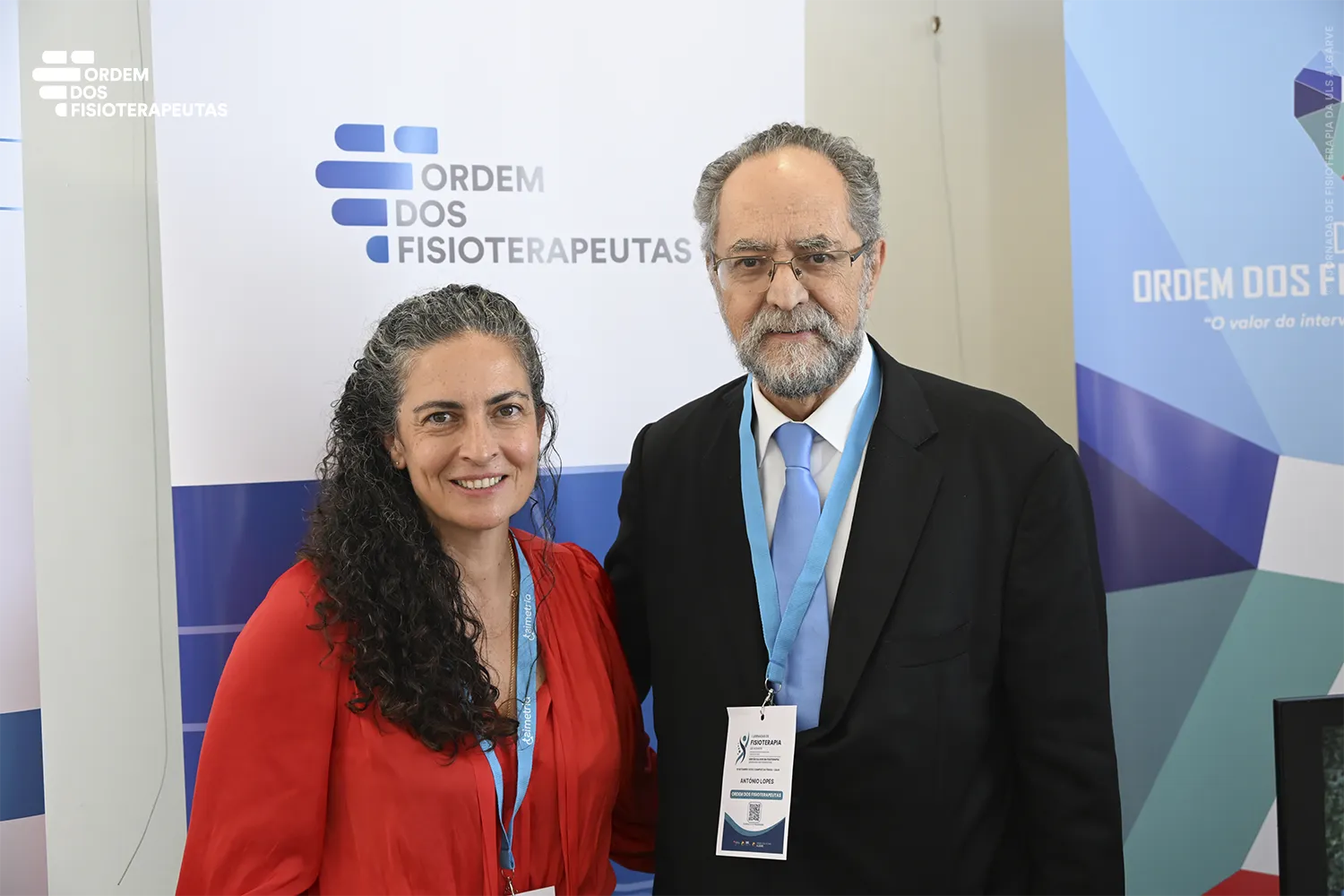
The President of the Portuguese Physiotherapists’ Association, António Lopes, attended the opening session and delivered the event’s inaugural lecture, helping to give institutional recognition to this occasion for scientific and clinical exchange and to reinforce the importance of physiotherapy in addressing the challenges posed by acute and chronic pain.

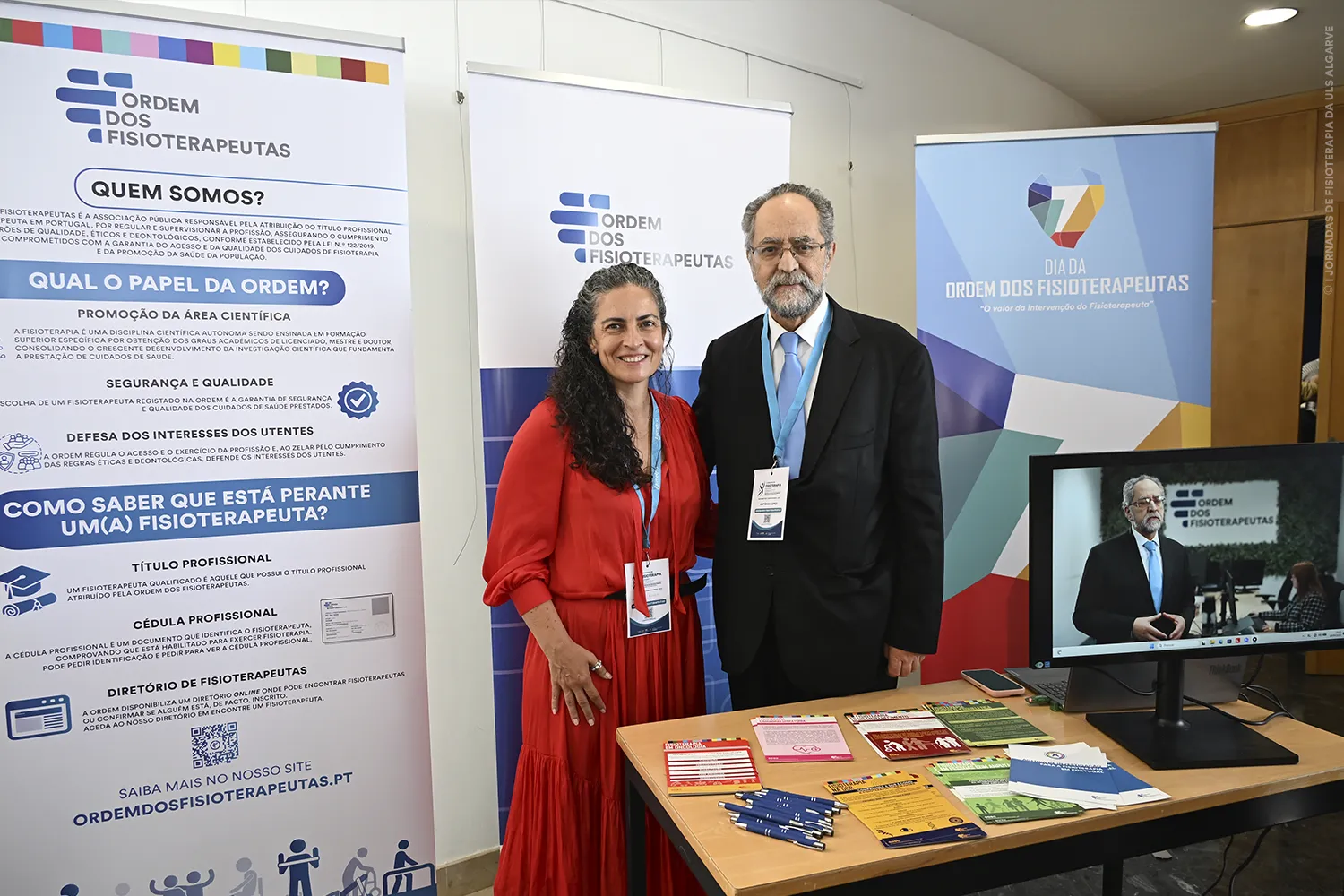
The Association was also represented by Sandra Alves, Chair of the Southern Regional Board, and had an institutional stand at the event, reinforcing its close ties with the physiotherapists, participants and organisations in attendance.


The conference programme featured a range of thematic panels focusing on musculoskeletal pain, chronic pain, pain management in paediatrics and pelvic health, the neurophysiology of pain, and innovation in assessment and intervention in physiotherapy, culminating in a closing session on the theme “Rethinking pain: myths, evidence and current challenges”.

The Portuguese Physiotherapists’ Association takes part in the 1st Physiotherapy Conference at the Tâmega e Sousa Local Health Unit

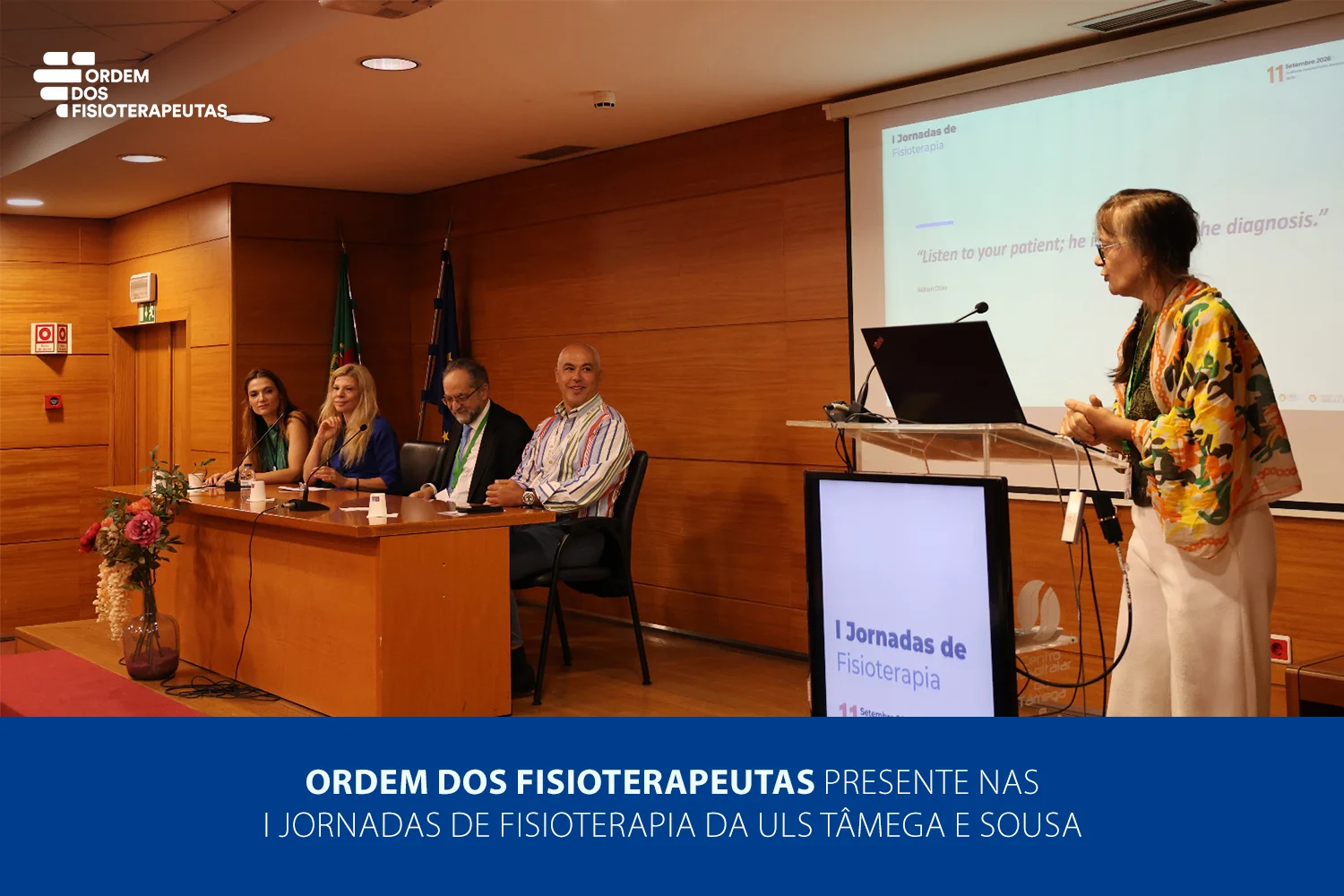
The Portuguese Physiotherapists’ Association was present on 11 September at the 1st Physiotherapy Conference of the ULS Tâmega e Sousa, held in the auditorium of Padre Américo Hospital.

The initiative brought together physiotherapists, students and other professionals to discuss the latest scientific developments, share experiences and reflect on the future of the profession, covering topics such as chronic pain, rehabilitation in intensive care and palliative care, sports physiotherapy and the application of artificial intelligence to physiotherapy.

The President of the Portuguese Physiotherapists’ Association, António Lopes, took part in the conference, emphasising the Association’s close institutional ties with physiotherapists and healthcare institutions.

The meeting also provided an opportunity to examine the challenges facing the development of the profession and to reaffirm the Order’s commitment to dialogue and institutional collaboration.  


World Physiotherapy honours Isabel Souza Guerra amongst 75 leading physiotherapists

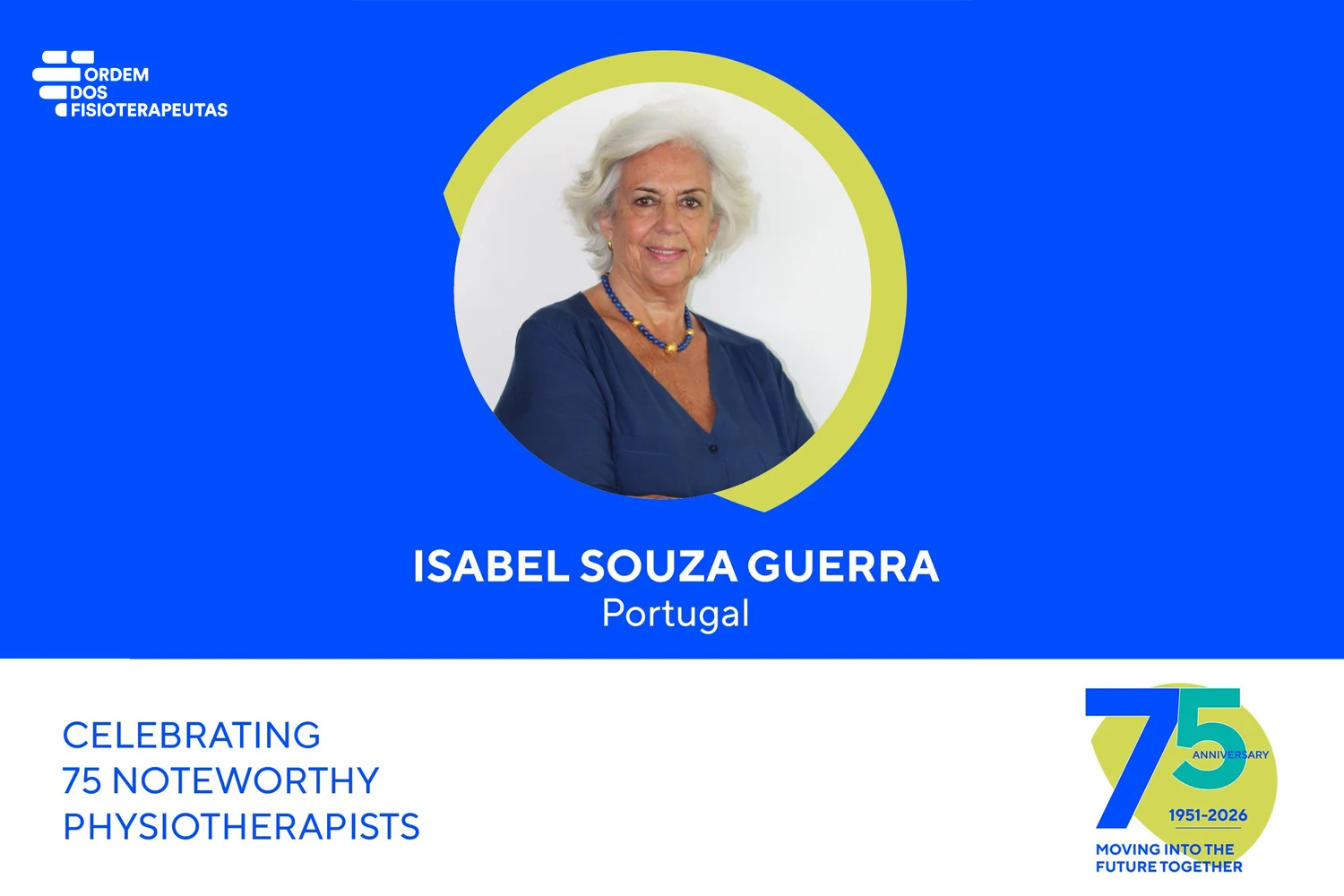
As part of the celebrations to mark its 75th anniversary, World Physiotherapy has honoured Isabel Souza Guerra as one of the 75 leading figures in physiotherapy recognised for their contribution to the profession.

The initiative “75 notable physiotherapists” It honours physiotherapists who have distinguished themselves through their contribution to the development and promotion of the profession. The 75 names are being announced individually by World Physiotherapy since 10 September.

Throughout her career, Isabel Souza Guerra has combined her clinical and academic work with a career in professional leadership, maintaining – as highlighted by World Physiotherapy – an ongoing commitment to excellence and quality of care, the teaching of physiotherapy, and the recognition and development of the profession in Portugal. The international organisation also highlights the nearly 20 years she devoted to the process of establishing the Portuguese Physiotherapists’ Association.

The award forms part of the celebrations marking the 75th anniversary of World Physiotherapy. Once the names of the 75 honourees have been announced, a commemorative edition will also be published, dedicated to their careers and contributions to physiotherapy.

Find out more HERE the 75 physiotherapists recognised by World Physiotherapy.

Safety in Physiotherapy Care for Non-Communicable Diseases: A Shared Responsibility

segurança do doente 2026

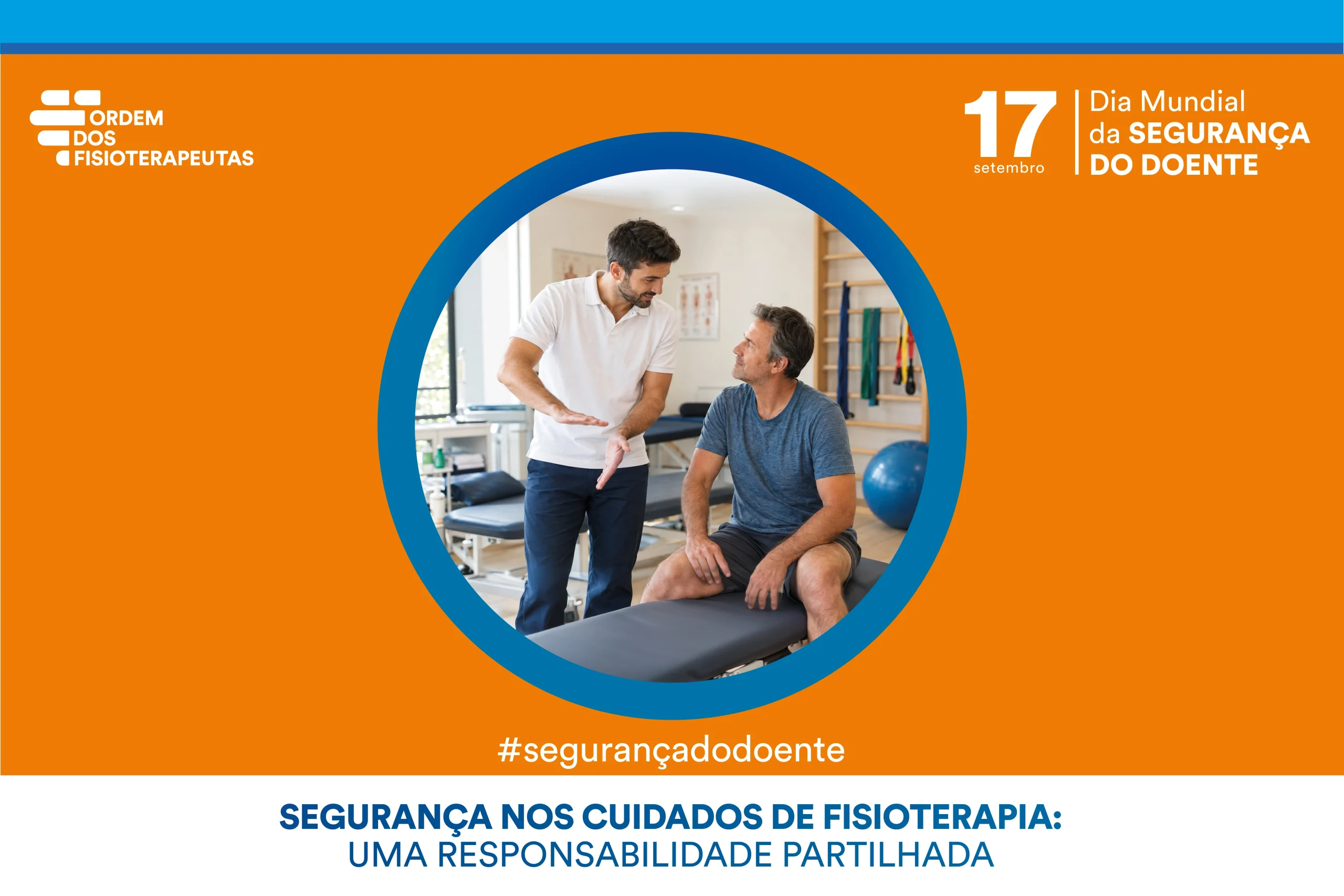
17 September marks World Patient Safety Day, which in 2026 is dedicated to the theme set by the World Health Organisation: “Safe care for non-communicable diseases”, under the slogan “Safe care for life!” (“Safe care for life”). The campaign highlights the need to ensure safe care throughout the entire journey of people living with non-communicable diseases, from prevention to diagnosis, intervention, rehabilitation and self-care.

Cardiovascular diseases, cancer, diabetes, chronic respiratory diseases and other non-communicable diseases require long-term management and often involve different healthcare professionals and levels of care. In this context, preventing avoidable harm means placing the individual at the centre of care, fostering a genuine partnership between healthcare professionals, patients and carers.

The Portuguese Physiotherapists’ Association is joining this international campaign, promoting a culture of safety in which everyone plays an active part in developing safer physiotherapy care that is centred on their needs.

Physiotherapists support people with chronic conditions over a period of months or years, promoting functionality, independence, social participation and quality of life. Every clinical assessment, every therapeutic decision, every prescribed exercise and every intervention must be underpinned by the principles of patient safety, evidence-based practice, and risk assessment and management. This contributes to more effective, safer and higher-quality care.

In physiotherapy, safety doesn’t end when the session is over.

Adherence to the physiotherapy programme, carrying out the prescribed exercises, understanding the objectives, and actively participating in clinical decisions are key to achieving better results and reducing avoidable risks.

When a person stops a physiotherapy programme prematurely, fails to follow the agreed plan or fails to incorporate the advice they have been given into their daily life, it is not just the effectiveness of the treatment that is at stake. The safety of physiotherapy treatment may also be at stake.

Promoting adherence to the physiotherapy programme means communicating more effectively, improving health literacy, involving patients and, where applicable, carers and family members, and building a relationship of trust that fosters shared, sustainable and informed decision-making.

It is through this commitment that physiotherapy makes a difference: by recognising each person as an active and central part of their physiotherapy process and by encouraging their involvement, keeping them informed and empowering them to manage their own health condition.

On this World Patient Safety Day, the Portuguese Physiotherapists’ Association emphasises that safe care is also achieved through the active participation of the patient, shared decision-making and partnership between physiotherapists, patients, carers and family members.

More participation. More involvement. More security.

Safe physiotherapy care for non-communicable diseases

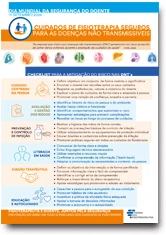
As part of this initiative, the Portuguese Physiotherapists’ Association is offering a Checklist to risk mitigation in relation to non-communicable diseases, which brings together recommendations on person-centred care, health literacy, risk assessment and management, infection prevention and control, adherence, and self-care education. An awareness-raising video is also available, highlighting some of the key messages relating to the promotion of safer physiotherapy care.
Learn more

To find out more about patient safety, please also see:

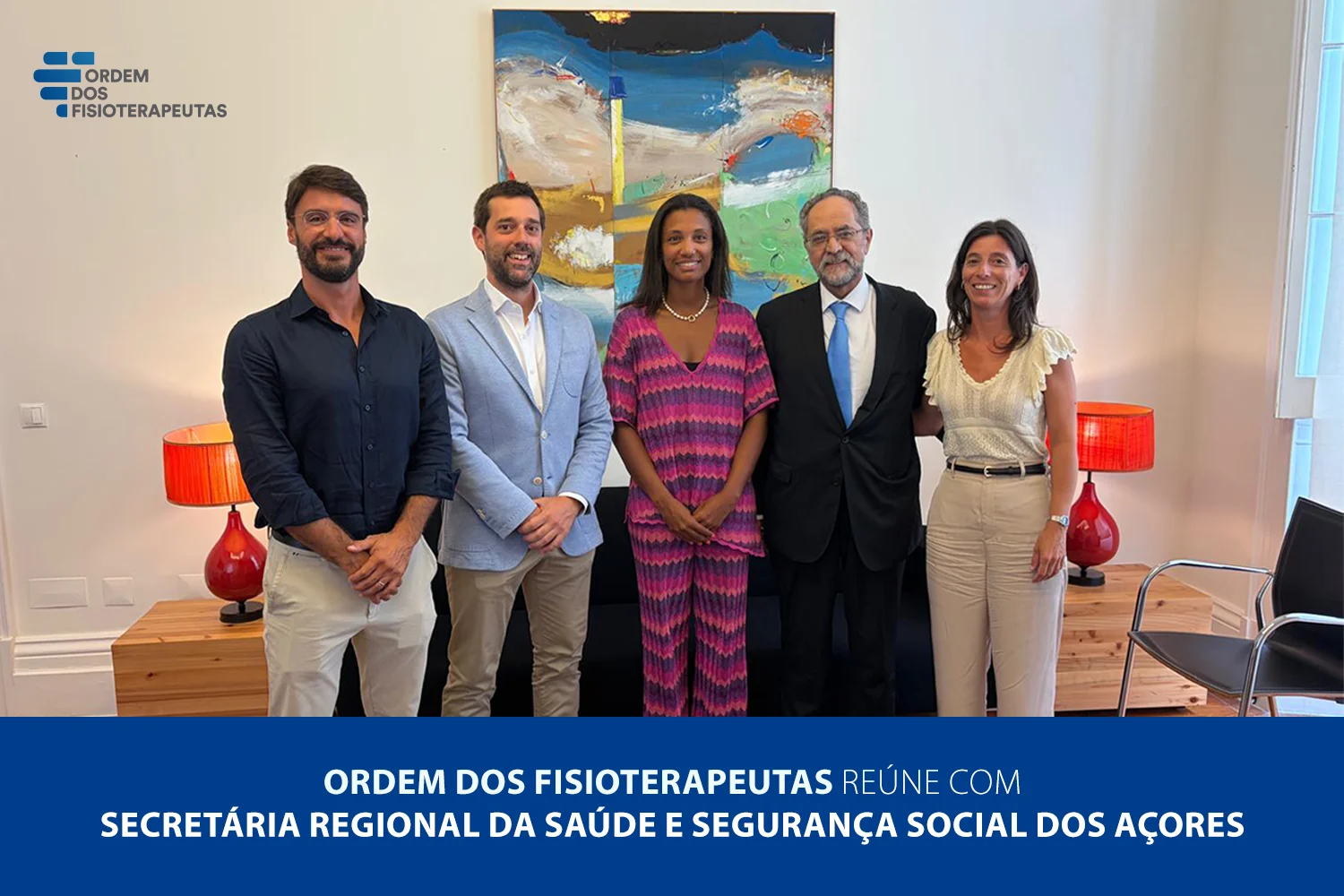
The Portuguese Physiotherapists’ Association meets with the Regional Secretary for Health and Social Security of the Azores

The Portuguese Physiotherapists’ Association met this Wednesday with the Regional Secretary for Health and Social Security of the Azores, to mark the start of a new term of office for the Association’s governing bodies and their respective regional branches.

The meeting provided an opportunity to exchange institutional greetings and to discuss prospects for collaboration in the development of physiotherapy in the Autonomous Region of the Azores, with a particular focus on the regulation, organisation and access to the profession within the Regional Health System.

Among the topics discussed was the possibility of setting up a working group involving the various organisations, with the aim of analysing the current model, identifying needs and developing proposals that would help to enhance the skills and autonomy of physiotherapists and ensure a more efficient and accessible response to the needs of the population.

The meeting reaffirmed the willingness to deepen institutional dialogue and to work together in a way that is tailored to regional circumstances.

World Pregnant Women’s Day 2026: the contribution of physiotherapy throughout the perinatal cycle

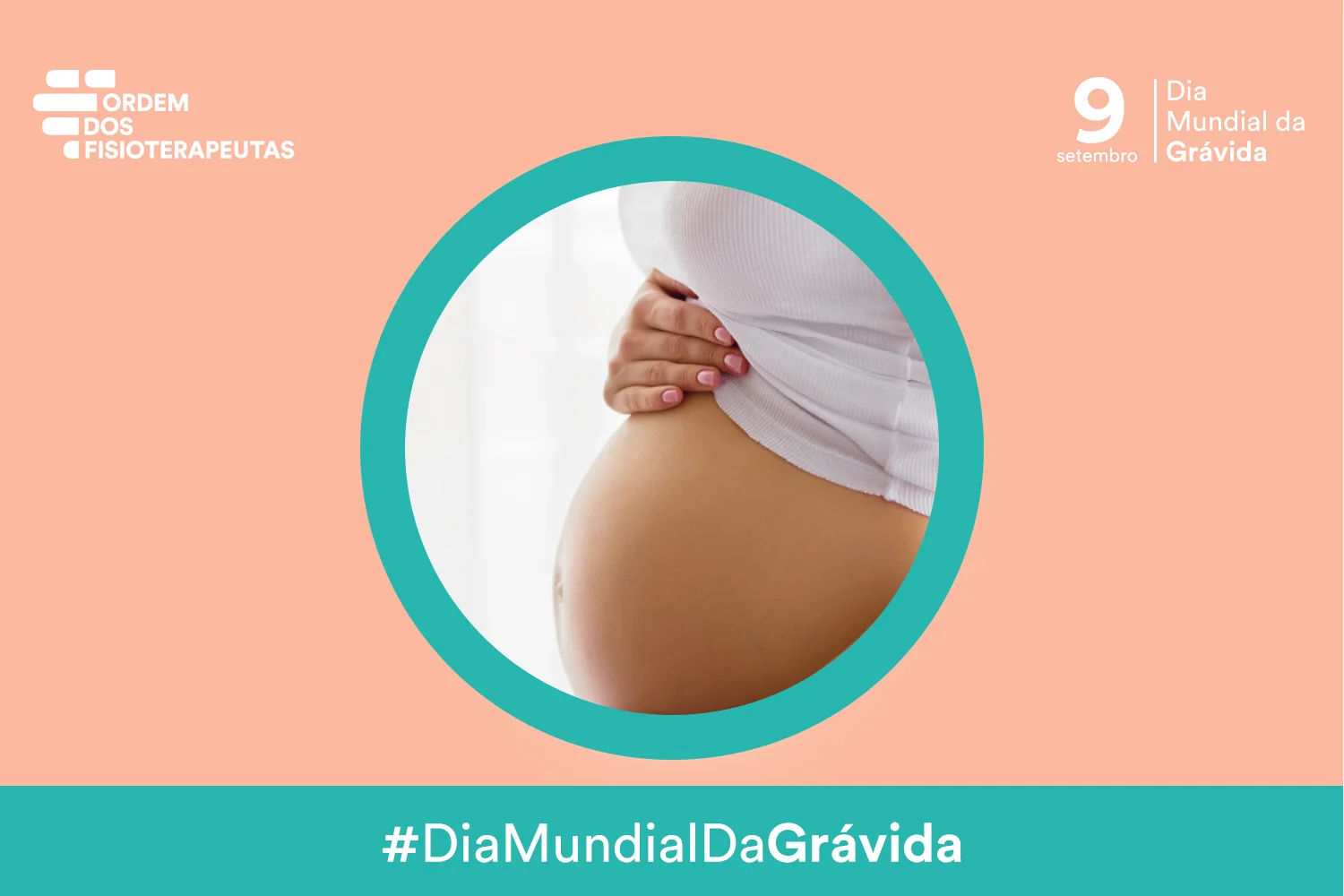
Today, 9 September, marks World Pregnant Women’s Day, a day that celebrates motherhood and emphasises the importance of ensuring high-quality healthcare throughout pregnancy and the postnatal period.

Physiotherapy specialising in pelvic and women’s health can play a significant role in this journey, helping to improve quality of life, prevent complications, support functional recovery and address the various needs associated with the perinatal period.

During pregnancy, physiotherapists can assess a woman’s physical condition, prescribe appropriate exercise, advise on strategies for managing and reducing pain, and support her in preparing for the different stages of pregnancy and for childbirth. In the postnatal period, intervention can contribute to physical recovery, pelvic floor function, a return to everyday activities and other specific needs during this phase.

Physiotherapy can also help to promote independence, health literacy and a more active role for women in decisions relating to their health and wellbeing.

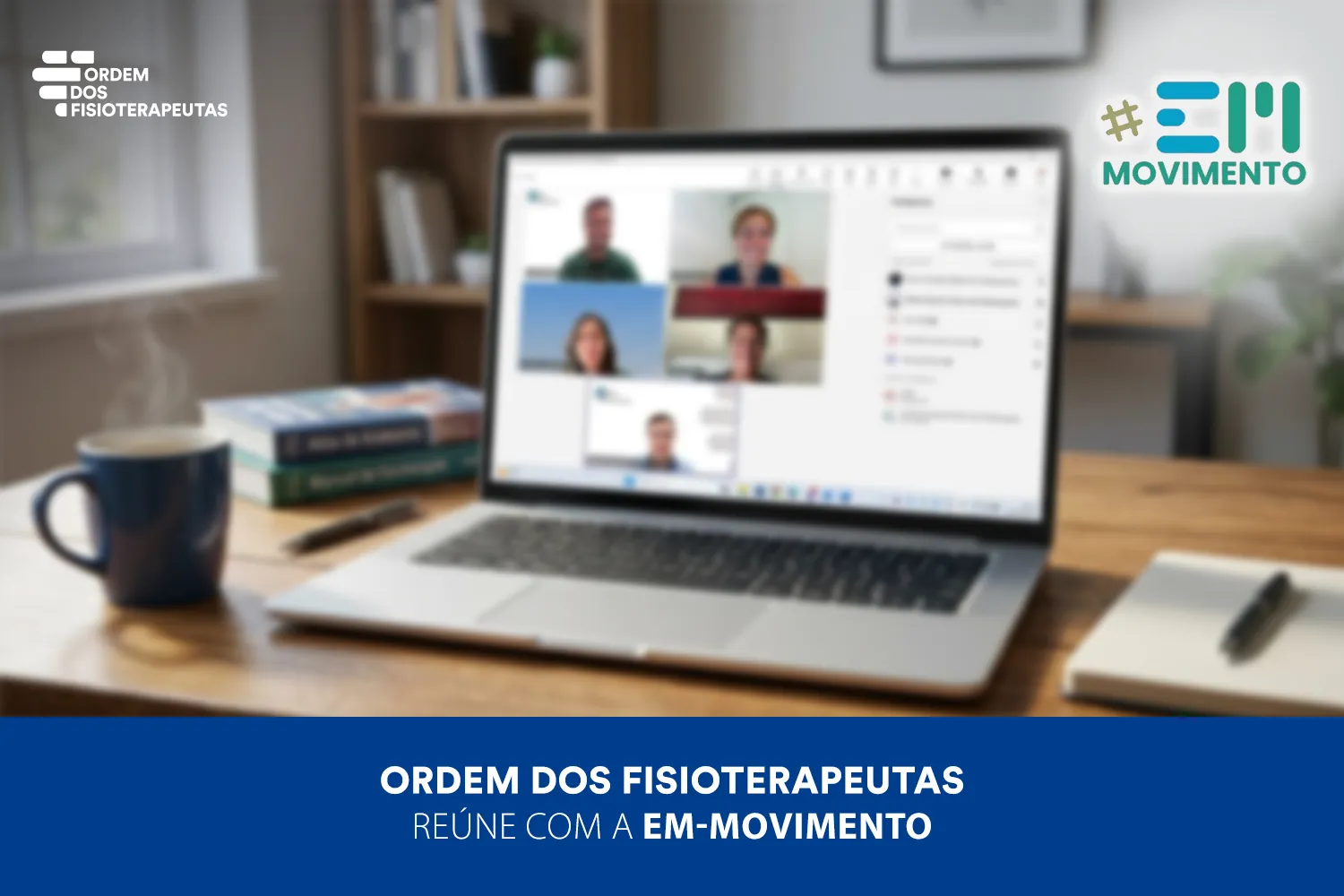
Ordem dos Fisioterapeutas reúne com a EM-Movimento

A Ordem dos Fisioterapeutas reuniu, no dia 8 de setembro, com a EM-Movimento — Associação Portuguesa para a Encefalomielite Miálgica/Síndrome de Fadiga Crónica, numa reunião dedicada à apresentação da associação e à identificação de possíveis áreas de colaboração.

A EM-Movimento teve oportunidade de apresentar a sua missão, visão e principais objetivos, bem como o trabalho desenvolvido na defesa e promoção dos direitos e da qualidade de vida das pessoas com Encefalomielite Miálgica/Síndrome de Fadiga Crónica.

A reunião permitiu ainda abordar o papel da associação na sensibilização para esta doença, na divulgação de informação científica e clínica adequada e na promoção de uma maior compreensão das necessidades específicas das pessoas com EM/SFC.

Em representação da EM-Movimento participaram Manuela Santos, Presidente da Direção, Ana Ferreira, Tesoureira da Direção, e Ana Leite, associada da EM-Movimento. Em representação da Ordem dos Fisioterapeutas estiveram presentes Afonso Neutel, Vogal da Direção, e Daniel Moedas, do Gabinete de Apoio ao Membro.

A Ordem dos Fisioterapeutas valoriza estes momentos de diálogo institucional, que permitem aprofundar o conhecimento sobre diferentes realidades de saúde e identificar oportunidades de colaboração com entidades da sociedade civil.

World Physiotherapy Day 2026: prevention, care and recovery through movement

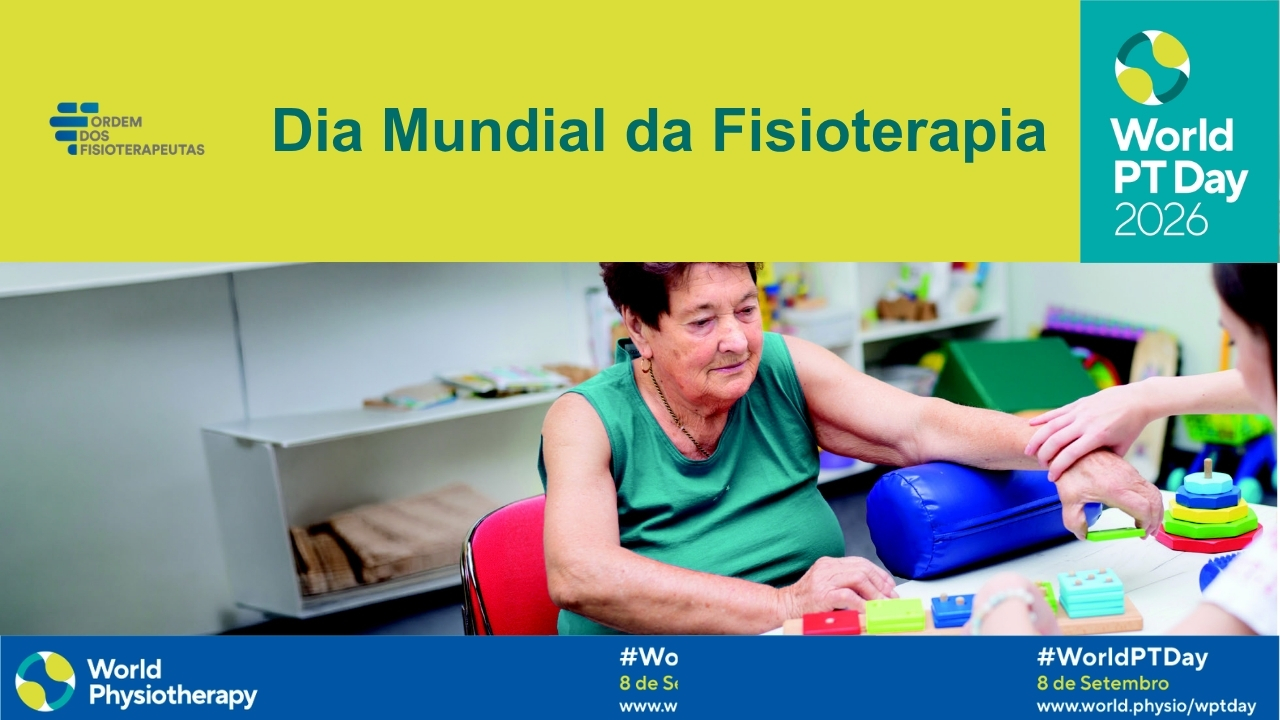
Today, 8 September, marks World Physiotherapy Day. In 2026, the World Physiotherapy campaign will focus on the role of physiotherapy and physical activity in the prevention, management and rehabilitation of cardiovascular disease and stroke.

Cardiovascular disease remains the leading cause of death worldwide, accounting for more than 20.5 million deaths a year. Stroke affects 1 in 4 people at some point in their lives, although a significant proportion of the risk can be prevented by adopting healthier lifestyles and reducing risk factors.

In this context, it is important to emphasise that physiotherapy does not merely intervene after an illness has occurred. Physiotherapists help to identify and reduce risk factors, combat a sedentary lifestyle, promote physical activity and prescribe safe, personalised exercise programmes. When a cardiovascular event or stroke occurs, they also play a key role in restoring mobility, functional ability, independence and participation.

Physiotherapy therefore supports the entire process, from prevention to rehabilitation, playing a key role in promoting health and improving people’s quality of life. This year’s campaign also provides an opportunity to emphasise the importance of integrating this intervention in a timely and ongoing manner across the different levels of care. See also the dedicated page World Physiotherapy Day 2026, where the official campaign materials, translated into Portuguese, are available.

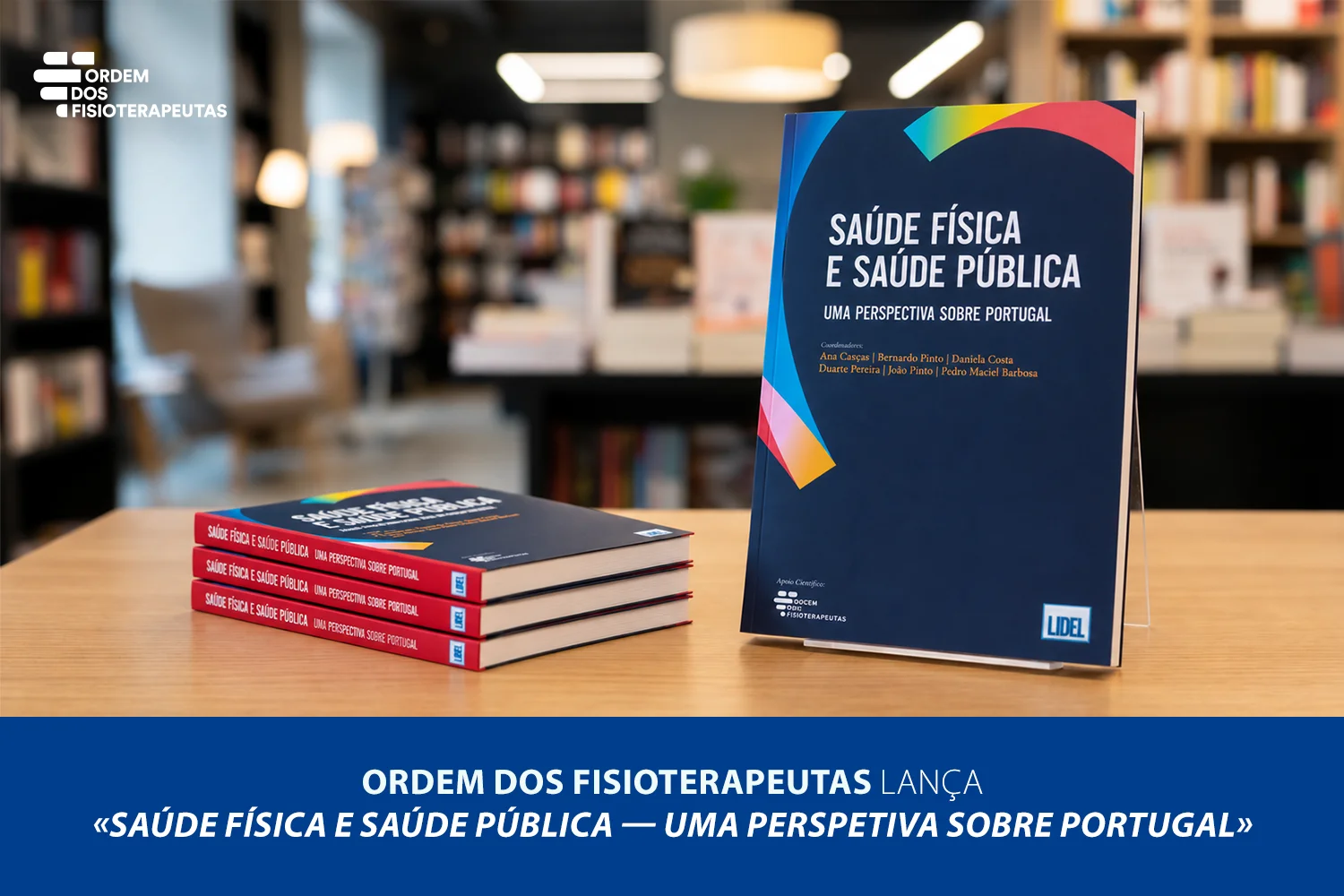
The Portuguese Physiotherapists« Association launches »Physical Health and Public Health — A Perspective on Portugal’

As part of the celebrations for the Order’s Day, the Portuguese Order of Physiotherapists, in collaboration with Lidel, is organising the launch of the book «Physical Health and Public Health — A Perspective on Portugal».

The session will take place on 29 September, at 6.30 pm, at FNAC Chiado, in Lisbon.

The book aims to bring public health – often perceived as a theoretical field that is difficult to apply in practice – closer to everyday reality, making it more accessible and understandable.

Taking an integrative approach that fosters dialogue between physiotherapists and public health professionals, this publication offers a conceptual and practical reflection on the challenges and needs relating to physical health in Portugal. Each chapter begins with a specific scenario and explores the relevant topic through the contributions of public health professionals and physiotherapists.

Presented as a white paper, the publication addresses the determinants of physical health, the burden of disease and morbidity, physical activity and health promotion, universal coverage and equity in access to care, physical health policies and health literacy.

At the launch of the publication, the President of the Portuguese Physiotherapists« Association, António Lopes, emphasised that »this work, which focuses on the public health perspective, represents a significant contribution towards repositioning and raising the profile of physiotherapy and physiotherapists within healthcare settings’.

This book marks the launch of a new series that the Portuguese Physiotherapists’ Association intends to develop, in partnership with Lidel, through the publication of further works devoted to physiotherapy and topics relevant to health. The initiative aims to strengthen the Order’s role in the production and dissemination of knowledge, contributing to professional reflection and debate within the health sector.

The project was co-ordinated by Ana Casaca, Bernardo Pinto, Daniela Costa, Duarte Pereira, João Pinto and Pedro Maciel Barbosa. The foreword was written by Constantino Sakellarides, Emeritus Professor at the National School of Public Health, NOVA University Lisbon.

This publication is aimed at physiotherapists, students and other professionals and those with an interest in the field.

The panellists and the full programme for the session will be announced shortly.

Pedro Maciel Barbosa

Specialist physiotherapist at the Matosinhos Local Health Unit Sub-coordinator for Primary Health Care, Matosinhos Local Health Unit Visiting Assistant Professor at the Porto School of Health Member of the Board of Directors of the Foundation for Health - SNS Member of the General Council of the Order of Physiotherapists

Carlos Sand

Carlos Areia has been a physiotherapist since 2013, and has worked in various hospitals, clinics and clubs in both Portugal and the UK. He began his academic career at Oxford University in 2016, where he led a clinical trial comparing physiotherapy vs surgery in anterior cruciate injuries in 32 hospitals in England. In 2018 she moved to the neurosciences department, where she developed her own studies on remote monitoring of vital signs, which were implemented during the pandemic. Here he discovered his passion for data, and in 2022, he joined Digital Science as a Data Scientist. He completed his PhD earlier this year, and has more than 60 publications in journals such as The Lancet, BMJ, Cochrane, among others. He is also an honorary lecturer at Oxford Brookes University and a consultant in clinical research.

Eduardo José Brazete Carvalho Cruz

PhD in Physiotherapy from the University of Brighton, UK. Post-Doctorate in Epidemiology from the National School of Public Health at the New University of Lisbon.
Coordinator of the Studies and Planning Office of the Order of Physiotherapists. Coordinating Professor of the Physiotherapy Department of the School of Health of the Polytechnic Institute of Setúbal (ESS-IPS). President of the ESS-IPS Technical-Scientific Council. Coordinator of the Physiotherapy Department at ESS-IPS. Integrated Researcher at the Comprehensive Health Research Centre (CHRC) (a partnership between FCM-UNL, the National School of Public Health, the University of Évora, the Lisbon Institute of Global Mental Health and Santo Espírito Hospital, Terceira Island, Azores).

Sara Souto Miranda

Sara Souto Miranda has a bachelor's and master's degree in physiotherapy from the University of Aveiro, and a postgraduate qualification in adult respiratory physiotherapy from the same institution. In 2023 she completed her double doctorate in Rehabilitation Sciences/Health, Medicine and Life Sciences at the Universities of Aveiro and Maastricht (Netherlands) and is currently working as a technical-scientific advisor to the Studies and Planning Office (GEP) of the Order of Physiotherapists, and as a guest lecturer at the Piaget Institute in Vila Nova de Gaia. As a member of the Respiratory Research and Rehabilitation Laboratory at the University of Aveiro (Lab3R), she has carried out applied research in which she has assessed and treated patients with respiratory pathology, having taken part in 6 research projects. Throughout her career she has published 19 scientific articles in international peer-reviewed journals with an impact factor, 1 book chapter and more than 50 abstracts in conference proceedings. She was a research volunteer at the Ciro rehabilitation centre (Centre for expertise in chronic organ failure) in the Netherlands, and is currently a member of the Guideline Methodology Network of European Respiratory Society. She was honoured by European Lung Foundation e European Respiratory Society for carrying out patient-centred research, by the Directorate General for Higher Education with a merit grant for his master's degree, and by the Ciro Centre with a grant to support research abroad.

This site uses cookies to enable a better user experience.
By browsing the site you are consenting to its use.