
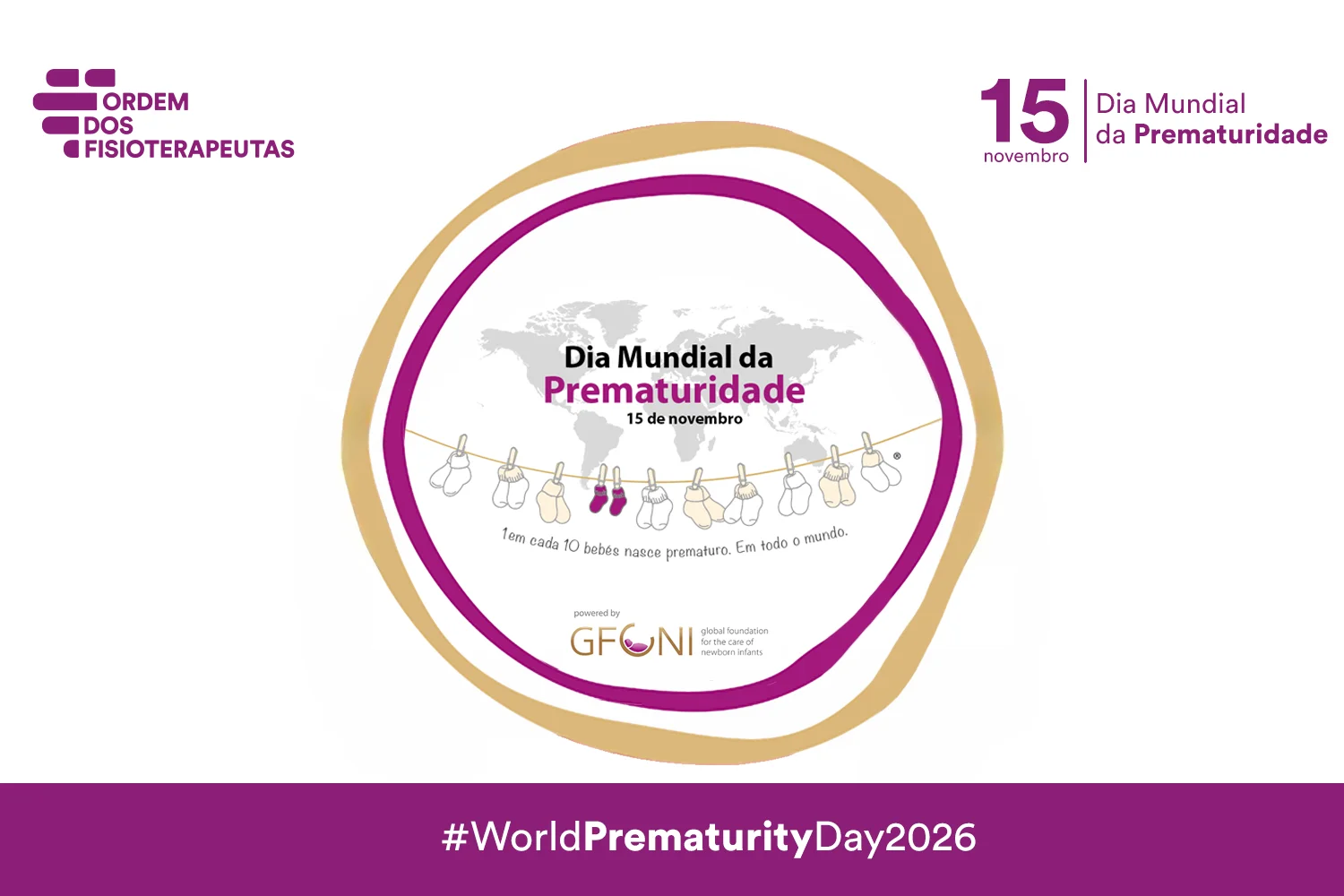
From this year onwards, the World Prematurity Day It is now observed on 15 November, following its inclusion in the World Health Organisation’s calendar of global campaigns.
Observed in over 100 countries, this day aims to raise awareness of the challenges associated with preterm birth and the importance of ensuring appropriate care and support for babies and their families.
In 2026, under the slogan “Small babies, big potential. Invest in follow-up care to protect their future!”, the international campaign places particular emphasis on the importance of continuity of care following discharge from neonatal units. Follow-up care may include developmental assessment, education and support for families, community-based follow-up and access to specialist care, in accordance with the needs of each baby and family.
Every year, thousands of babies are born before 37 weeks’ gestation, at a time when their bodies – and particularly their nervous systems – are still in the midst of development. For many of these babies, this early stage of life can present additional challenges in terms of respiratory function, motor and sensory organisation, behavioural regulation and neurological development.
Prematurity can affect motor development, posture, muscle tone, coordination and the acquisition of fundamental skills — such as controlling the head, sitting, crawling or walking. It is in this context that science and clinical practice demonstrate the transformative role of early intervention.
The Importance of Physiotherapy in Neurodevelopment
Brain plasticity in the first few months of life gives the nervous system enormous potential for development, and the brain’s architecture and functional capacities are profoundly shaped by enriching early experiences and responsive interactions.
Family-centred intervention programmes have proven to be highly practical and effective approaches. By empowering parents under specialist guidance — incorporating, for example, multisensory stimulation, baby massage and postural support (such as the kangaroo care method) — these programmes promote significant improvements in motor skills.
The Role of Physiotherapy
Physiotherapy aims to create opportunities for each baby or child to explore their body and their environment, develop skills, gain independence and take part in activities typical of childhood. This intervention must be based on the best available scientific evidence, integrated into an interdisciplinary approach and tailored to the child’s different life contexts.
The family plays a central role in this process. Empowering parents, acknowledging their concerns, building trust and incorporating strategies that support development into daily routines are essential aspects of a child- and family-centred approach.
Every achievement counts
As this year’s international campaign emphasises, support does not end with discharge from hospital. Continuity of care, monitoring of development and coordination between different healthcare professionals and educational and family settings are essential to ensure that the needs of every baby or child are identified and addressed in a timely manner. The family must be recognised as an active partner throughout this journey. Healthy development is built on reliable, supportive relationships, a high degree of guided functional practice and appropriate opportunities for stimulation.
Because every day counts and every achievement matters, physiotherapy is there from the very beginning and throughout a child’s development, helping to turn developmental opportunities into opportunities for participation and a better quality of life.
Caring right from the start. Promoting development. Empowering the future.