
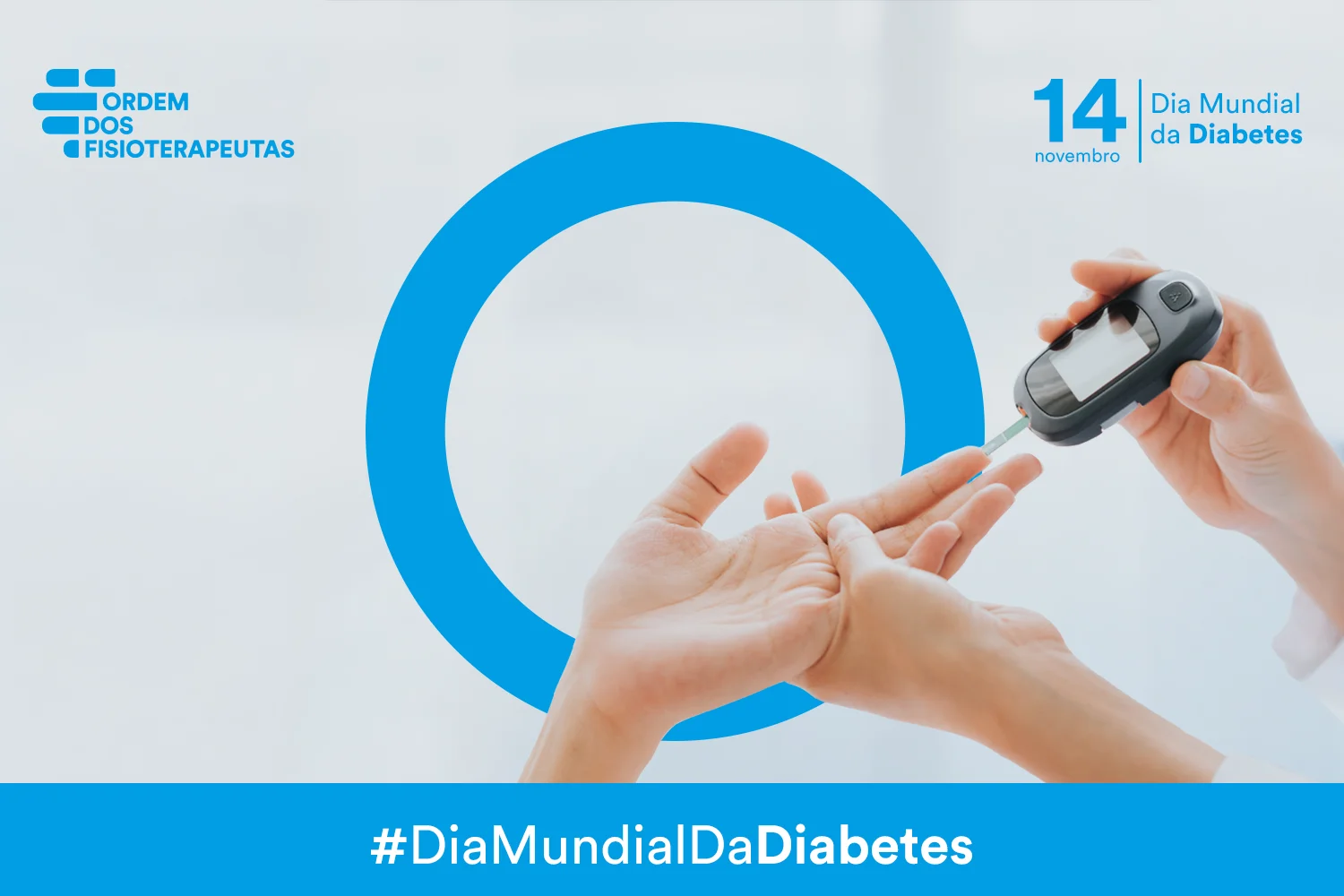
14 November marks the World Diabetes Day, this year under the international theme “Early action on diabetes”, which highlights the importance of early diagnosis, risk reduction and timely access to care.
Diabetes is one of the major public health challenges worldwide. Many people live with the condition undiagnosed and, in some cases, complications are already present by the time type 2 diabetes is diagnosed.
Early intervention involves identifying risk factors, promoting healthy lifestyles, facilitating diagnosis and ensuring appropriate care for people living with diabetes.
The role of physiotherapy
Physical activity and exercise play an important role in the prevention and management of type 2 diabetes. Physiotherapists can help to promote more active lifestyles and to prescribe and adapt exercise programmes to suit each person’s abilities, needs and health conditions.
For people living with diabetes, physiotherapy can also help to maintain or improve functional ability, mobility and independence, as well as prevent or minimise limitations associated with the complications of the condition.
Early intervention is particularly important when changes begin to emerge that could compromise mobility, balance, exercise tolerance or participation in everyday activities.
Diabetes can be associated with serious complications, including vascular and neurological changes, foot problems and, in the most severe cases, amputation. Prevention, monitoring and a timely, multidisciplinary response are essential to reducing the impact of these complications on people’s lives.
On this World Diabetes Day, the Portuguese Physiotherapists’ Association joins in with the international message: Taking early action means investing in health, functionality and quality of life.