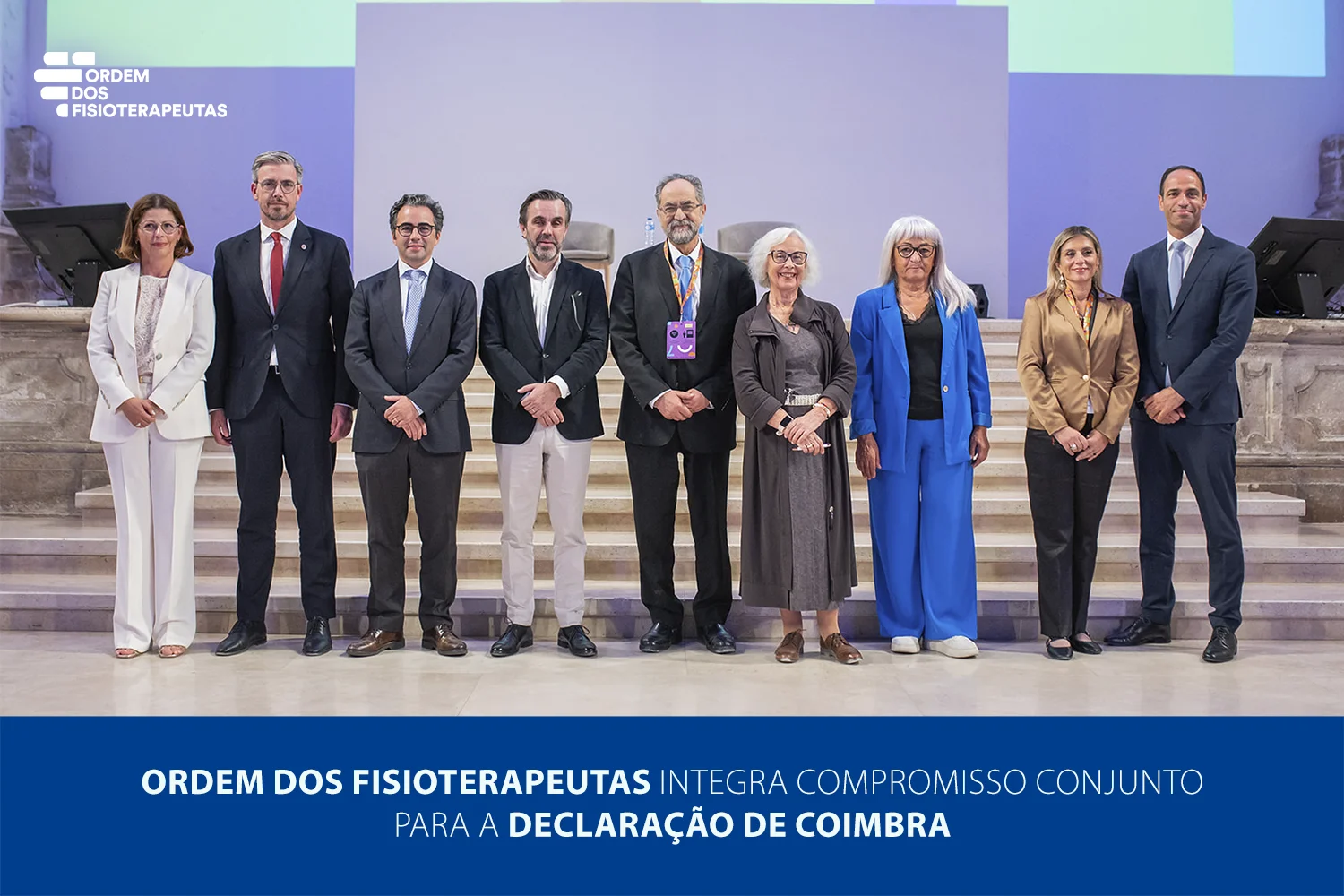
The Portuguese Physiotherapists’ Association has signed up to the joint commitment for the Coimbra Declaration

The Portuguese Physiotherapists’ Association, represented by its President, António Lopes, took part on 9 October in Coimbra in a meeting at which the professional health associations made a joint commitment to The Coimbra 2026 Declaration — The Wellbeing of Health Professionals in the Governance of Health Systems.

This commitment, which will be formalised upon the signing of the Declaration, aims to place the health and wellbeing of healthcare professionals amongst the priorities for governance, quality and sustainability within healthcare organisations and systems.

Organised by the Portuguese Psychologists« Association, with the support of the Coimbra Local Health Unit, the initiative took place as part of the Strategic Forum »Work and Professionals in the Health Sector | Governance, Well-being and Sustainability’, which formed part of the 7th National Congress of the Portuguese Psychologists’ Association.

Held on the eve of World Mental Health Day, which falls on 10 October, the meeting emphasised the importance of creating working conditions that protect the health and wellbeing of professionals, recognising that this responsibility cannot depend solely on each person’s individual ability to cope with the demands of their job.

The Declaration recognises that safeguarding the health and wellbeing of professionals requires a shared responsibility and action to improve their working conditions. To put this vision into practice, it sets out five commitments:

  • To integrate the health of healthcare professionals into governance;
  • To understand, assess and monitor working conditions and the quality of work;
  • Prevention through the organisation and transformation of work;
  • To develop leadership and healthy working cultures;
  • Turning evidence into accountability and action.

Priorities include the regular assessment of psychosocial risks, accompanied by action plans and monitoring of outcomes, and improvements to factors such as workload, available resources, autonomy, leadership, recognition and the balance between work, personal and family life.

The document calls for action from policy-makers, health organisations and their leaders, professional bodies, academic and scientific institutions, and healthcare professionals themselves, recognising the well-being of carers as an essential prerequisite for the quality of care and the sustainability of healthcare systems.
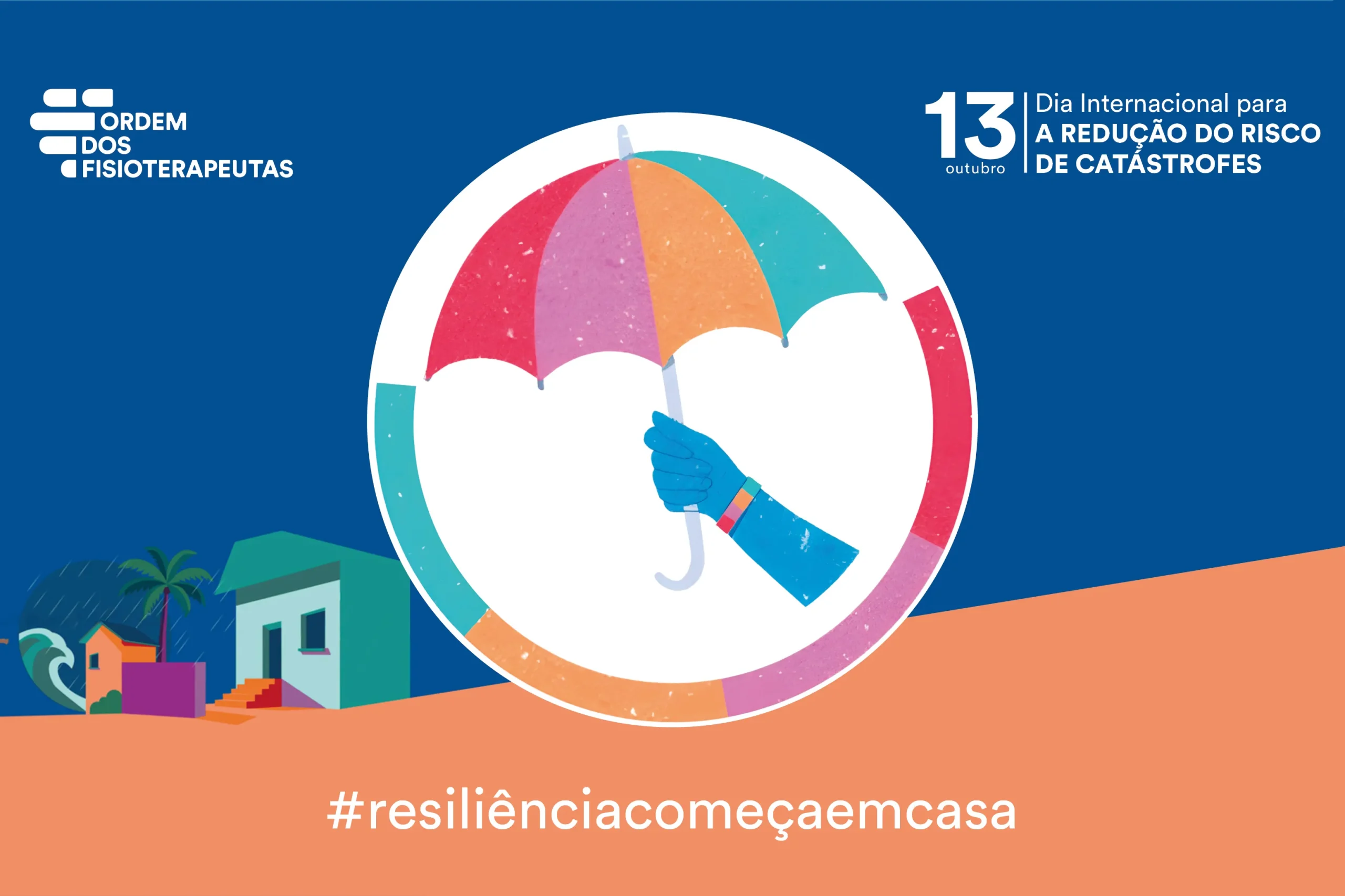


International Day for Disaster Risk Reduction: resilience starts at home

Today, 13 October, marks the International Day for Disaster Risk Reduction, a day designated by the United Nations to promote a global culture of prevention, preparedness and risk reduction.

In 2026, the theme of the international campaign is “Resilience Starts at Home” — “Resilience begins at home” — and places housing and households at the heart of building more resilient communities. The message is clear: everyone should be able to live in a home that is safe, accessible and capable of withstanding the risks present in the local area.

Our homes are the places where we seek protection and safety, but they can also be among the first to be affected when floods, extreme temperatures or other adverse events occur. Reducing the risk therefore involves being aware of the existing dangers, improving the safety of homes, ensuring information is accessible, and making sure that warning systems reach families, are understood and enable a timely response.

This year’s campaign also emphasises that resilience does not depend solely on individual choices. Urban and spatial planning, building regulations, investment in safe housing and community participation are also key factors in reducing vulnerabilities and protecting people’s lives, livelihoods and future.

Disaster preparedness also includes the capacity of health systems to respond to new needs without disrupting essential care. The World Health Organisation warns that emergencies can lead to a significant increase in rehabilitation needs whilst, at the same time, compromising access to existing services. For this reason, rehabilitation must be integrated into preparedness, response and recovery in emergency situations.

Physiotherapists can play a part in these responses, helping to prevent complications, promote functional recovery in those affected and ensure continuity of care for those who already require rehabilitation.

On this International Day for Disaster Risk Reduction, the Portuguese Physiotherapists’ Association endorses the 2026 message and reminds us that preparedness also begins at home.

In this context, the Association is once again making available the information leaflet “Physiotherapy in Emergency Situations”, which sets out practical guidance aimed at enhancing families“ preparedness, safety and independence in critical situations. Please see the leaflet ”Physiotherapy in Emergency Situations”.


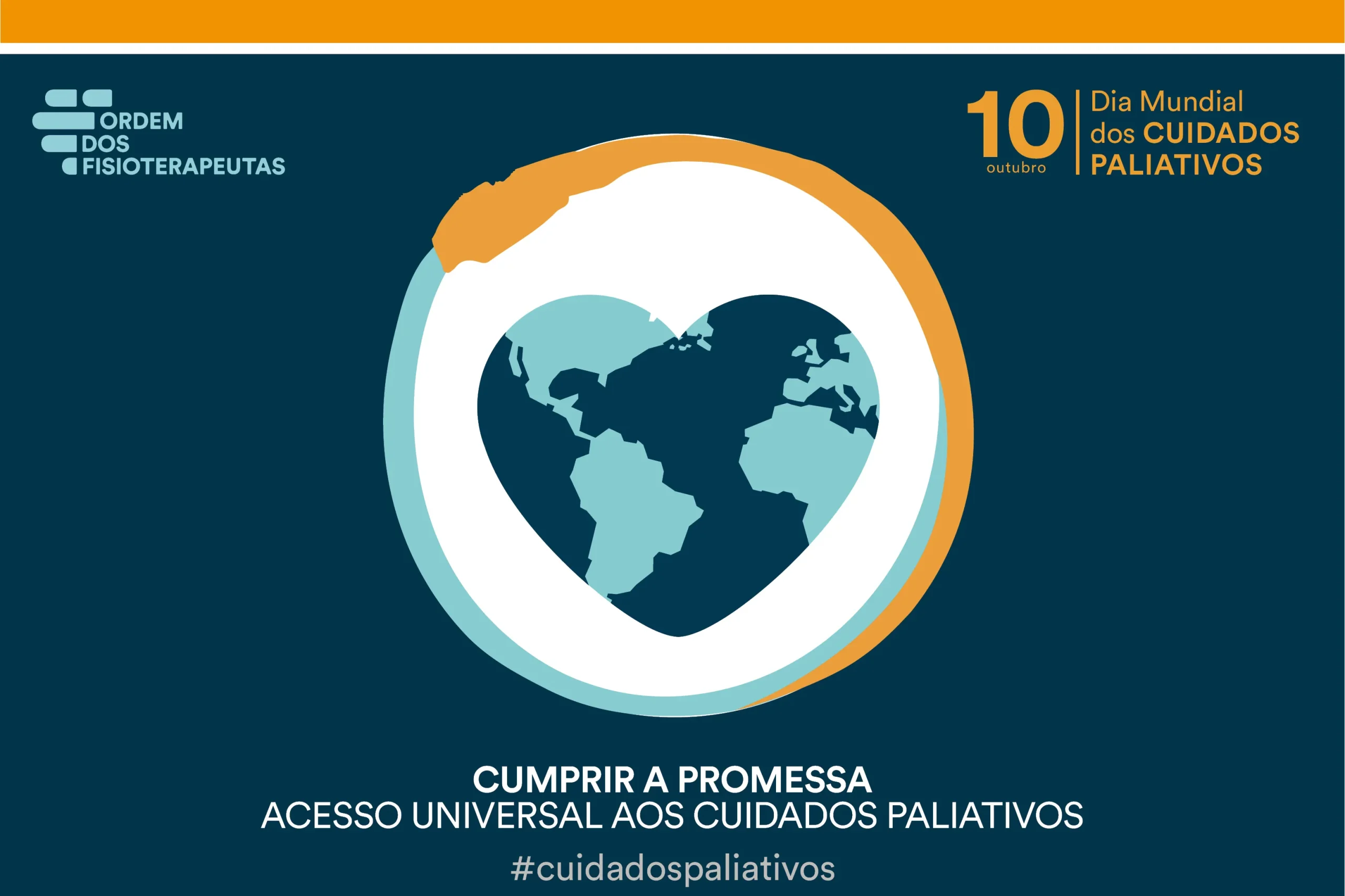
World Palliative Care Day: managing pain means caring for the person

Today, 10 October, marks World Palliative Care Day. In 2026, the international campaign is dedicated to the theme “Pain Management: An Essential Part of Palliative Care”, emphasising the importance of an appropriate, integrated and multidimensional approach to pain in the care of people with serious illnesses.

Pain is not solely a physical experience. In palliative care, the approach also takes into account the psychological, social and spiritual dimensions of suffering and requires interdisciplinary responses, tailored to each person’s situation and priorities.

However, palliative care is not limited to pain management or end-of-life care. Its aim is to alleviate suffering, preserve dignity and provide the best possible quality of life for patients and their families throughout the course of the illness.

Physiotherapists play a specific role in this process. Their treatment, tailored to each person’s condition and priorities, can help to maintain mobility and functionality, relieve symptoms, prevent complications, promote the greatest possible independence, and support and empower carers.

The effective integration of physiotherapy into palliative care teams is, therefore, part of a truly multidisciplinary and person-centred approach. The Portuguese Physiotherapists’ Association has argued that this integration must take place under conditions that enable physiotherapists to fulfil their role to the full within the various long-term and palliative care settings.

This line of thinking was also recently explored by the President of the Portuguese Physiotherapists« Association, António Lopes, in the article »Palliative care: Physiotherapists are part of the solution’, published in Mais Magazine. Read the full article.

On this World Hospice and Palliative Care Day, it is important to remember that, even when a cure is no longer possible, there are still functions to be maintained, discomfort to be alleviated, participation to be encouraged and quality of life to be safeguarded.


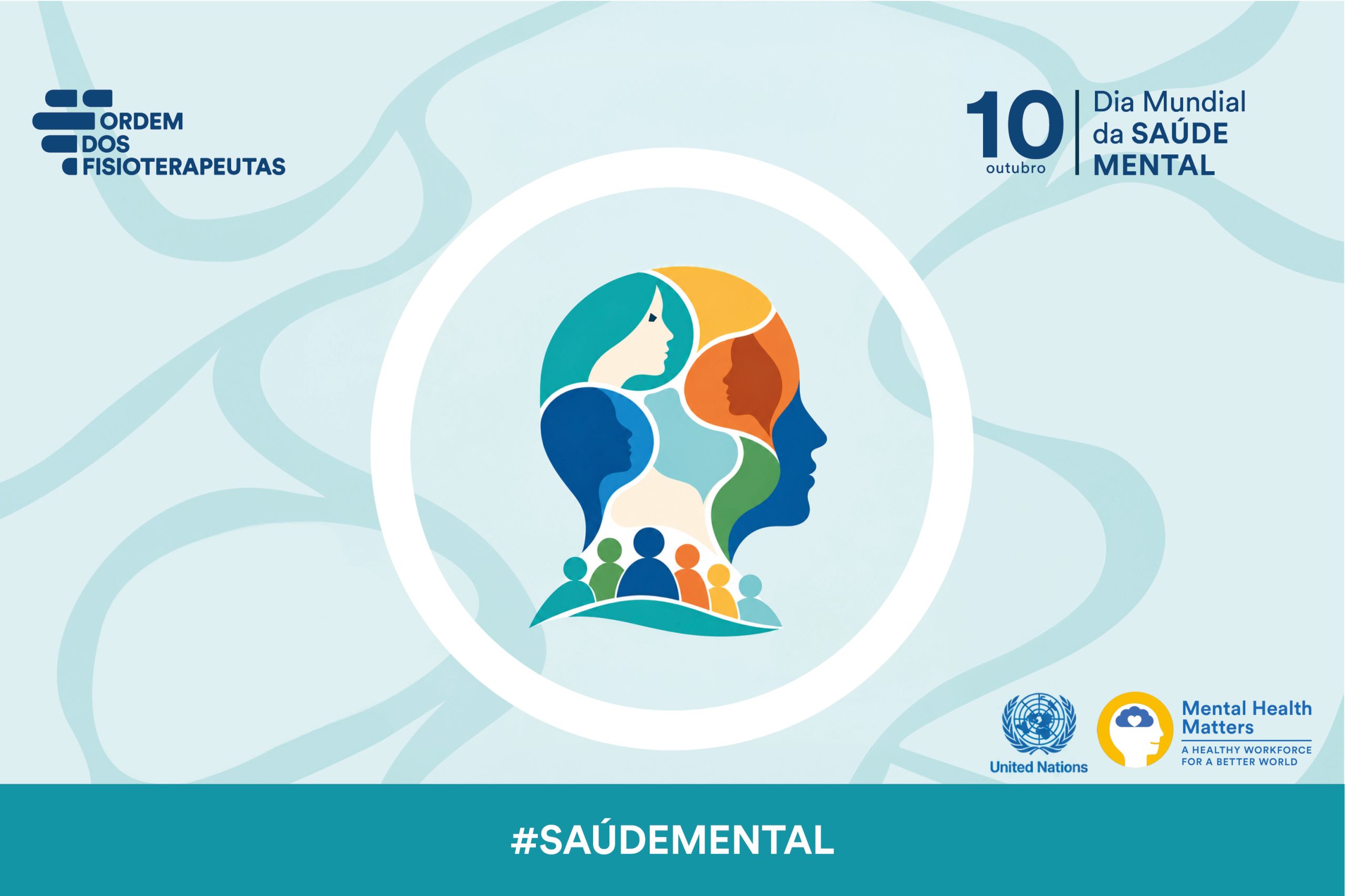
World Mental Health Day: listening to each person’s experience to develop better responses

Today, 10 October, marks World Mental Health Day. In 2026, the World Federation for Mental Health is dedicating the day to the theme “Lived Experiences Heard: Real Voices, Real Change”, emphasising the importance of giving a voice to people with lived experience of mental health problems and of taking their perspectives into account when developing responses, services and policies.

Mental health cannot be separated from physical health, functional ability, social participation and the conditions in which each person lives. Regular physical activity brings significant benefits to both physical and mental health and can help to reduce symptoms of anxiety and depression and improve well-being.

It is also within this framework that Mental Health Physiotherapy is situated. Internationally recognised as a specific area of intervention, it seeks to promote well-being and empower individuals through functional movement, movement awareness, physical activity and exercise, integrating the physical and mental dimensions of health. Physiotherapists work in a variety of settings and across the different stages of life, as part of multidisciplinary, person-centred care.

Giving space to each person’s experience also means recognising that goals and needs are not the same for everyone. A truly person-centred approach requires listening, participation and a shared definition of priorities.

On this World Mental Health Day, the Portuguese Physiotherapists’ Association joins the call for people to be listened to and to play an active part in decisions concerning their health and their care pathway.

Physiotherapy Day 2026 brought together the five regions to celebrate the value of physiotherapy

On 30 September, the Portuguese Physiotherapists’ Association marked its 7th anniversary with five events organised by its regional branches in the North, Centre, South, the Azores and Madeira.

Under the overarching theme “Calculating the Value of Physiotherapists” Intervention’, the 2026 Order Day took place in Guimarães, Caldas da Rainha, Lisbon, Ponta Delgada and Funchal, bringing together physiotherapists, institutional representatives, academics and other guests for a joint reflection on the value of physiotherapy for citizens and for healthcare systems.

The programme for the five regions included a common element, featuring an opening address by António Lopes, President of the Portuguese Physiotherapists’ Association, and a conference with contributions from Julian Perelman, Eduardo Cruz and Nuno Cordeiro.

Throughout these presentations, various perspectives were discussed on the concept of value in healthcare, care pathways and the organisation of care, as well as the challenges associated with innovation and the future of the profession.

This reflection stemmed from a central idea: the value of a physiotherapist’s intervention cannot be assessed solely on the basis of the number of actions, sessions or procedures carried out. It is important to consider the outcomes achieved for individuals, particularly in terms of functionality, independence, quality of life and participation, as well as the contribution of physiotherapy to the quality, accessibility and sustainability of healthcare.

Following the conference, each Region organised its own panel discussion, bringing together different institutional and professional perspectives and enabling a shared reflection on the realities and challenges facing each region.

The simultaneous holding of the five events also highlighted the Order’s regional dimension, strengthening its ties with physiotherapists, institutions and communities, and involving the Regional Boards in the celebration of the institution’s anniversary.
Seven years after the establishment of the Order of Physiotherapists, the Order’s Day 2026 was thus an occasion for celebration, but also for reflection on the present and future of the profession and on the need to make the impact of physiotherapy on people’s health and lives increasingly visible and measurable.


Interventions


Videos of the opening address and the conference are available on the Portuguese Physiotherapists’ Association’s YouTube channel.


Order Day in Pictures


Photographs from the five regional events are currently being selected and organised. The photo galleries for the North, Centre, South, Azores and Madeira regions will be made available in stages on the page dedicated to the 2026 Physiotherapists’ Association Day.


Pedro Maciel Barbosa

Specialist physiotherapist at the Matosinhos Local Health Unit Sub-coordinator for Primary Health Care, Matosinhos Local Health Unit Visiting Assistant Professor at the Porto School of Health Member of the Board of Directors of the Foundation for Health - SNS Member of the General Council of the Order of Physiotherapists

Carlos Sand

Carlos Areia has been a physiotherapist since 2013, and has worked in various hospitals, clinics and clubs in both Portugal and the UK. He began his academic career at Oxford University in 2016, where he led a clinical trial comparing physiotherapy vs surgery in anterior cruciate injuries in 32 hospitals in England. In 2018 she moved to the neurosciences department, where she developed her own studies on remote monitoring of vital signs, which were implemented during the pandemic. Here he discovered his passion for data, and in 2022, he joined Digital Science as a Data Scientist. He completed his PhD earlier this year, and has more than 60 publications in journals such as The Lancet, BMJ, Cochrane, among others. He is also an honorary lecturer at Oxford Brookes University and a consultant in clinical research.

Eduardo José Brazete Carvalho Cruz

PhD in Physiotherapy from the University of Brighton, UK. Post-Doctorate in Epidemiology from the National School of Public Health at the New University of Lisbon.
Coordinator of the Studies and Planning Office of the Order of Physiotherapists. Coordinating Professor of the Physiotherapy Department of the School of Health of the Polytechnic Institute of Setúbal (ESS-IPS). President of the ESS-IPS Technical-Scientific Council. Coordinator of the Physiotherapy Department at ESS-IPS. Integrated Researcher at the Comprehensive Health Research Centre (CHRC) (a partnership between FCM-UNL, the National School of Public Health, the University of Évora, the Lisbon Institute of Global Mental Health and Santo Espírito Hospital, Terceira Island, Azores).

Sara Souto Miranda

Sara Souto Miranda has a bachelor's and master's degree in physiotherapy from the University of Aveiro, and a postgraduate qualification in adult respiratory physiotherapy from the same institution. In 2023 she completed her double doctorate in Rehabilitation Sciences/Health, Medicine and Life Sciences at the Universities of Aveiro and Maastricht (Netherlands) and is currently working as a technical-scientific advisor to the Studies and Planning Office (GEP) of the Order of Physiotherapists, and as a guest lecturer at the Piaget Institute in Vila Nova de Gaia. As a member of the Respiratory Research and Rehabilitation Laboratory at the University of Aveiro (Lab3R), she has carried out applied research in which she has assessed and treated patients with respiratory pathology, having taken part in 6 research projects. Throughout her career she has published 19 scientific articles in international peer-reviewed journals with an impact factor, 1 book chapter and more than 50 abstracts in conference proceedings. She was a research volunteer at the Ciro rehabilitation centre (Centre for expertise in chronic organ failure) in the Netherlands, and is currently a member of the Guideline Methodology Network of European Respiratory Society. She was honoured by European Lung Foundation e European Respiratory Society for carrying out patient-centred research, by the Directorate General for Higher Education with a merit grant for his master's degree, and by the Ciro Centre with a grant to support research abroad.

This site uses cookies to enable a better user experience.
By browsing the site you are consenting to its use.