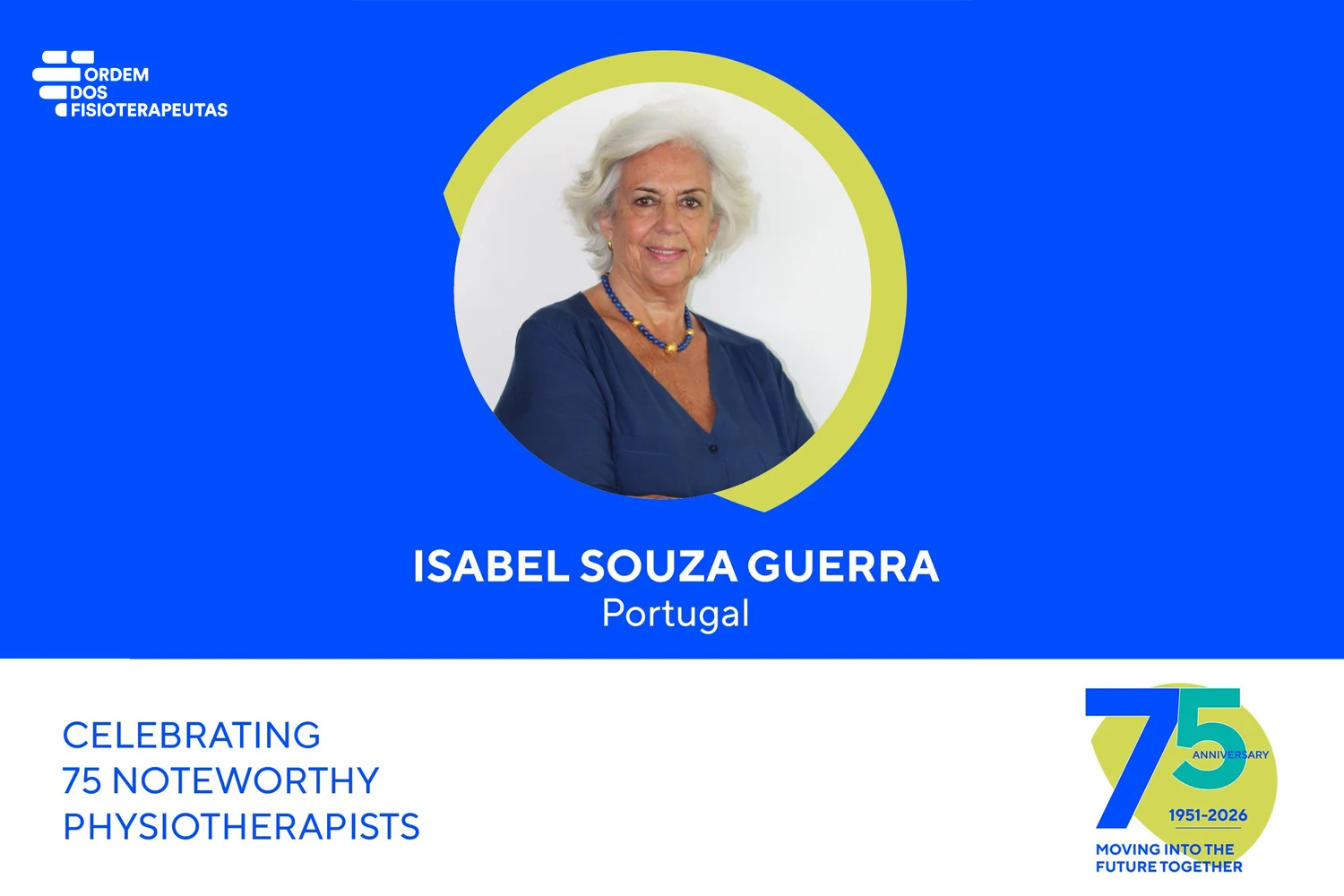
World Physiotherapy distingue Isabel Souza Guerra entre 75 fisioterapeutas de destaque

No âmbito das comemorações do seu 75.º aniversário, a World Physiotherapy distinguiu Isabel Souza Guerra como uma das 75 personalidades da Fisioterapia reconhecidas pelo contributo prestado à profissão.

A iniciativa “75 noteworthy physiotherapists” homenageia fisioterapeutas que se destacaram pelo contributo dado ao desenvolvimento e valorização da profissão. Os 75 nomes estão a ser divulgados individualmente pela World Physiotherapy desde o passado 10 de setembro.

Ao longo da sua carreira, Isabel Souza Guerra conjugou a atividade clínica e académica com um percurso de liderança profissional, mantendo, segundo destaca a World Physiotherapy, um compromisso continuado com a excelência e a qualidade dos cuidados, o ensino da Fisioterapia e o reconhecimento e desenvolvimento da profissão em Portugal. A organização internacional salienta ainda os cerca de 20 anos que dedicou ao processo de criação da Ordem dos Fisioterapeutas.

A distinção integra as comemorações dos 75 anos da World Physiotherapy. No final da divulgação dos 75 homenageados será também publicada uma edição comemorativa dedicada aos respetivos percursos e contributos para a Fisioterapia.

Conheça HERE os 75 fisioterapeutas distinguidos pela World Physiotherapy.

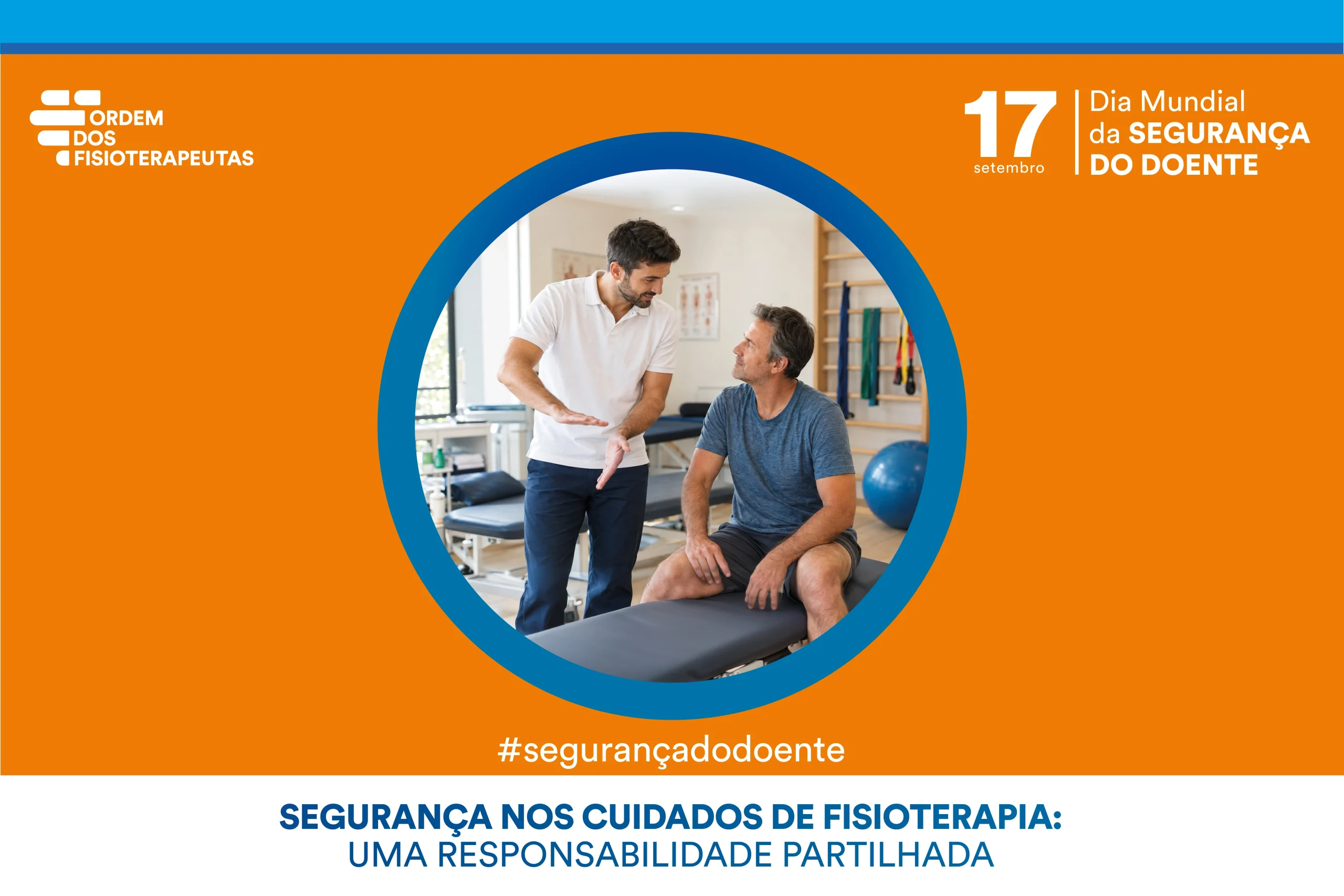
Segurança dos Cuidados de Fisioterapia nas Doenças Não Transmissíveis: Uma Responsabilidade Partilhada

segurança do doente 2026

No dia 17 de setembro, assinala-se o Dia Mundial da Segurança do Doente, que em 2026 é dedicado ao tema definido pela Organização Mundial da Saúde: “Safe care for noncommunicable diseases”, sob o lema “Safe care for life!” (“Cuidados seguros para a vida”).  A campanha destaca a necessidade de garantir cuidados seguros ao longo de todo o percurso das pessoas que vivem com doenças não transmissíveis, desde a prevenção ao diagnóstico, à intervenção, à reabilitação e ao autocuidado.

As doenças cardiovasculares, o cancro, a diabetes, as doenças respiratórias crónicas e outras doenças não transmissíveis exigem acompanhamento prolongado e envolvem frequentemente diferentes profissionais e níveis de cuidados. Neste contexto, prevenir danos evitáveis implica colocar a pessoa no centro dos cuidados, promovendo uma verdadeira parceria entre profissionais, doentes e cuidadores.

A Ordem dos Fisioterapeutas associa-se a esta campanha internacional, promovendo uma cultura de segurança em que cada pessoa participa ativamente na construção de cuidados de Fisioterapia mais seguros e centrados nas suas necessidades.

Os fisioterapeutas acompanham pessoas com doenças crónicas ao longo de meses ou anos, promovendo a funcionalidade, a autonomia, a participação social e a qualidade de vida. Cada avaliação clínica, cada decisão terapêutica, cada exercício prescrito e cada intervenção devem ser sustentadas pelos princípios da segurança do doente, pela prática baseada na evidência, bem como pela avaliação e gestão do risco. Contribuindo para cuidados mais eficazes, seguros e de maior qualidade.

Na Fisioterapia, a segurança não termina quando a sessão acaba.

A adesão ao plano de Fisioterapia, a realização dos exercícios prescritos, a compreensão dos objetivos, bem como a participação ativa nas decisões clínicas são determinantes para alcançar melhores resultados e reduzir riscos evitáveis.

Quando uma pessoa interrompe precocemente um programa de Fisioterapia, não consegue dar continuidade ao plano definido ou integrar na sua vida diária as orientações recebidas, não está apenas em causa a eficácia da intervenção. Pode estar também em causa a segurança dos cuidados de Fisioterapia.

Promover a adesão ao plano de Fisioterapia significa comunicar melhor, reforçar a literacia em saúde, envolver os doentes e, quando aplicável, os cuidadores e familiares, e construir uma relação de confiança que favoreça a tomada de decisões partilhadas, sustentadas e informadas.

É neste compromisso que a Fisioterapia faz a diferença: reconhecendo cada pessoa como elemento ativo e central do seu processo de Fisioterapia e promovendo o seu envolvimento, a sua informação e a sua capacitação para a gestão da sua condição de saúde.

Neste Dia Mundial da Segurança do Doente, a Ordem dos Fisioterapeutas reforça que a segurança dos cuidados se constrói também através da participação ativa da pessoa, da decisão partilhada e da parceria entre fisioterapeutas, doentes, cuidadores e familiares.

Mais participação. Mais envolvimento. Mais segurança.

Cuidados de Fisioterapia seguros nas doenças não transmissíveis

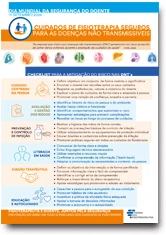
No âmbito desta iniciativa, a Ordem dos Fisioterapeutas disponibiliza uma Checklist para a mitigação do risco nas doenças não transmissíveis, que reúne recomendações sobre cuidado centrado na pessoa, literacia em saúde, avaliação e gestão do risco, prevenção e controlo de infeção, adesão e educação para o autocuidado. É também disponibilizado um vídeo de sensibilização, que destaca algumas das principais mensagens associadas à promoção de cuidados de Fisioterapia mais seguros.

Learn more

Para aprofundar os temas relacionados com a Segurança do Doente, consulte também:

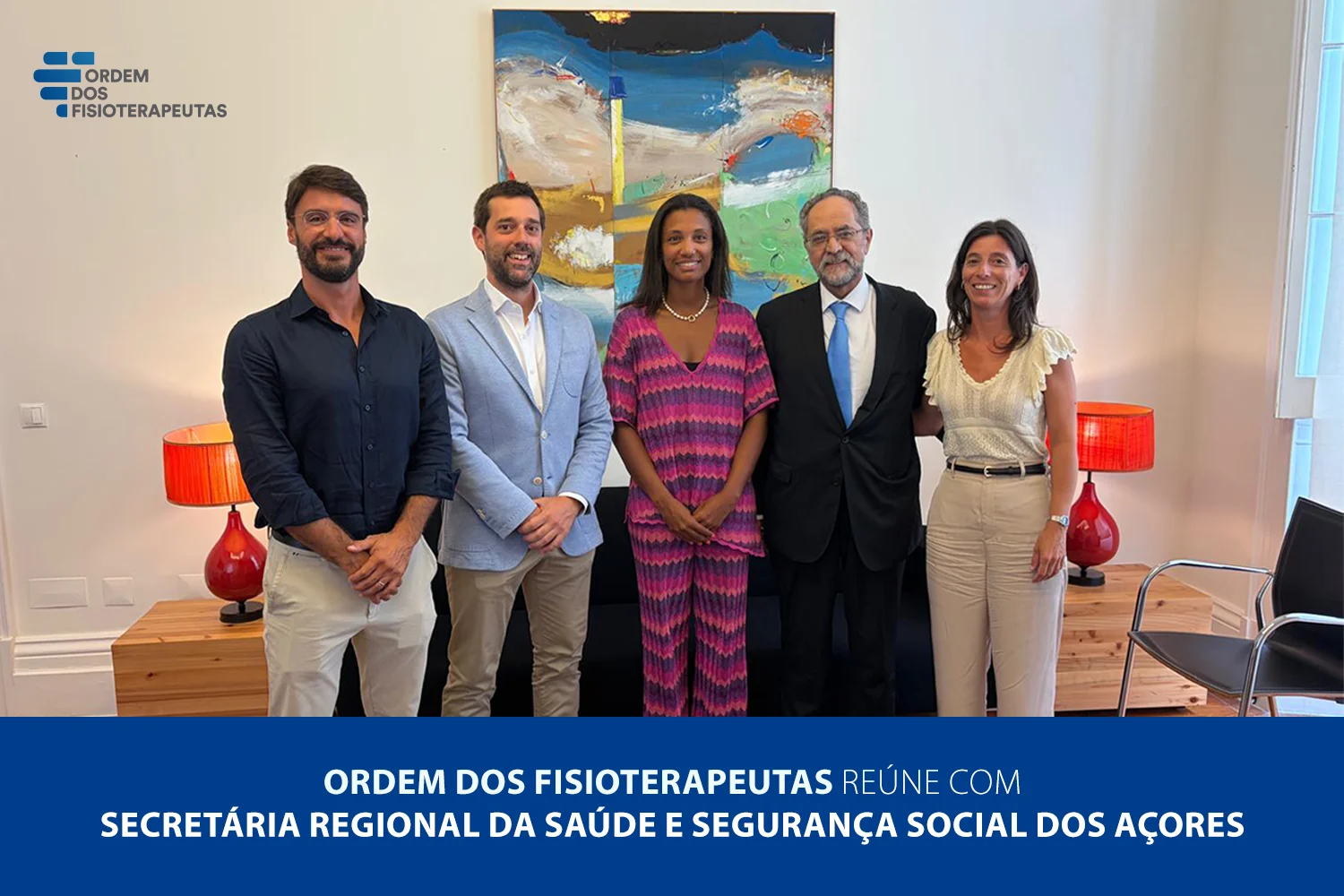
The Portuguese Physiotherapists’ Association meets with the Regional Secretary for Health and Social Security of the Azores

The Portuguese Physiotherapists’ Association met this Wednesday with the Regional Secretary for Health and Social Security of the Azores, to mark the start of a new term of office for the Association’s governing bodies and their respective regional branches.

The meeting provided an opportunity to exchange institutional greetings and to discuss prospects for collaboration in the development of physiotherapy in the Autonomous Region of the Azores, with a particular focus on the regulation, organisation and access to the profession within the Regional Health System.

Among the topics discussed was the possibility of setting up a working group involving the various organisations, with the aim of analysing the current model, identifying needs and developing proposals that would help to enhance the skills and autonomy of physiotherapists and ensure a more efficient and accessible response to the needs of the population.

The meeting reaffirmed the willingness to deepen institutional dialogue and to work together in a way that is tailored to regional circumstances.

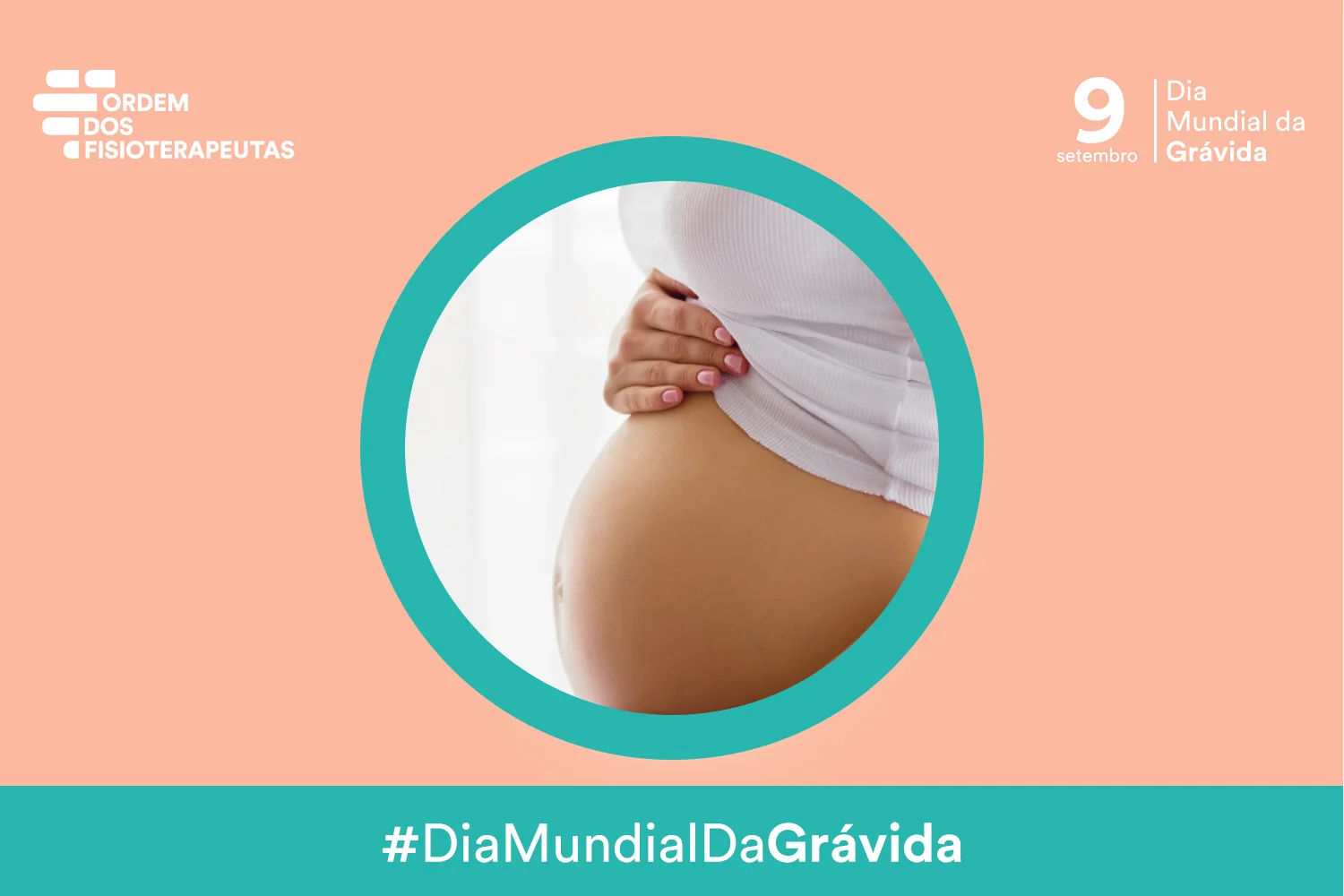
World Pregnant Women’s Day 2026: the contribution of physiotherapy throughout the perinatal cycle

Today, 9 September, marks World Pregnant Women’s Day, a day that celebrates motherhood and emphasises the importance of ensuring high-quality healthcare throughout pregnancy and the postnatal period.

Physiotherapy specialising in pelvic and women’s health can play a significant role in this journey, helping to improve quality of life, prevent complications, support functional recovery and address the various needs associated with the perinatal period.

During pregnancy, physiotherapists can assess a woman’s physical condition, prescribe appropriate exercise, advise on strategies for managing and reducing pain, and support her in preparing for the different stages of pregnancy and for childbirth. In the postnatal period, intervention can contribute to physical recovery, pelvic floor function, a return to everyday activities and other specific needs during this phase.

Physiotherapy can also help to promote independence, health literacy and a more active role for women in decisions relating to their health and wellbeing.

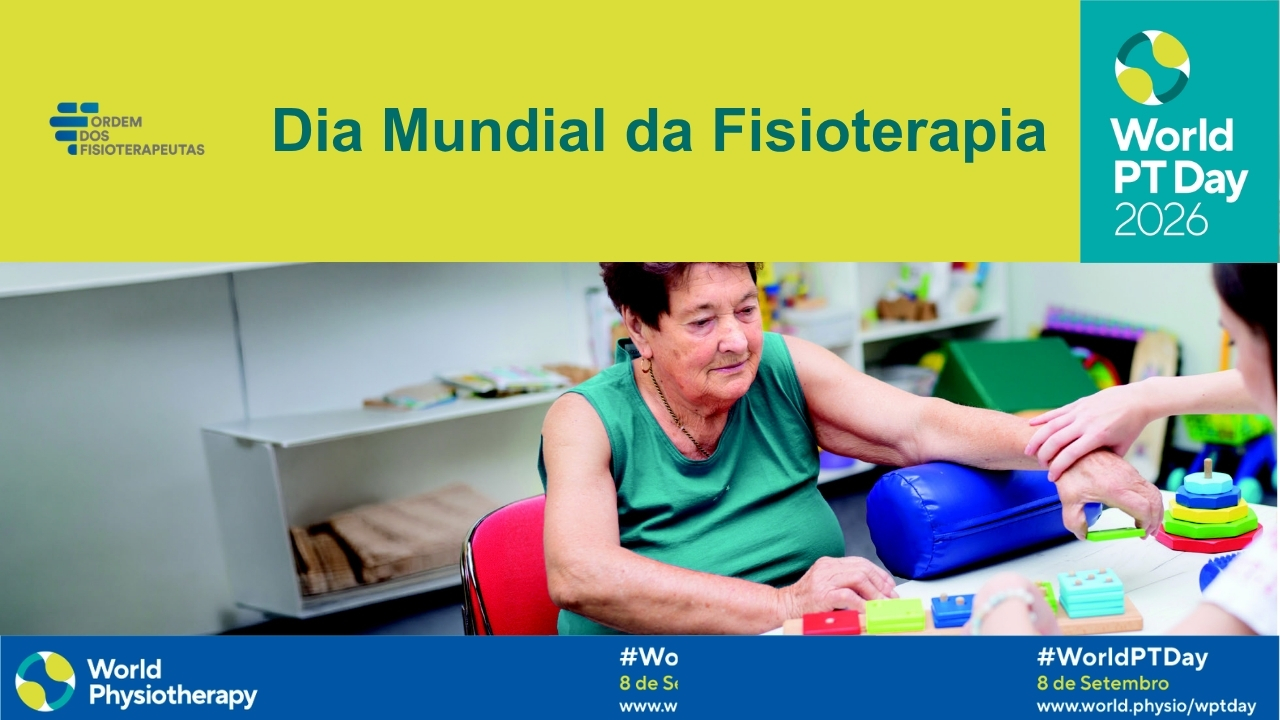
World Physiotherapy Day 2026: prevention, care and recovery through movement

Today, 8 September, marks World Physiotherapy Day. In 2026, the World Physiotherapy campaign will focus on the role of physiotherapy and physical activity in the prevention, management and rehabilitation of cardiovascular disease and stroke.

Cardiovascular disease remains the leading cause of death worldwide, accounting for more than 20.5 million deaths a year. Stroke affects 1 in 4 people at some point in their lives, although a significant proportion of the risk can be prevented by adopting healthier lifestyles and reducing risk factors.

In this context, it is important to emphasise that physiotherapy does not merely intervene after an illness has occurred. Physiotherapists help to identify and reduce risk factors, combat a sedentary lifestyle, promote physical activity and prescribe safe, personalised exercise programmes. When a cardiovascular event or stroke occurs, they also play a key role in restoring mobility, functional ability, independence and participation.

Physiotherapy therefore supports the entire process, from prevention to rehabilitation, playing a key role in promoting health and improving people’s quality of life. This year’s campaign also provides an opportunity to emphasise the importance of integrating this intervention in a timely and ongoing manner across the different levels of care. See also the dedicated page World Physiotherapy Day 2026, where the official campaign materials, translated into Portuguese, are available.

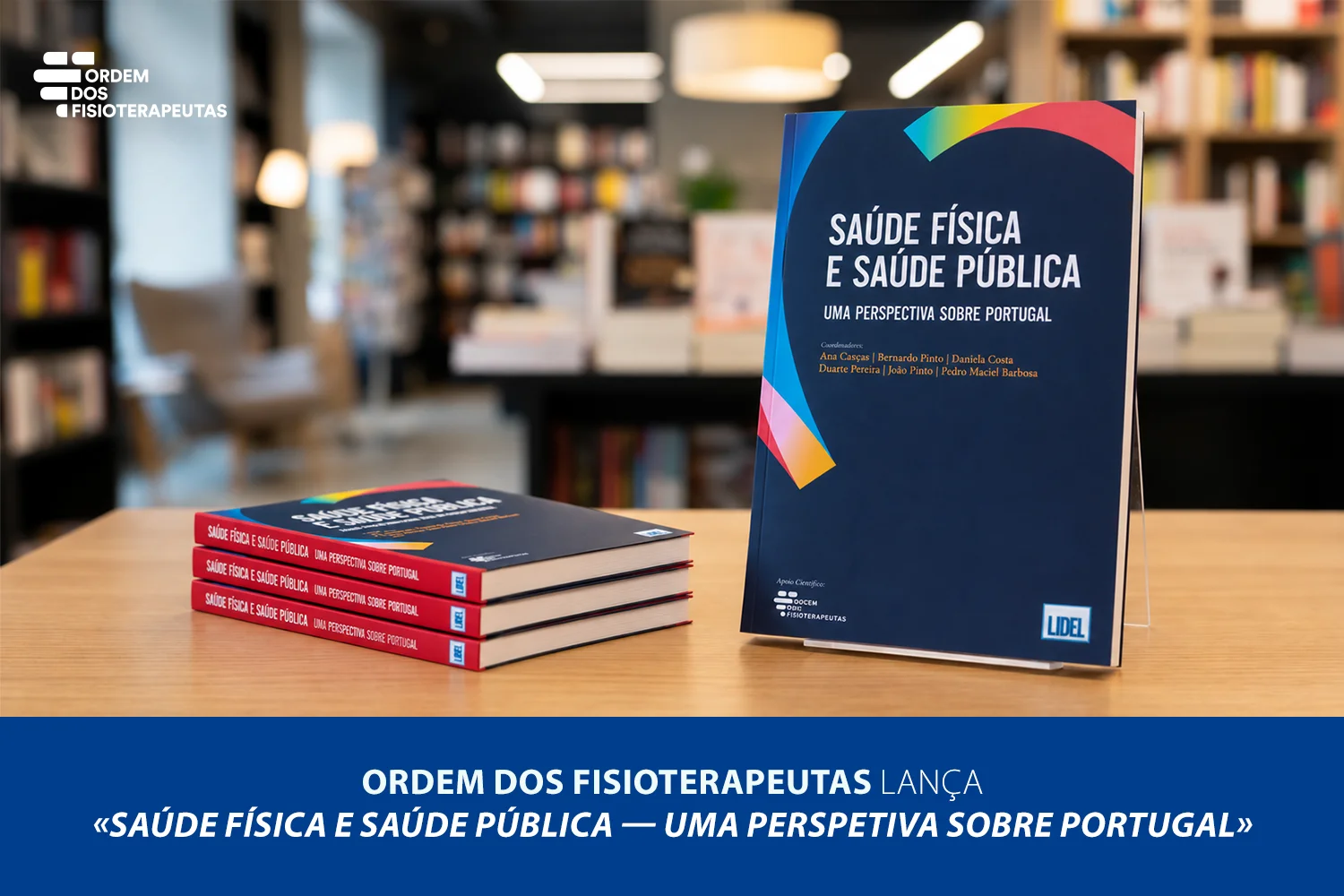
The Portuguese Physiotherapists« Association launches »Physical Health and Public Health — A Perspective on Portugal’

As part of the celebrations for the Order’s Day, the Portuguese Order of Physiotherapists, in collaboration with Lidel, is organising the launch of the book «Physical Health and Public Health — A Perspective on Portugal».

The session will take place on 29 September, at 6.30 pm, at FNAC Chiado, in Lisbon.

The book aims to bring public health – often perceived as a theoretical field that is difficult to apply in practice – closer to everyday reality, making it more accessible and understandable.

Taking an integrative approach that fosters dialogue between physiotherapists and public health professionals, this publication offers a conceptual and practical reflection on the challenges and needs relating to physical health in Portugal. Each chapter begins with a specific scenario and explores the relevant topic through the contributions of public health professionals and physiotherapists.

Presented as a white paper, the publication addresses the determinants of physical health, the burden of disease and morbidity, physical activity and health promotion, universal coverage and equity in access to care, physical health policies and health literacy.

At the launch of the publication, the President of the Portuguese Physiotherapists« Association, António Lopes, emphasised that »this work, which focuses on the public health perspective, represents a significant contribution towards repositioning and raising the profile of physiotherapy and physiotherapists within healthcare settings’.

This book marks the launch of a new series that the Portuguese Physiotherapists’ Association intends to develop, in partnership with Lidel, through the publication of further works devoted to physiotherapy and topics relevant to health. The initiative aims to strengthen the Order’s role in the production and dissemination of knowledge, contributing to professional reflection and debate within the health sector.

The project was co-ordinated by Ana Casaca, Bernardo Pinto, Daniela Costa, Duarte Pereira, João Pinto and Pedro Maciel Barbosa. The foreword was written by Constantino Sakellarides, Emeritus Professor at the National School of Public Health, NOVA University Lisbon.

This publication is aimed at physiotherapists, students and other professionals and those with an interest in the field.

The panellists and the full programme for the session will be announced shortly.

Physiotherapists’ Association Day 2026

The page dedicated to the 2026 Physiotherapists’ Association Day is now available. The event will be held on 30 September, the 7th anniversary of the Association’s founding.

This year, the initiative will be marked by five regional events, organised by the Northern, Central, Southern, Azores and Madeira Regional Directorates.

Under the theme “Assessing the Value of Physiotherapy”, the 2026 Physiotherapy Day invites reflection on the value of physiotherapy for individuals, for the quality of care and for the sustainability of healthcare systems.

See dedicated page Look forward to Order Day 2026 and find out about the regional programmes.

The Portuguese Physiotherapists’ Association meets with the Minister of Health

The Portuguese Physiotherapists’ Association, represented by its President, the Chair of the Southern Regional Assembly and the Coordinator of the Office for Research, Foresight and Planning, met on 27 August with the Minister for Health and members of her cabinet.

The meeting took place in an atmosphere of institutional cooperation and constructive dialogue, with topics such as physiotherapy consultations, the recording of physiotherapists’ activities in information systems, the integration of physiotherapy practice into the National Health Service’s (SNS) management and monitoring systems, and the development of future collaborative initiatives with organisations in the health sector.

The parties expressed their willingness to continue the dialogue and to work together on the matters discussed.

The Portuguese Physiotherapists’ Association also took the opportunity to thank the Minister for Health for the support she had shown for Lisbon’s bid to host the World Congress of Physiotherapy in 2029, which contributed to the bid’s success.

World Physiotherapy Day featured in Valor Magazine

World Physiotherapy Day 2026, dedicated to cardiovascular disease and stroke, is featured in the latest issue of Valor Magazine, which is distributed nationwide with the weekly newspaper SOL.

In an interview, the President of the Portuguese Physiotherapists’ Association, António Lopes, discusses the role of physiotherapy in preventing cardiovascular disease and stroke, and in promoting functionality, independence and quality of life.

The interview also emphasises the importance of ensuring faster and more effective access to physiotherapy care throughout the entire care pathway, as well as greater integration of physiotherapists across the different levels of care.

This issue will be available from 21 August at newsagents and in digital format.

Read the interview [here].

See the full edition [here].

Find out more about World Physiotherapy Day 2026 and download the campaign materials from World Physiotherapy, translated into Portuguese by the Portuguese Physiotherapists’ Association, here.

Pedro Maciel Barbosa

Specialist physiotherapist at the Matosinhos Local Health Unit Sub-coordinator for Primary Health Care, Matosinhos Local Health Unit Visiting Assistant Professor at the Porto School of Health Member of the Board of Directors of the Foundation for Health - SNS Member of the General Council of the Order of Physiotherapists

Carlos Sand

Carlos Areia has been a physiotherapist since 2013, and has worked in various hospitals, clinics and clubs in both Portugal and the UK. He began his academic career at Oxford University in 2016, where he led a clinical trial comparing physiotherapy vs surgery in anterior cruciate injuries in 32 hospitals in England. In 2018 she moved to the neurosciences department, where she developed her own studies on remote monitoring of vital signs, which were implemented during the pandemic. Here he discovered his passion for data, and in 2022, he joined Digital Science as a Data Scientist. He completed his PhD earlier this year, and has more than 60 publications in journals such as The Lancet, BMJ, Cochrane, among others. He is also an honorary lecturer at Oxford Brookes University and a consultant in clinical research.

Eduardo José Brazete Carvalho Cruz

PhD in Physiotherapy from the University of Brighton, UK. Post-Doctorate in Epidemiology from the National School of Public Health at the New University of Lisbon.
Coordinator of the Studies and Planning Office of the Order of Physiotherapists. Coordinating Professor of the Physiotherapy Department of the School of Health of the Polytechnic Institute of Setúbal (ESS-IPS). President of the ESS-IPS Technical-Scientific Council. Coordinator of the Physiotherapy Department at ESS-IPS. Integrated Researcher at the Comprehensive Health Research Centre (CHRC) (a partnership between FCM-UNL, the National School of Public Health, the University of Évora, the Lisbon Institute of Global Mental Health and Santo Espírito Hospital, Terceira Island, Azores).

Sara Souto Miranda

Sara Souto Miranda has a bachelor's and master's degree in physiotherapy from the University of Aveiro, and a postgraduate qualification in adult respiratory physiotherapy from the same institution. In 2023 she completed her double doctorate in Rehabilitation Sciences/Health, Medicine and Life Sciences at the Universities of Aveiro and Maastricht (Netherlands) and is currently working as a technical-scientific advisor to the Studies and Planning Office (GEP) of the Order of Physiotherapists, and as a guest lecturer at the Piaget Institute in Vila Nova de Gaia. As a member of the Respiratory Research and Rehabilitation Laboratory at the University of Aveiro (Lab3R), she has carried out applied research in which she has assessed and treated patients with respiratory pathology, having taken part in 6 research projects. Throughout her career she has published 19 scientific articles in international peer-reviewed journals with an impact factor, 1 book chapter and more than 50 abstracts in conference proceedings. She was a research volunteer at the Ciro rehabilitation centre (Centre for expertise in chronic organ failure) in the Netherlands, and is currently a member of the Guideline Methodology Network of European Respiratory Society. She was honoured by European Lung Foundation e European Respiratory Society for carrying out patient-centred research, by the Directorate General for Higher Education with a merit grant for his master's degree, and by the Ciro Centre with a grant to support research abroad.

This site uses cookies to enable a better user experience.
By browsing the site you are consenting to its use.