Investing in cardiovascular prevention: the role of physiotherapy on National Coronary Heart Disease Day

National Coronary Heart Disease Day is on 14 February, a date set by the Portuguese Cardiology Foundation to raise awareness of cardiovascular disease prevention, early recognition of the symptoms of acute myocardial infarction and the adoption of healthy lifestyles.

The Order of Physiotherapists joins this event, emphasising the importance of cardiovascular prevention and the contribution of physiotherapy in promoting health throughout the life cycle.

Cardiovascular diseases continue to be the leading cause of death in Portugal, accounting for around 29% of deaths.

The main risk factors include high blood pressure, dyslipidaemia, smoking, obesity, a sedentary lifestyle and diabetes - largely modifiable conditions that require a structured and sustained preventive approach.

Scientific evidence shows that a significant proportion of cardiovascular diseases can be prevented by adopting healthy lifestyles. Regular physical activity, body weight control, smoking cessation and appropriate clinical monitoring are essential pillars in reducing cardiovascular risk.

In this context, physiotherapy plays an important role in promoting safe and individualised physical activity, assessing functional fitness and empowering people to manage their risk factors. Physiotherapy intervention, particularly in primary healthcare and in structured cardiac rehabilitation programmes, helps to improve physical fitness, reduce the likelihood of new cardiovascular events and promote greater autonomy and quality of life.

After a coronary event, physiotherapy integrated into multidisciplinary rehabilitation programmes, with intervention based on scientific evidence and aimed at functional recovery, physical reconditioning and reintegration into active life, can be decisive in reducing disability and improving health outcomes.

On this National Coronary Heart Disease Day, the Order of Physiotherapists recalls that investing in prevention means investing in more years of life with functionality, autonomy and active participation, and that physiotherapy is an essential element in building a healthier society.

ERS manual reinforces good practices in health advertising

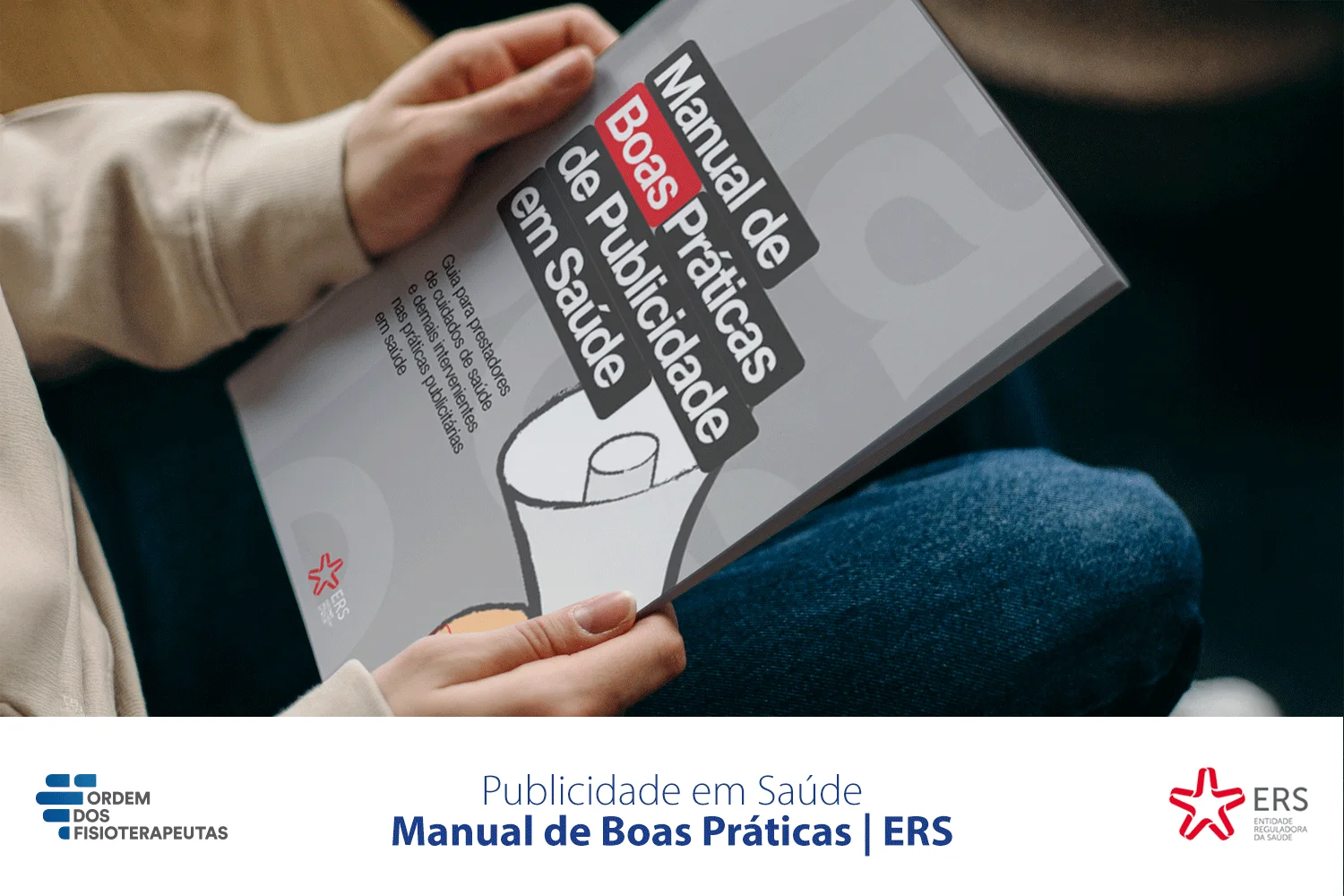
A Health Regulatory Authority (ERS) has made Manual of Good Practices in Health Advertising, This is a guiding document that establishes essential principles for ethical, truthful, transparent and user-centred communication.

Access here Manual of Good Practices in Health Advertising

The Manual applies to all healthcare providers and clarifies the legal framework for health advertising, with a special focus on the veracity of information, clear identification of the professional and the establishment, and the prohibition of practices that mislead users, such as guarantees of results, improper use of titles or advertising of services not provided.

In the case of physiotherapy, advertising must comply, in addition to the applicable legal framework, with the principles of the Code of Ethics of the Order of Physiotherapists, including the duty of honesty, professional competence and the primacy of the user's interests over commercial interests (Article 19, Chapter XVI).

Among the aspects covered in the manual are:

  • Mandatory identification of the healthcare professional and the organisation providing the service;
  • The need for advertising to be reliable, scientifically rigorous and distinguishable from editorial information;
  • The regulation of user testimonials, the use of “before and after” images, which must be clear and not generate false expectations.

In this context, The ERS Manual emphasises that, since the constitutionally protected right to the image of users is at stake, as well as the processing of their personal data, the dissemination of photographs or testimonies depends on the prior, free and explicit consent of users for this purpose, particularly when it comes to publicising their experience or the results of treatments.

The ERS also provides a set of Frequently Asked Questions on Health Advertising, which help to clarify the practical application of these rules and support professionals in complying with the applicable legislation:
https://www.ers.pt/pt/prestadores/perguntas-frequentes/faqs/perguntas-frequentes-sobre-publicidade-em-saude/

The Order of Physiotherapists considers this manual to be a reference tool that supports physiotherapists in adopting rigorous communication practices, contributing to the enhancement of the profession and strengthening citizens' trust in healthcare.

The Order of Physiotherapists is also a member of the Strategic Council of the Health Advertising Observatory, an initiative promoted by the ERS that brings together regulatory, academic and professional bodies with the aim of monitoring the evolution of health advertising, promoting good practices and strengthening literacy in this area. The ERS has a tab on its website dedicated to the Health Advertising Observatory, where you can see the organisations that are part of this Strategic Council and other information related to this initiative.

 See also informative video of the ERS on Health Advertising.

Physiotherapy in Oncology: more quality of life at all stages of the disease

Today marks the World Cancer Day, The International Union for Cancer Control (UICC) created this year in 2000 with the aim of alerting the population to prevention, early diagnosis and the importance of fair and equitable access to health care. The Order of Physiotherapists joins this date, reinforcing the role of physiotherapy in promoting the functionality, autonomy and quality of life of people diagnosed with cancer.


Cancer continues to affect millions of people around the world. In Portugal, there have been around 60,000 new cases each year, with an impact that goes beyond the physical dimension of the disease, also influencing the emotional, social and family well-being of people diagnosed with cancer.


Between 2025 and 2027, this anniversary is framed by the international campaign “United by Unique”, which advocates more person-centred models of care, recognising that each experience of cancer is unique and that healthcare should be integrated, empathetic and humanised, responding to the physical, emotional and social needs of each individual throughout their illness.


Physiotherapy in oncology plays a fundamental role throughout the care pathway. The intervention of physiotherapists contributes to improving the quality of life, functional recovery and promoting the autonomy of people with cancer, from prevention and prehabilitation to rehabilitation, post-treatment and support in the survival phase and, when necessary, in the more advanced stages of the disease.


Physiotherapy intervention includes:


  • Prevention - Promotion of healthy lifestyles, physical exercise and weight management;
  • Prehabilitation - Prevention and treatment of complications associated with oncological therapies;
  • Rehabilitation - Restoring and maximising function;
  • During oncological treatments - Continuous functional monitoring;
  • Advanced stage - Improved quality of life at all stages;
  • Survival - Support for social and occupational reintegration.


The physiotherapist intervenes in an integrated way, based on scientific evidence, in conjunction with multidisciplinary teams, guaranteeing humanised and personalised care.

On this World Day Against Cancer, the Order reinforces the importance of fair, accessible and person-centred care, where Physiotherapy is crucial in promoting functionality, autonomy and quality of life.

Because caring for cancer is also caring for the person, in all their uniqueness.

Order of Physiotherapists monitors public information on Operation “Harry Potter”

The Order of Physiotherapists has taken note of the press release issued by Judicial Police, The investigation into the so-called “Harry Potter” operation, in which four men were arrested for strong indications that they had committed the offences of trafficking in prohibited substances and methods, possession of a prohibited weapon and money laundering, is currently underway at the Lisbon DIAP.

The Board of the Portuguese Bar Association is monitoring the information provided by official bodies and the media regarding the arrest of a physiotherapist, and has already sent it to the Jurisdictional Council, so that any subsequent action can be taken after the formal communication from the competent bodies, which is awaited.

The Order of Physiotherapists reaffirms its commitment to legality, professional ethics and safeguarding citizens' trust in the profession, respecting the principle of the presumption of innocence in all circumstances.

Inauguration of the Governing Bodies of the Physiotherapists' Association

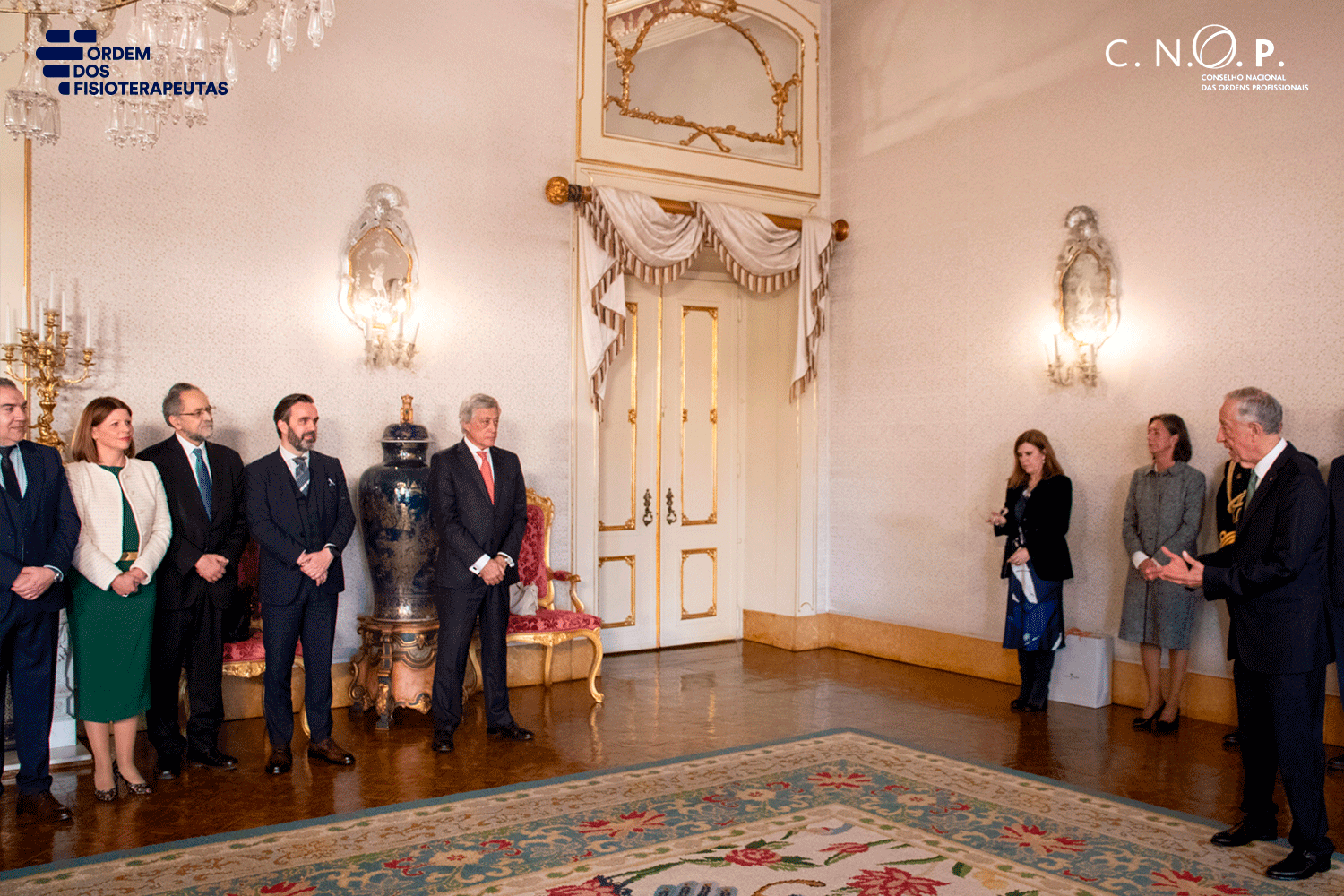
On 13 December, the inauguration ceremony for the governing bodies of the Portuguese Physiotherapists' Association took place in the auditorium of the Lisbon School of Health, following the elections held on 5 December.

The session began in the morning with the inauguration of the General Council, preceded by a speech by the President of the Electoral Commission, Rui Jorge Dias Costa, who outlined the electoral process and the respective results. This was followed by the reading and signing of the terms of office by the elected members of the General Council, formalising the beginning of this body's term of office.

During the afternoon, the ceremony continued with a speech by the President of the General Council, Maria António Ferreira de Castro, and the inauguration of the remaining National and Regional Bodies, namely the Jurisdictional Council, the Supervisory Council, the Regional Directorates and the Regional Assembly Boards of the North, Centre, South, Azores and Madeira. The session culminated with the inauguration of the President of the Bar Association.

In his speech, António Lopes, reappointed as President of the Portuguese Physiotherapists' Association, highlighted the progress made during his previous term of office and the fundamental pillars of the profession's regulation, emphasising the importance of defending the interests of users and the role of the Association as a regulatory body. He emphasised the need to consolidate the work carried out and to plan for the future of the profession with ambition and responsibility:

“The future of the Order lies in consolidating the path we have been building, with vision and ambition, placing Physiotherapy at the service of health, citizens and the public interest.”

The ceremony also featured musical performances by Jorge A. Silva on piano and Marina Zambujo on vocals, and was broadcast live on the Order of Physiotherapists' YouTube channel.

Lisbon to host the World Physiotherapy Congress 2029

World Physiotherapy announced that the World Physiotherapy Congress 2029 will take place in Lisbon, Portugal.

This will be the 11th time that the congress has been held in Europe and the first time in Portugal.
The Physiotherapists' Association has been a member of World Physiotherapy since 2023.

See the press release on the World Physiotherapy website, here or download the document directly here

See the conversation between the President of World Physiotherapy and the President of the Portuguese Physiotherapists' Association

Following the official announcement, World Physiotherapy President Mike Landry shared a conversation with António Lopes, President of the Portuguese Physiotherapists' Association, congratulating Lisbon on being chosen as the host city for the World Physiotherapy Congress 2029.

Watch the full video below.

World Prematurity Day: giving premature babies a safe start to a brighter future

World Prematurity Day takes place on 17 November and aims to raise awareness of the impact of premature birth, reinforcing the importance of improving care for babies and support for their families.
 
Under the slogan “Giving premature babies a safe start to a brighter future”, the 2025 edition calls for concerted action to ensure that all babies born prematurely have access to the healthcare, monitoring and environment they need to grow and develop healthily.
 
This theme is inspired by the World Health Organisation's World Health Day motto “Healthy beginnings, hopeful futures” and reflects the global commitment to ensuring that every premature baby has the best possible start in life.
The Order of Physiotherapists joins this date, highlighting the role of Paediatric Physiotherapy in supporting motor development, preventing respiratory and musculoskeletal complications and promoting the bond between parents and babies.
 
The physiotherapist's intervention is essential for:

- supporting the overall development of premature babies;
- promote comfort and stability during hospitalisation;
- empowering parents and carers, helping them to understand and participate in daily care;
- ensure continuity of care after hospital discharge, monitoring the child's growth and functionality.
 
On this day, the colour purple is once again the universal symbol of prematurity, representing the sensitivity and uniqueness of each baby. The website of the Order of Physiotherapists is therefore displayed in this colour, as a sign of support and awareness for this cause.

World Diabetes Day 2025: know more and act more for diabetes at work

World Diabetes Day takes place on 14 November, a date established in 1991 by the International Diabetes Federation (IDF) and the World Health Organisation (WHO) in memory of Frederick Banting, one of those responsible for the discovery of insulin. This day aims to raise awareness of the growing impact of diabetes, reinforce the importance of prevention and promote healthier living and working environments.

Under the slogan “Diabetes and well-being at work”, the 2025 campaign calls on employers and workers around the world to “know more and do more for diabetes at work”, promoting inclusive, informed and supportive workplaces. Millions of people face daily challenges in managing diabetes in the workplace, from stigma and discrimination to the difficulty of balancing healthcare with work demands, which has a direct impact on physical and psychological well-being.

According to the IDF, 7 out of 10 people with diabetes are of working age; 3 out of 4 live with anxiety, depression or another mental health disorder associated with the disease; 4 out of 5 report exhaustion or burnout related to the daily management of diabetes.

By 2025, it is estimated that 589 million people worldwide will be living with diabetes and this figure could reach 853 million by 2050. In Portugal, it affects around 1.4 million people, which represents 14.2% of the population between the ages of 20 and 79, according to the Annual Report of the National Diabetes Observatory.

The Order of Physiotherapists emphasises that the fight against diabetes must be based on a multidimensional approach that combines prevention, education, training and functional rehabilitation, guaranteeing an integrated and sustainable response.

Physiotherapy plays a decisive role in all stages of the disease:

  • contributes to primary prevention by promoting physical activity, health education and reducing sedentary lifestyles;
  • supports the empowerment of people at risk and those living with diabetes, reinforcing knowledge about the disease and strategies for its daily management;
  • intervenes in a targeted way to prevent complications such as circulatory changes, foot ulcers, chronic kidney disease or musculoskeletal limitations;
  • and works to promote mobility, functionality and autonomy, preventing more serious situations such as amputations.

For the general population and for people at risk of developing diabetes, the focus of physiotherapy intervention is awareness and education about risk factors and the essential tools for their prevention. For people with diagnosed diabetes, training and ongoing monitoring are essential to improve self-management of the condition and reduce the risk of serious complications.

Working in conjunction with other health professionals, physiotherapists make a decisive contribution to improving quality of life, preventing disability and supporting full integration into working life.

On this World Diabetes Day, The Order of Physiotherapists joins the global call to “know more and act more for diabetes at work”, reaffirming its commitment to promoting the health, well-being and inclusion of people with diabetes in all contexts of their personal and professional lives.

World Stroke Day: Physiotherapy saves lives and improves quality of life

Stroke continues to be the leading cause of death and disability in Portugal, with around 25,000 cases a year and three occurrences every hour. Of these, at least one person dies and another is left with sequelae, often of working age. On World Stroke Day, marked on 29 October, the Order of Physiotherapists reinforces the importance of prevention, rehabilitation and the creation of structured care pathways that guarantee equitable access to physiotherapy at all stages of the disease.

Stroke mainly affects people of working age, requiring an integrated approach that begins with primary prevention. Physiotherapy plays a central role in this area, contributing to the promotion of physical activity, assessment of functional fitness, management of risk factors and health education throughout the life cycle. Regular physical exercise, a balanced diet, control of hypertension and diabetes, smoking cessation and a reduction in alcohol consumption can prevent up to 80% of strokes.

In the post-acute phase, the intervention of physiotherapists is crucial to recovering mobility, functionality and autonomy, reducing complications and improving the quality of life of those affected. Rehabilitation must be early, intensive and adapted to individual needs, also involving family members and carers to ensure a safe and sustainable recovery.

The current reality, however, shows that only 30% of stroke survivors in Portugal have access to intensive rehabilitation care, and around 65% do not receive adequate multi-professional follow-up. The Order of Physiotherapists therefore advocates the implementation of a clear and structured care pathway that allows direct and rapid access to physiotherapy and ensures continuity of care from hospitalisation to rehabilitation in the community.

Strengthening human resources in physiotherapy, improving coordination between levels of care and creating innovative models such as the “Via Verde à Fisioterapia” or the “Cheque Fisioterapeuta” are fundamental measures to save lives, reduce disability and promote functional recovery.

World Stroke Day is an opportunity to renew our commitment to public policies that put prevention and functional recovery at the centre of health priorities in Portugal. Physiotherapy is essential on this path - from prevention to rehabilitation - helping to transform survival into quality of life.

Pedro Maciel Barbosa

Specialist physiotherapist at the Matosinhos Local Health Unit Sub-coordinator for Primary Health Care, Matosinhos Local Health Unit Visiting Assistant Professor at the Porto School of Health Member of the Board of Directors of the Foundation for Health - SNS Member of the General Council of the Order of Physiotherapists

Carlos Sand

Carlos Areia has been a physiotherapist since 2013, and has worked in various hospitals, clinics and clubs in both Portugal and the UK. He began his academic career at Oxford University in 2016, where he led a clinical trial comparing physiotherapy vs surgery in anterior cruciate injuries in 32 hospitals in England. In 2018 she moved to the neurosciences department, where she developed her own studies on remote monitoring of vital signs, which were implemented during the pandemic. Here he discovered his passion for data, and in 2022, he joined Digital Science as a Data Scientist. He completed his PhD earlier this year, and has more than 60 publications in journals such as The Lancet, BMJ, Cochrane, among others. He is also an honorary lecturer at Oxford Brookes University and a consultant in clinical research.

Eduardo José Brazete Carvalho Cruz

PhD in Physiotherapy from the University of Brighton, UK. Post-Doctorate in Epidemiology from the National School of Public Health at the New University of Lisbon.
Coordinator of the Studies and Planning Office of the Order of Physiotherapists. Coordinating Professor of the Physiotherapy Department of the School of Health of the Polytechnic Institute of Setúbal (ESS-IPS). President of the ESS-IPS Technical-Scientific Council. Coordinator of the Physiotherapy Department at ESS-IPS. Integrated Researcher at the Comprehensive Health Research Centre (CHRC) (a partnership between FCM-UNL, the National School of Public Health, the University of Évora, the Lisbon Institute of Global Mental Health and Santo Espírito Hospital, Terceira Island, Azores).

Sara Souto Miranda

Sara Souto Miranda has a bachelor's and master's degree in physiotherapy from the University of Aveiro, and a postgraduate qualification in adult respiratory physiotherapy from the same institution. In 2023 she completed her double doctorate in Rehabilitation Sciences/Health, Medicine and Life Sciences at the Universities of Aveiro and Maastricht (Netherlands) and is currently working as a technical-scientific advisor to the Studies and Planning Office (GEP) of the Order of Physiotherapists, and as a guest lecturer at the Piaget Institute in Vila Nova de Gaia. As a member of the Respiratory Research and Rehabilitation Laboratory at the University of Aveiro (Lab3R), she has carried out applied research in which she has assessed and treated patients with respiratory pathology, having taken part in 6 research projects. Throughout her career she has published 19 scientific articles in international peer-reviewed journals with an impact factor, 1 book chapter and more than 50 abstracts in conference proceedings. She was a research volunteer at the Ciro rehabilitation centre (Centre for expertise in chronic organ failure) in the Netherlands, and is currently a member of the Guideline Methodology Network of European Respiratory Society. She was honoured by European Lung Foundation e European Respiratory Society for carrying out patient-centred research, by the Directorate General for Higher Education with a merit grant for his master's degree, and by the Ciro Centre with a grant to support research abroad.

This site uses cookies to enable a better user experience.
By browsing the site you are consenting to its use.