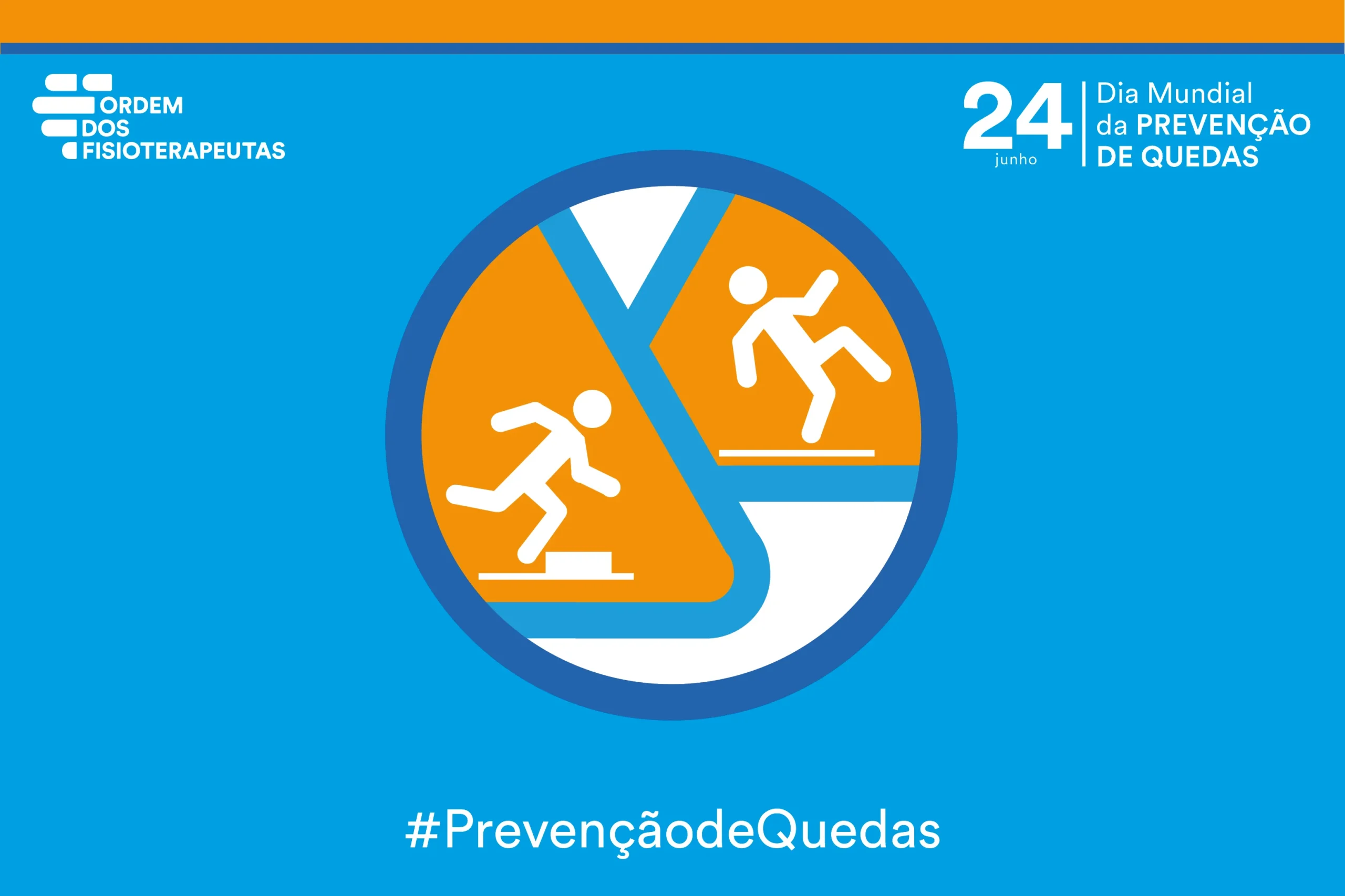
Today, 24 June, marks World Fall Prevention Day, a date which provides an opportunity to raise awareness of the risks associated with falls and the importance of effective prevention strategies.
Fall prevention remains an internationally recognised public health priority. According to the World Health Organisation, falls are the second leading cause of death due to unintentional injuries worldwide, which are associated each year with hundreds of thousands of deaths and millions of cases requiring medical care. The impact is particularly significant amongst older people, among whom the risk of serious injury, loss of independence and institutionalisation is higher.
Although falls can occur at any age, they are of particular concern in older people because of their association with fractures, fear of falling, reduced mobility and loss of independence. In this context, Prevention is key.
Scientific evidence shows that Many falls can be prevented. Risk education, the promotion of physical activity, improvements to environmental conditions and the early identification of risk factors are essential components of this prevention strategy.
The physiotherapist’s treatment aims to improve balance, muscle strength, posture, flexibility and functional ability, thereby helping to ensure greater safety when moving around and to maintain independence and participation in activities of daily living.
The Portuguese Physiotherapists’ Association marks this occasion by highlighting the role of physiotherapy in assessing the risk of falls, in providing guidance on exercise programmes tailored to each individual, and in promoting practical strategies to prevent falls and maintain mobility, safety and independence throughout life.
Download herei a presentation offering practical prevention recommendations, focusing on reducing risks at home, physical activity, looking after one’s eyesight and managing medication, wearing suitable clothing and footwear, and consulting a physiotherapist, as a healthcare professional with expertise in assessing the risk of falls and advising on preventive strategies.