
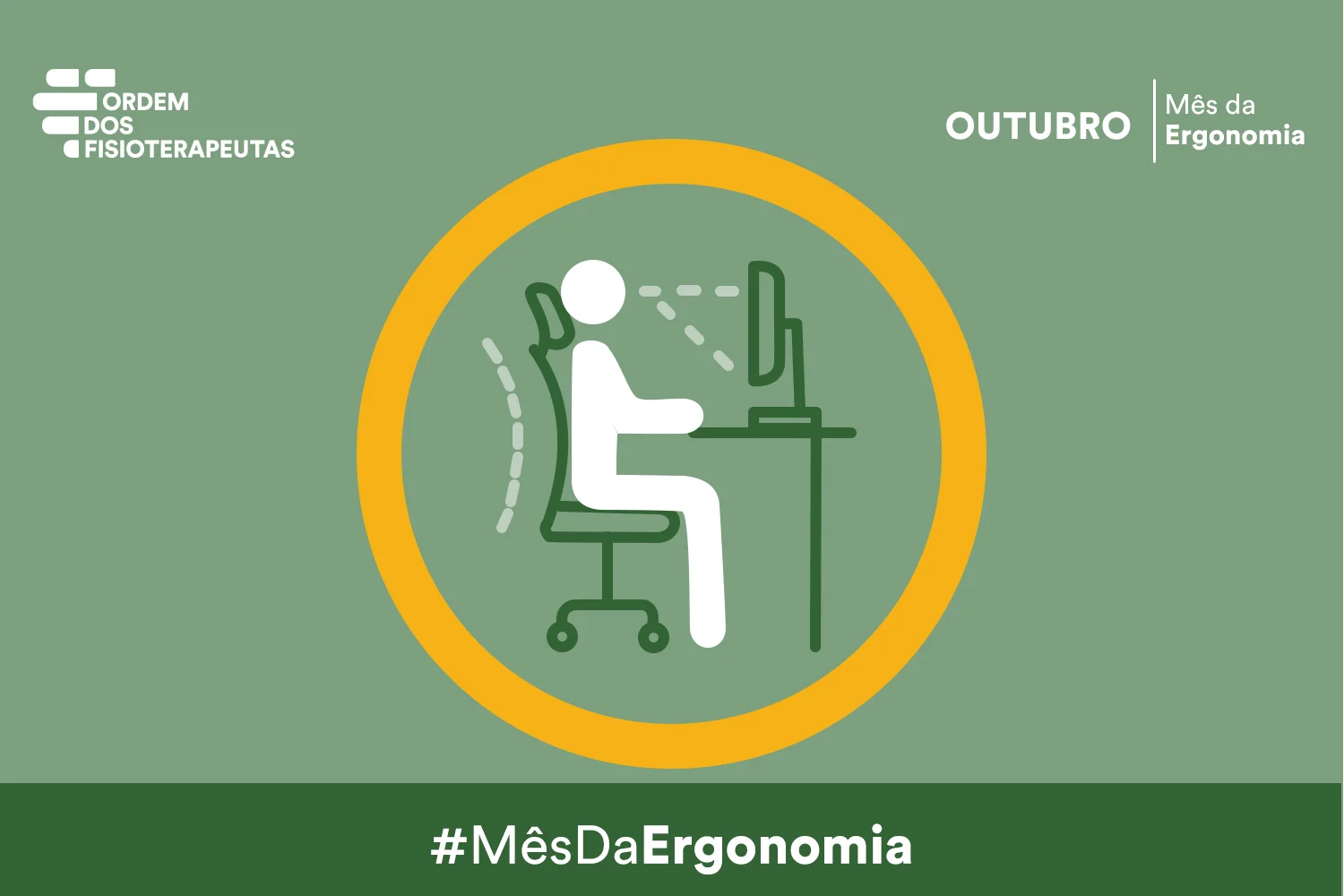
October is the Ergonomics Month, the interdisciplinary field dedicated to adapting work to people. The date also provides an opportunity to recall that several of its principles, such as task and posture variety, breaks, and the suitability of the workstation and work organisation, are integral to the physiotherapist’s role in occupational health, particularly in the prevention and management of work-related musculoskeletal injuries.
Work-related musculoskeletal disorders result from a combination of various factors. They may be linked to physical and biomechanical demands, such as repetitive movements, the application of force, the handling of loads or prolonged periods spent in the same position, as well as to organisational, psychosocial and individual factors.
Prevention, therefore, does not involve finding a single “correct posture” to maintain throughout the day. Ensuring greater variety in movement and position, encouraging active breaks, and adapting the workstation and work organisation to the individual’s needs are important strategies for promoting health and wellbeing in the workplace.
The role of physiotherapy
Physiotherapy can make a specific contribution in this context. The Directorate-General for Health recognises that physiotherapists can form part of occupational health and safety teams, in accordance with the occupational risks identified and the priorities of each service.
In the field of occupational health, physiotherapists can help to assess workers’ functional capacity and the physical demands of their work, identify factors linked to musculoskeletal problems, and promote strategies for movement, exercise, education and adaptation tailored to the needs of each individual and each work context.
Moving around whilst at work
A “Move at Work” campaign”, from the European Region of World Physiotherapy, emphasises a simple idea: the body needs movement throughout the working day. Reducing long periods of sitting, changing positions, incorporating movement breaks and developing more active habits can all form part of a healthier approach to work.
The Portuguese Physiotherapists’ Association highlights the contribution of physiotherapy to creating more active, healthy work environments that are tailored to people’s needs, in collaboration with other professionals in occupational health teams.