The Portuguese Physiotherapists’ Association discusses new rules in Madeira and calls for improved access to care

On 11 and 12 June, the Portuguese Physiotherapists’ Association held a series of institutional consultations in the Autonomous Region of Madeira on the new rules governing the provision of care in the field of Physical Medicine and Rehabilitation and their potential implications for patients’ access to physiotherapy.

As part of these efforts, the President of the Portuguese Physiotherapists’ Association, António Lopes, first met with the Regional Secretary for Health and Civil Protection, and subsequently with the parliamentary groups of the PS, JPP, CHEGA, IL and CDS, at the request of these parties, and presented the Order’s position on this matter.

During the meetings, the President of the Order expressed his disagreement with the content of the regional decree, as it represents a step backwards in relation to a national model which the Portuguese Physiotherapists’ Association considers outdated and ill-suited, both from the point of view of the legal framework and in terms of the quality and timeliness of the response to the population’s health problems, and to which it has been publicly expressing its opposition to national government bodies.

The amendments now proposed prioritise and are aimed at cost containment, without ensuring improved access for citizens to physiotherapy care, at the most appropriate and necessary times, in line with patients’ needs and the varying clinical pathways, where there is scientific evidence of the effectiveness of physiotherapists’ interventions.

They also restrict and hinder the involvement of physiotherapists through direct referrals from various medical specialities, leading to unjustified delays, duplication of appointments and an increase in the associated direct and indirect costs.

In this context, he provided his counterparts with supporting documentation to explain his position and to justify the changes he is proposing, with a view to improving the provision of healthcare in the field of physiotherapy.

It emphasised the status of Physiotherapy as an autonomous scientific discipline and of the profession of physiotherapist as an autonomous and self-regulated health profession, safeguarding the role of the various bodies of the profession, as an association governed by public law, with powers delegated by the state, in regulating the profession and defending the general interests of users of the services provided by its members, whilst safeguarding and ensuring respect for citizens’ right to health.

It also emphasised that physiotherapists may practise their profession legally and independently in various settings, notably in independent physiotherapy units under the clinical management of physiotherapists, which are duly registered, including in the Autonomous Region of Madeira. In this regard, the Association considers it essential that users of these units should also be able to benefit from the co-payment arrangements applicable to healthcare.

These meetings revealed a clear recognition on the part of local stakeholders of the importance of physiotherapists’ contribution to the Regional Health System, and a willingness to expand their role and integration not only in the field of rehabilitation, but also in primary healthcare and at various levels of prevention and health promotion.

The President and the Madeira Regional Board of the Portuguese Physiotherapists’ Association will monitor developments in the situation and have reaffirmed their willingness to work with the local authorities to improve the public’s access to physiotherapy care provided by physiotherapists.

The visit concluded with a meeting with physiotherapists from the Autonomous Region of Madeira, during which it was possible to listen to their concerns, identify challenges and present the work carried out by the Portuguese Physiotherapists’ Association.
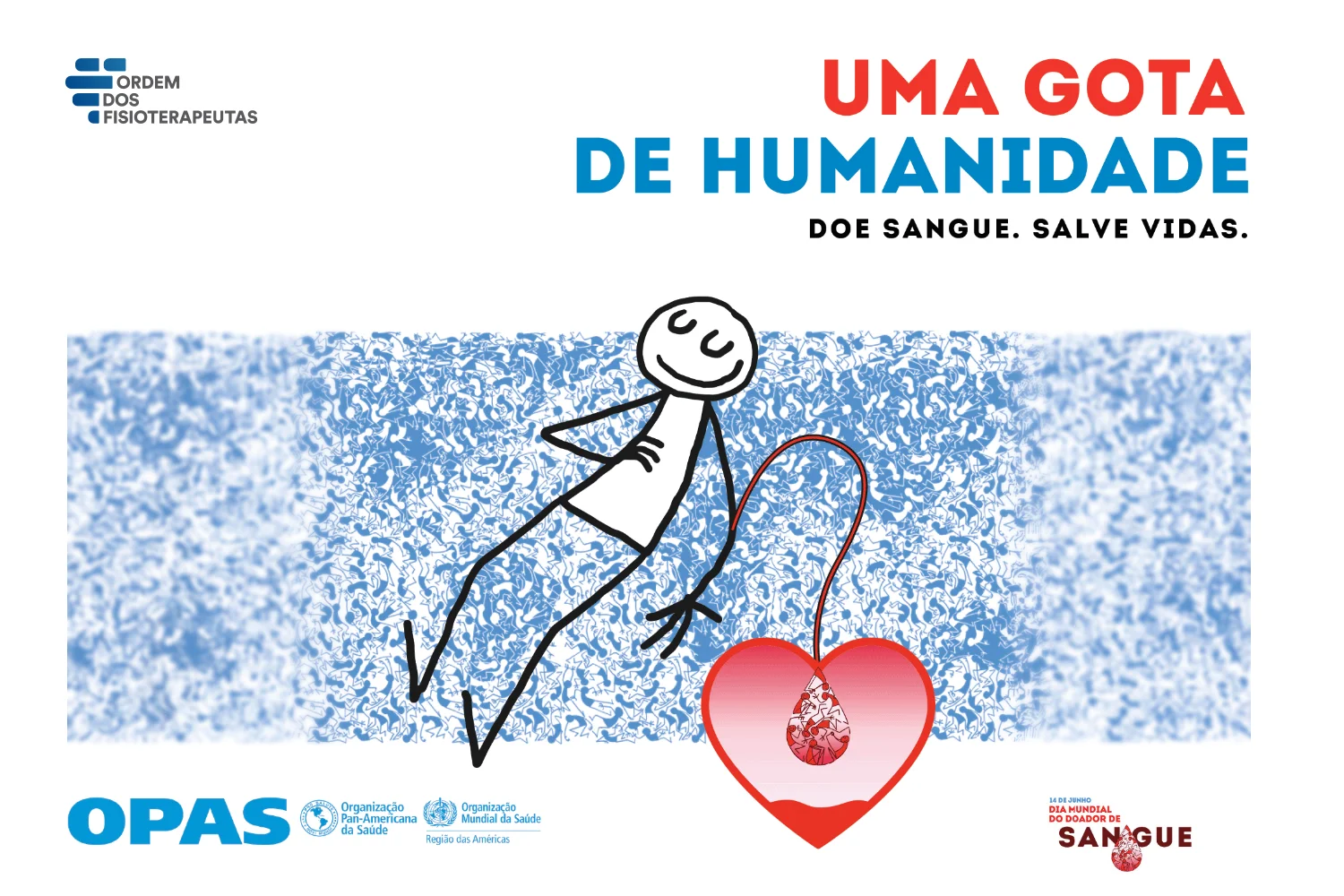
World Blood Donor Day: a drop of humanity can save lives

Today, 14 June, marks World Blood Donor Day, which is celebrated annually under the auspices of the World Health Organisation.

In 2026, the date is marked under the motto "A drop of humanity. Give blood. Save lives.", a message that places solidarity, compassion and collective responsibility at the heart of blood donation.

Every year, this day pays tribute to the donors who help save lives and highlights the importance of ensuring that safe blood is available to those who need it. Blood is essential to the response of healthcare systems in a wide range of situations, including emergencies, childbirth, surgery, cancer treatment and other medical conditions that depend on safe and timely transfusions.

The Portuguese Association of Physiotherapists joins in marking this occasion, emphasising the importance of blood donation to the healthcare system’s response and recognising the value of all those who contribute to this chain of care and solidarity.

As healthcare professionals, physiotherapists can also play an important role in raising awareness, providing information and encouraging patients to understand the importance of giving blood, where appropriate, thereby helping to improve health literacy and foster a sense of collective responsibility regarding this ongoing need.

On this World Blood Donor Day, the Portuguese Association of Physiotherapists joins the call for more people to find out more, become blood donors and contribute to a vital response that ensures the safety and continuity of healthcare.

Find out how you can give blood or provide information to potential donors here.

Meeting with the Regional Secretariat for Health and Civil Protection of Madeira

The President of the Portuguese Association of Physiotherapists met with the Regional Secretary for Health and Civil Protection in Madeira, Micaela Freitas, accompanied by the Chair of the Madeira Regional Board of the Portuguese Physiotherapists’ Association, Mara Teixeira, and by a member of the same Board, Joana Pita.
 
Among the topics discussed was the funding model for Physical Medicine and Rehabilitation, with the Portuguese Association of Physiotherapists reiterating its position on the need to strengthen the autonomy of physiotherapists in the practice of their profession.
 
The meeting also provided an opportunity to discuss the contribution of physiotherapists to the Regional Health System, with their role in functional recovery, rehabilitation, prevention and the promotion of the population’s quality of life being recognised.
 
The Portuguese Association of Physiotherapists will continue to work with the relevant authorities to find solutions that promote better healthcare and greater recognition of the profession.

Applications are now open for the 13th edition of the Healthcare Excellence Award

The Portuguese Association of Physiotherapists is announcing the 13th edition of the Healthcare Excellence Award, an initiative organised by the Portuguese Association of Hospital Administrators (APAH) in partnership with the biopharmaceutical company AbbVie.

The aim of this award is to recognise and encourage projects that have contributed to improving safety, access, integration, efficiency and/or outcomes in healthcare.

Teams of healthcare professionals comprising hospital administrators and/or other healthcare professionals, including physiotherapists, whose projects were developed and implemented in 2025 and/or 2026, are eligible to apply.

Applications may be submitted by public, social and private organisations within the health system, based in mainland Portugal and the Autonomous Regions of the Azores and Madeira.

The Portuguese Association of Physiotherapists encourages its members to learn about and promote this initiative, which supports projects aimed at improving healthcare. The involvement of physiotherapists in multidisciplinary teams can make a significant contribution to projects focused on integrated care, the efficiency of responses, improved access and the achievement of health gains.

Applications are open until 30 June 2026 and must be submitted by email to secretariado@apah.pt

See the Regulation …and join in!

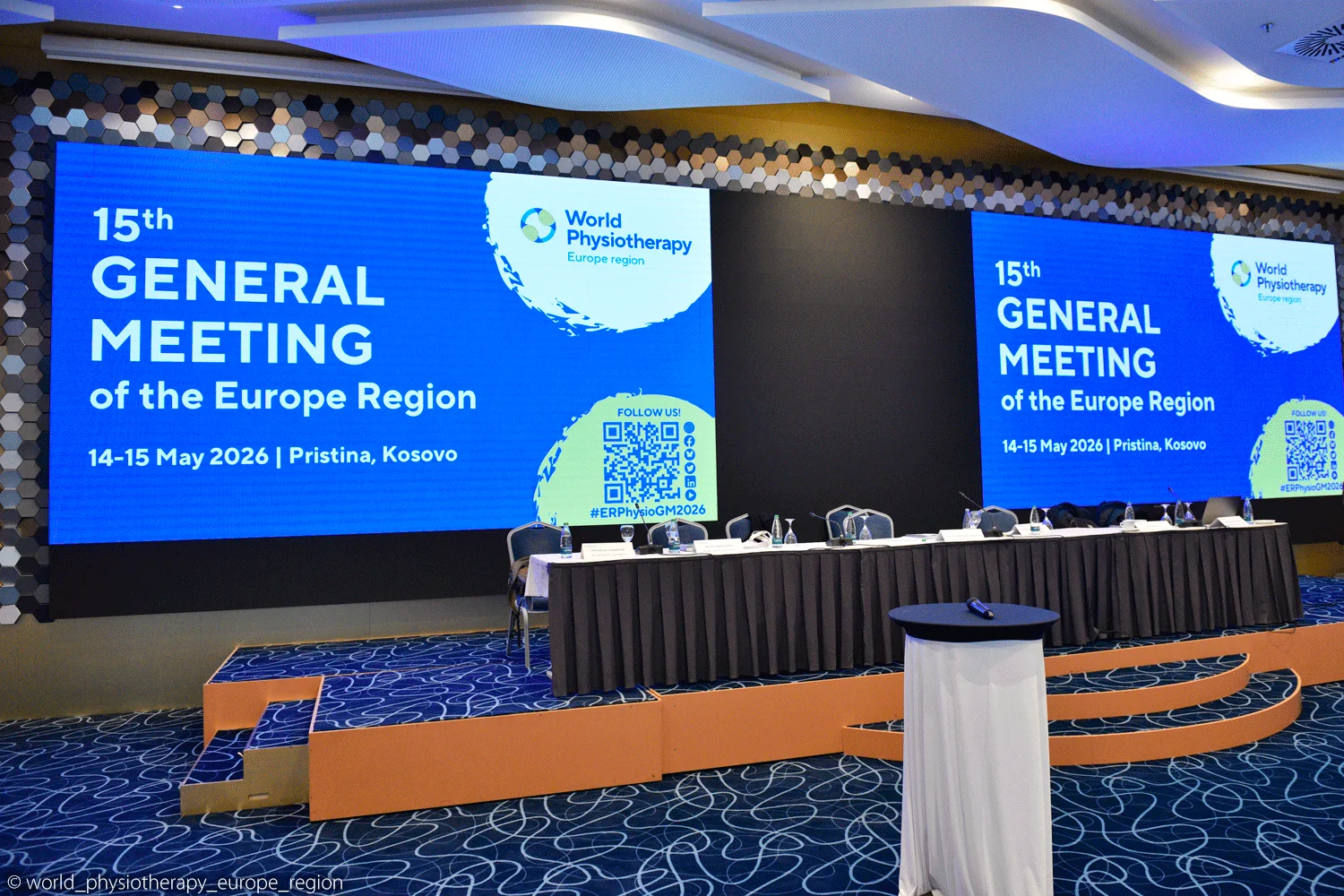
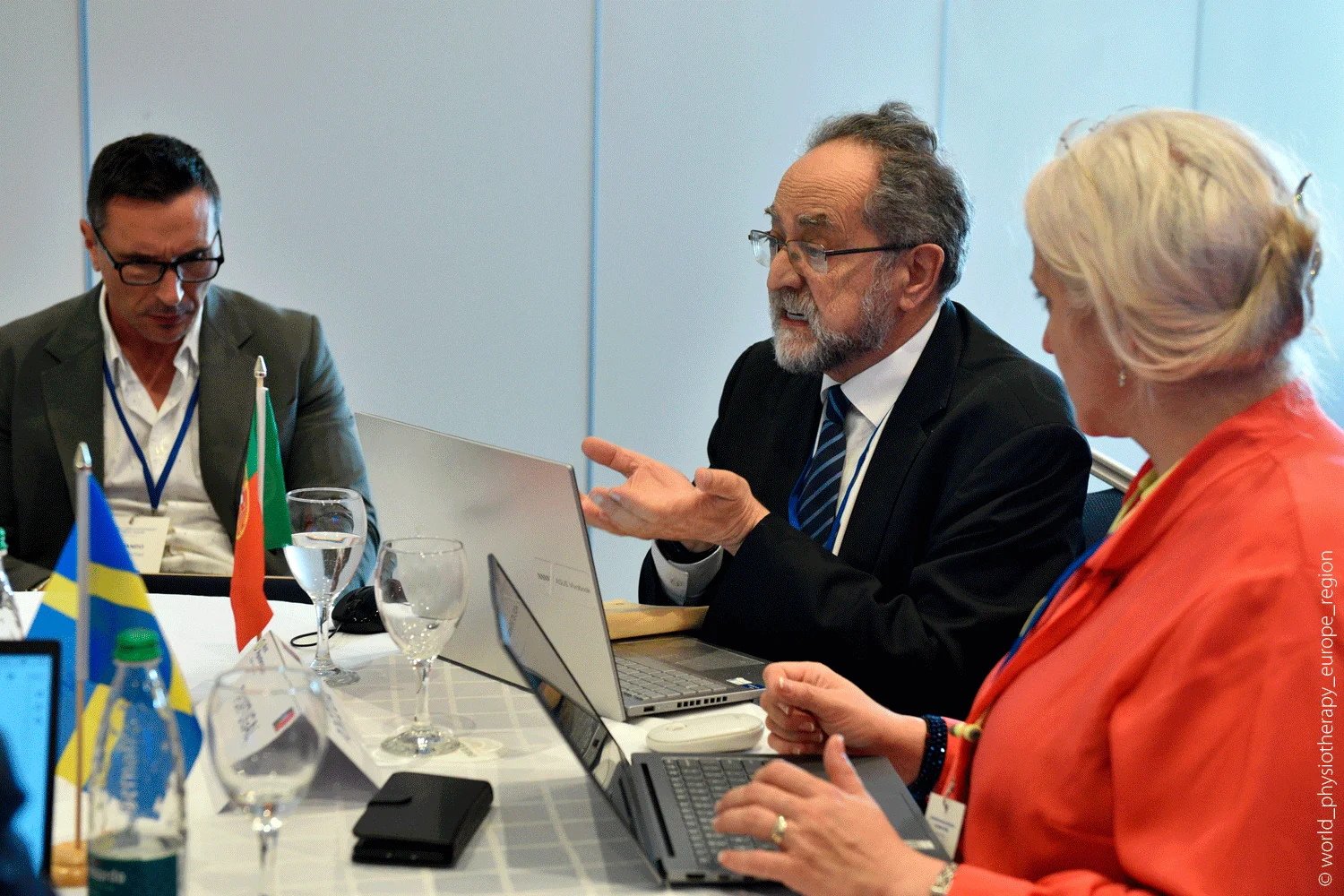
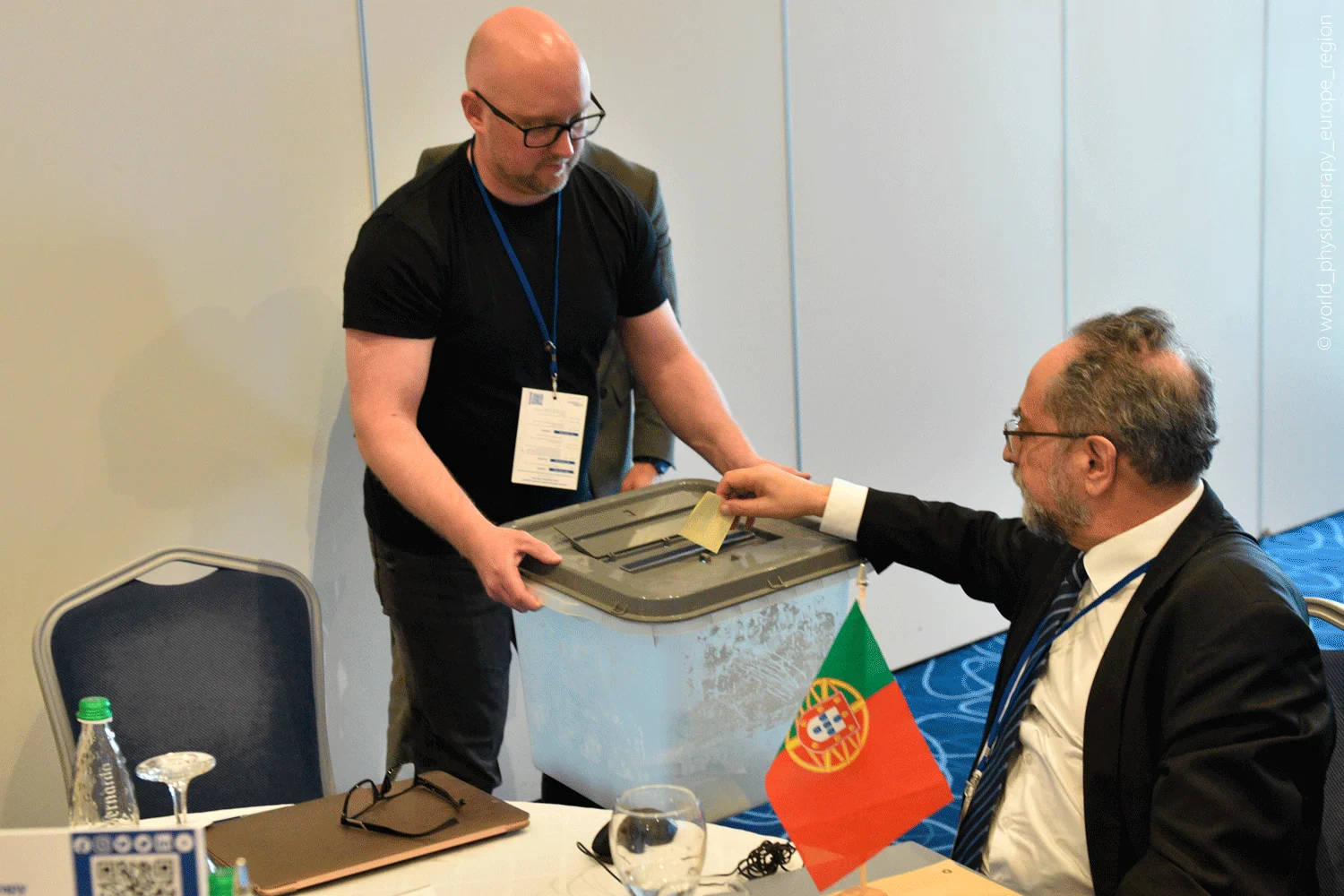
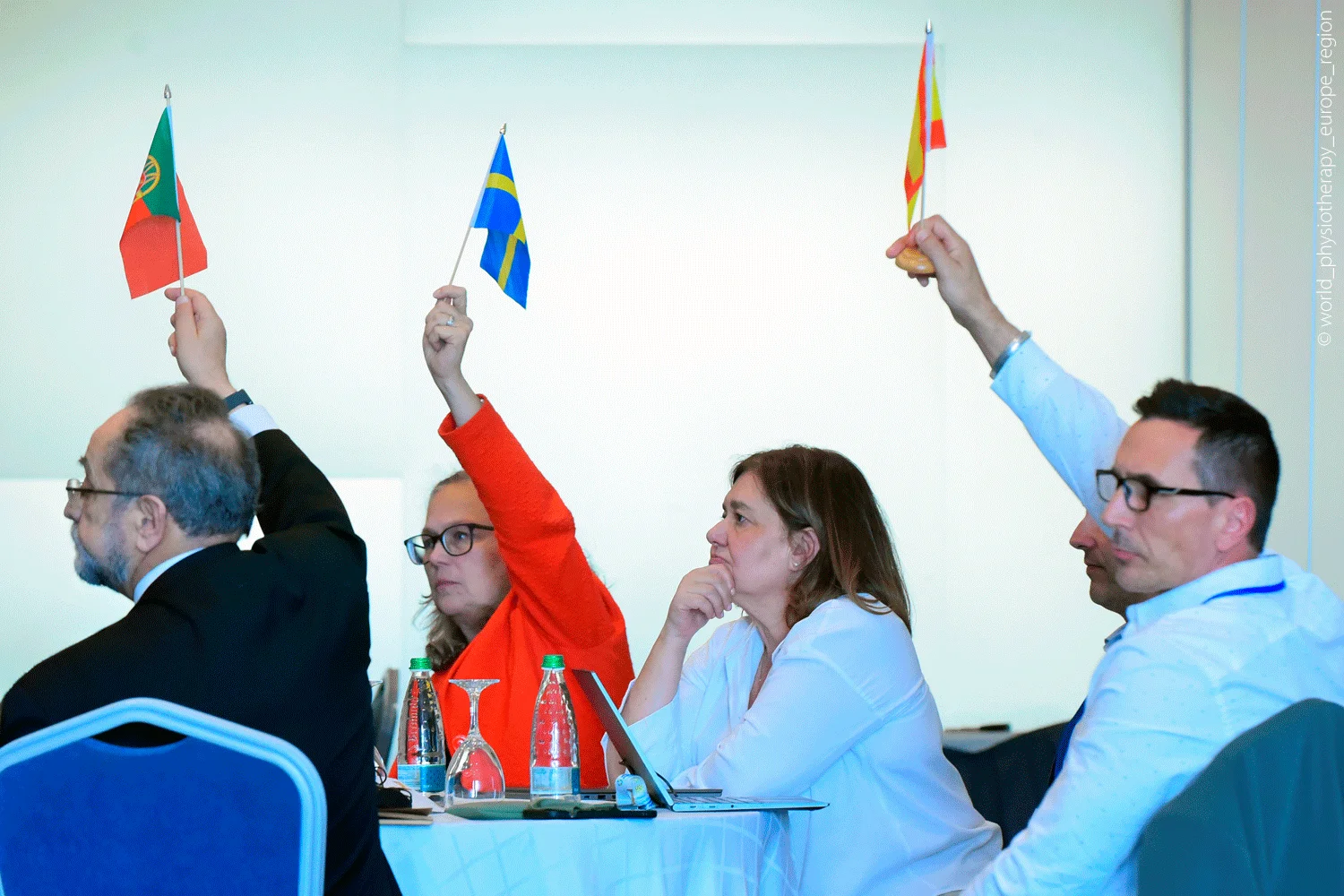
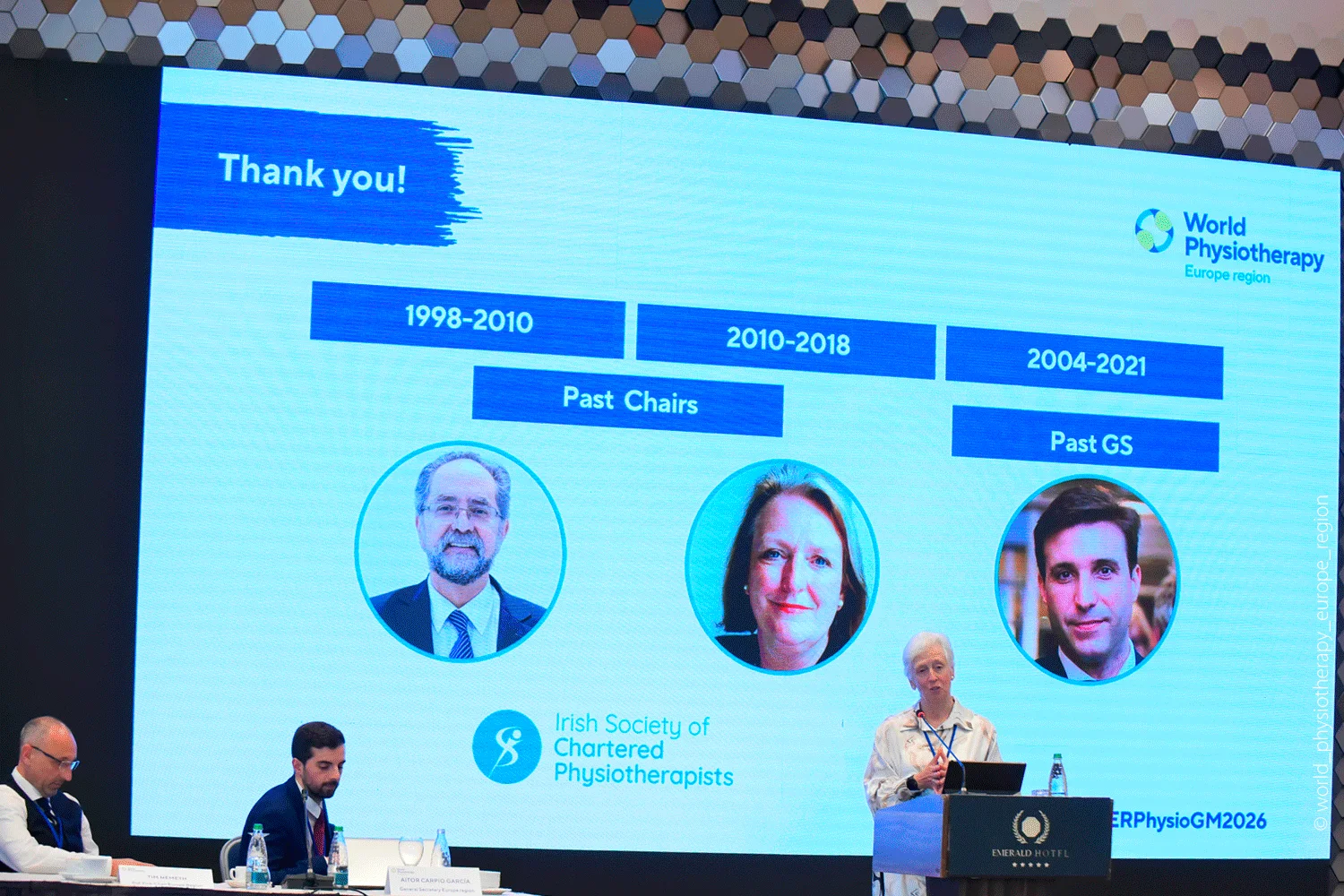
15th General Assembly of the European Region of World Physiotherapy: Portugal strengthens its representation on the Executive Committee

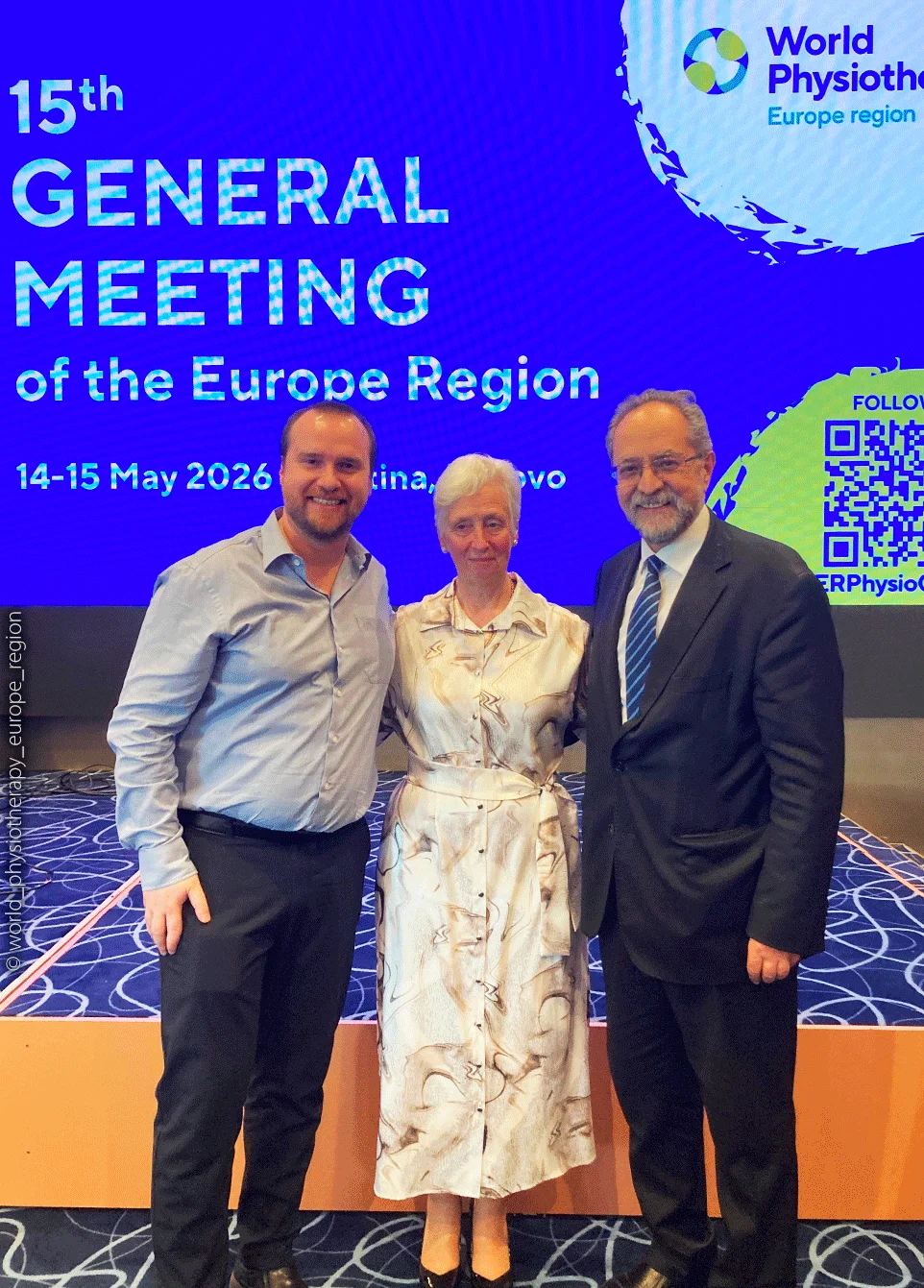
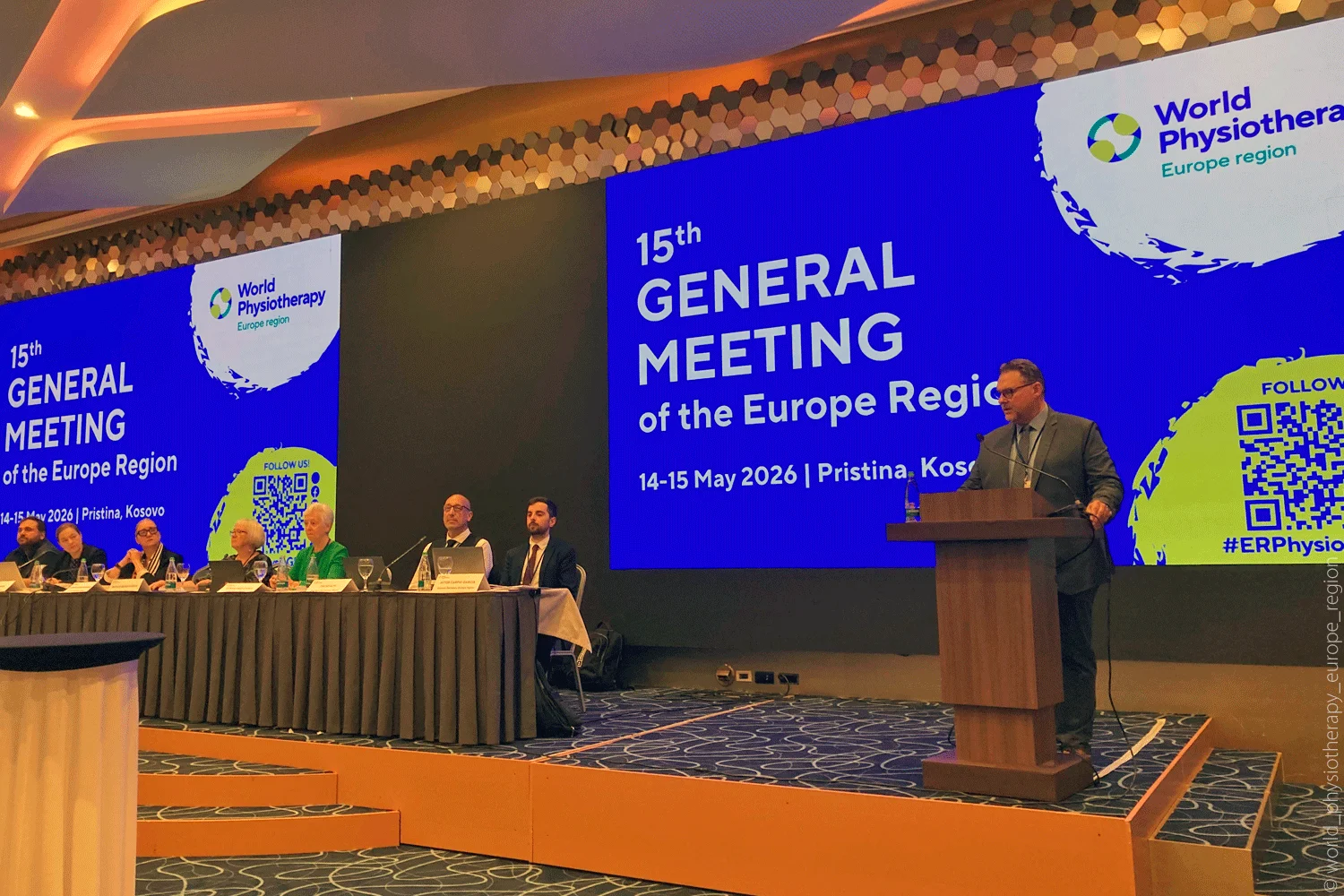
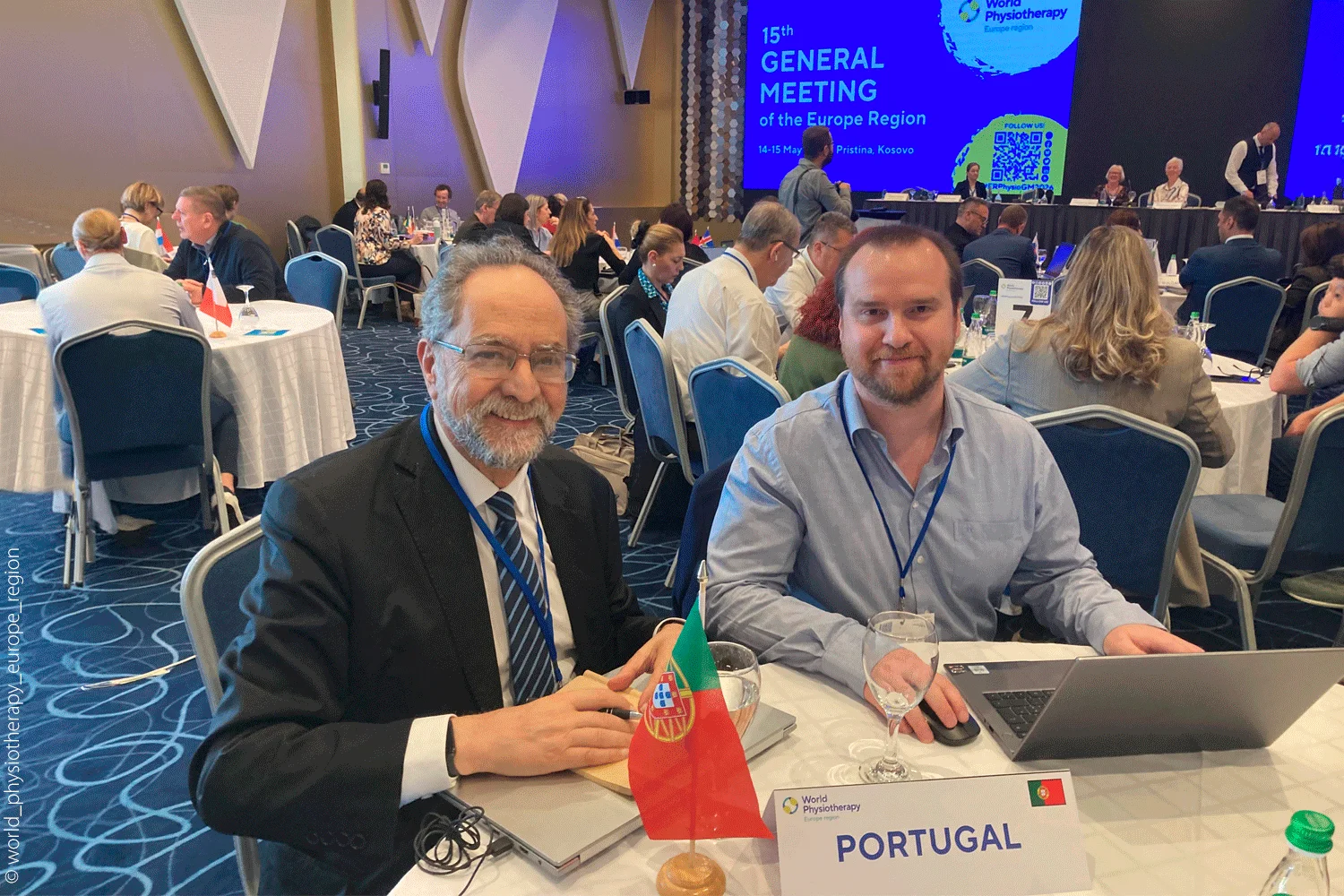
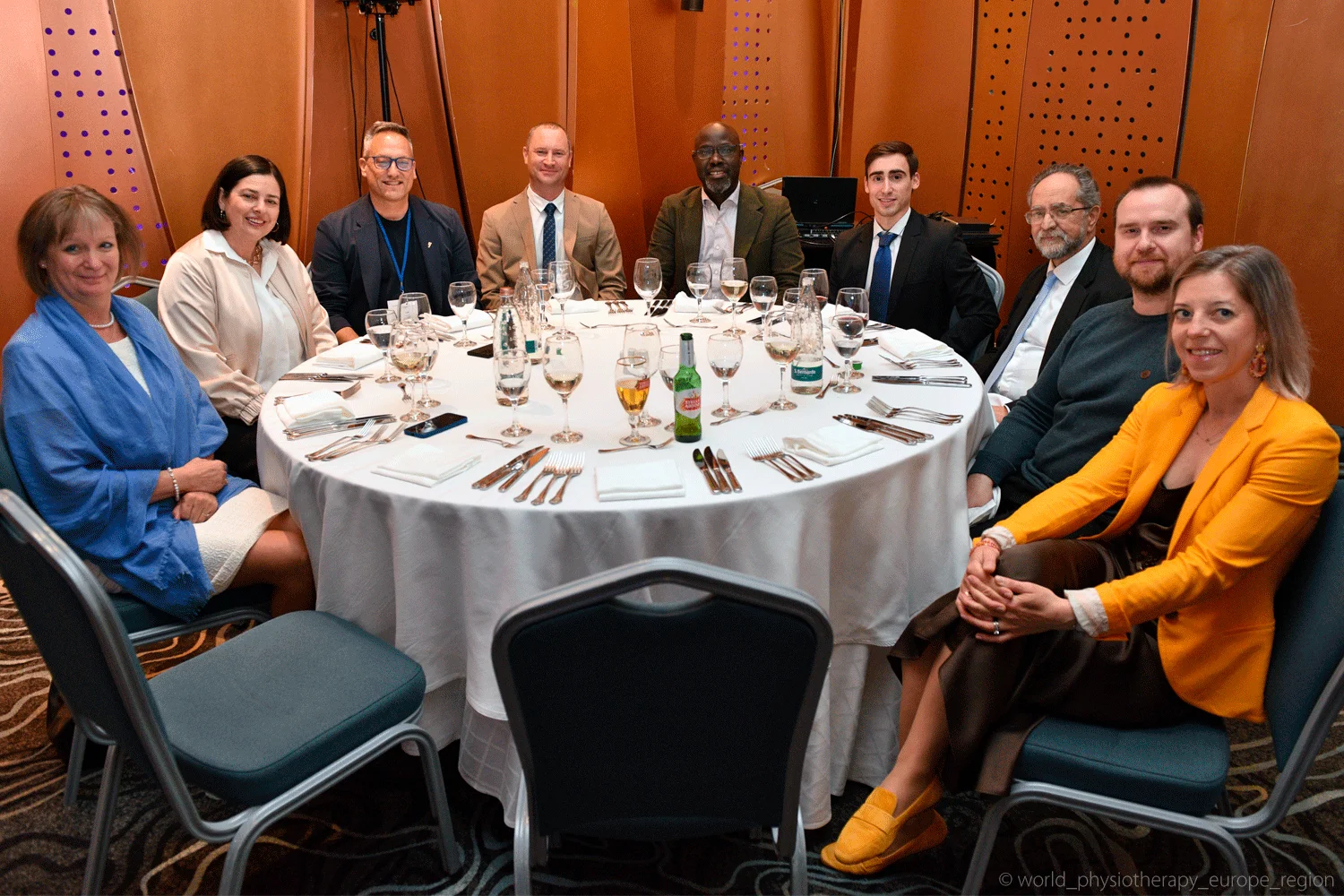
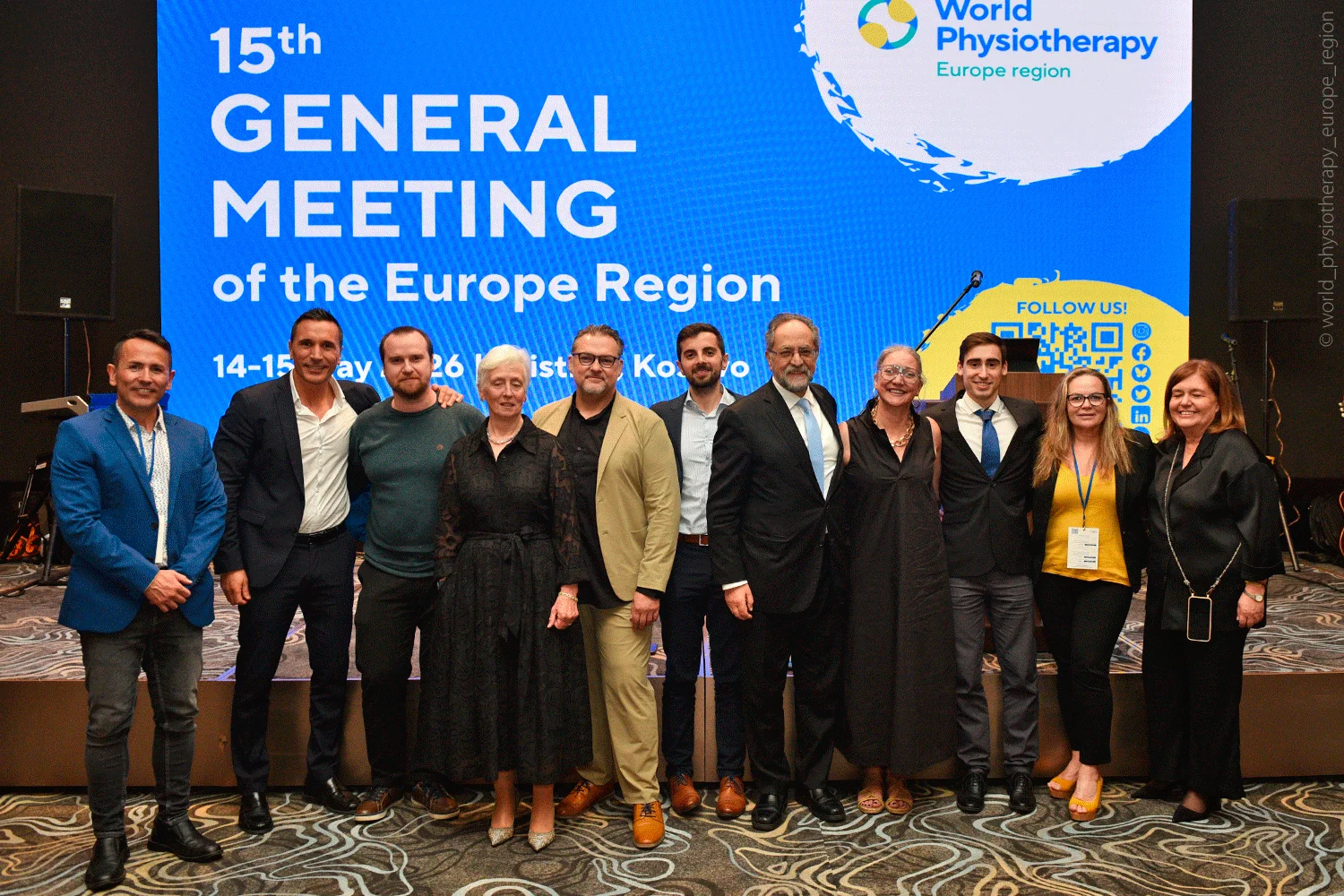
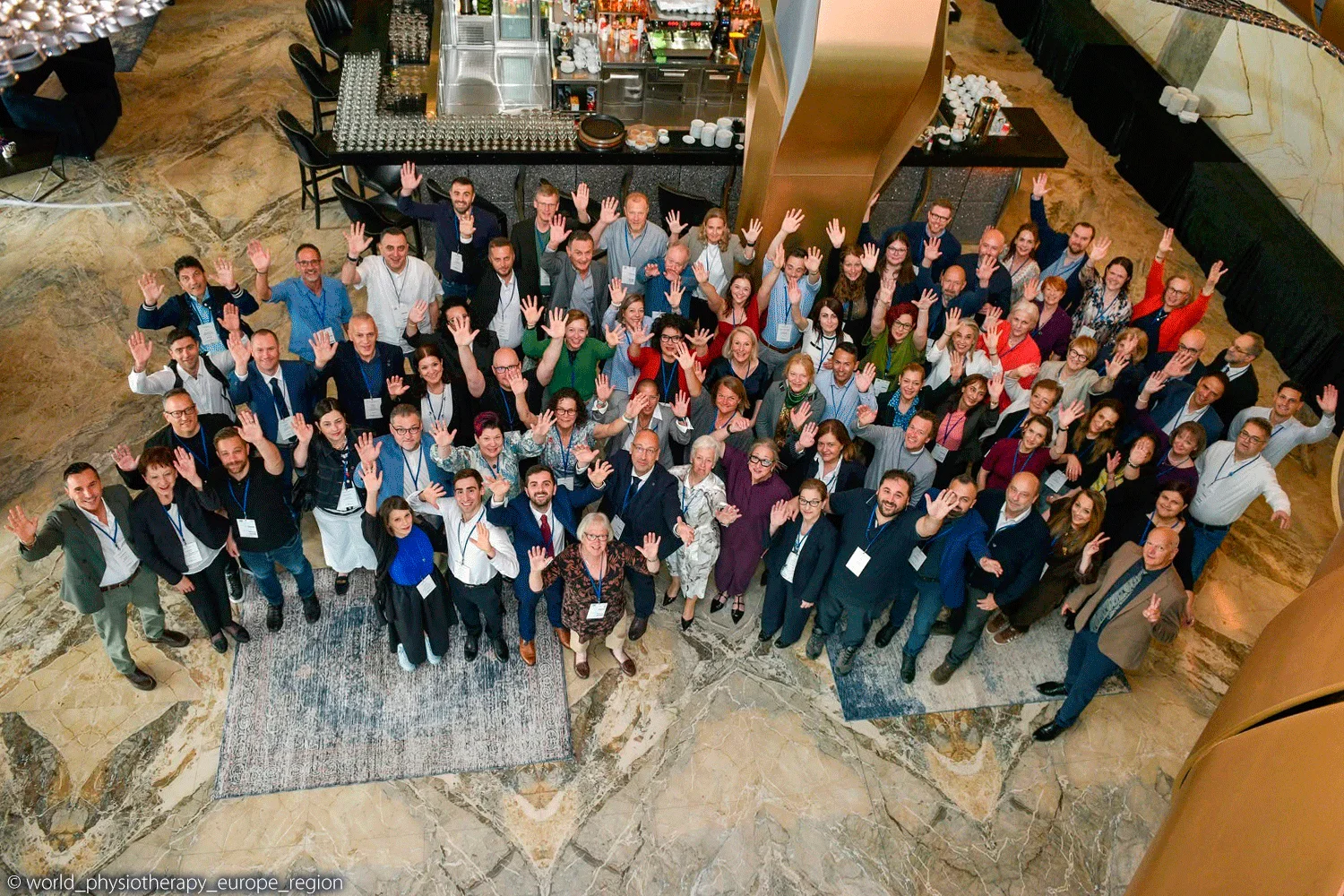
The Portuguese Association of Physiotherapists took part in 15th General Assembly of the European Region of World Physiotherapy, which took place in Pristina, Kosovo, on 14 and 15 May. The Portuguese delegation was led by the President of the Bar, António Lopes, and by the physiotherapist Adérito Seixas, First Secretary of the Bureau of the General Council of the Portuguese Physiotherapists’ Association.
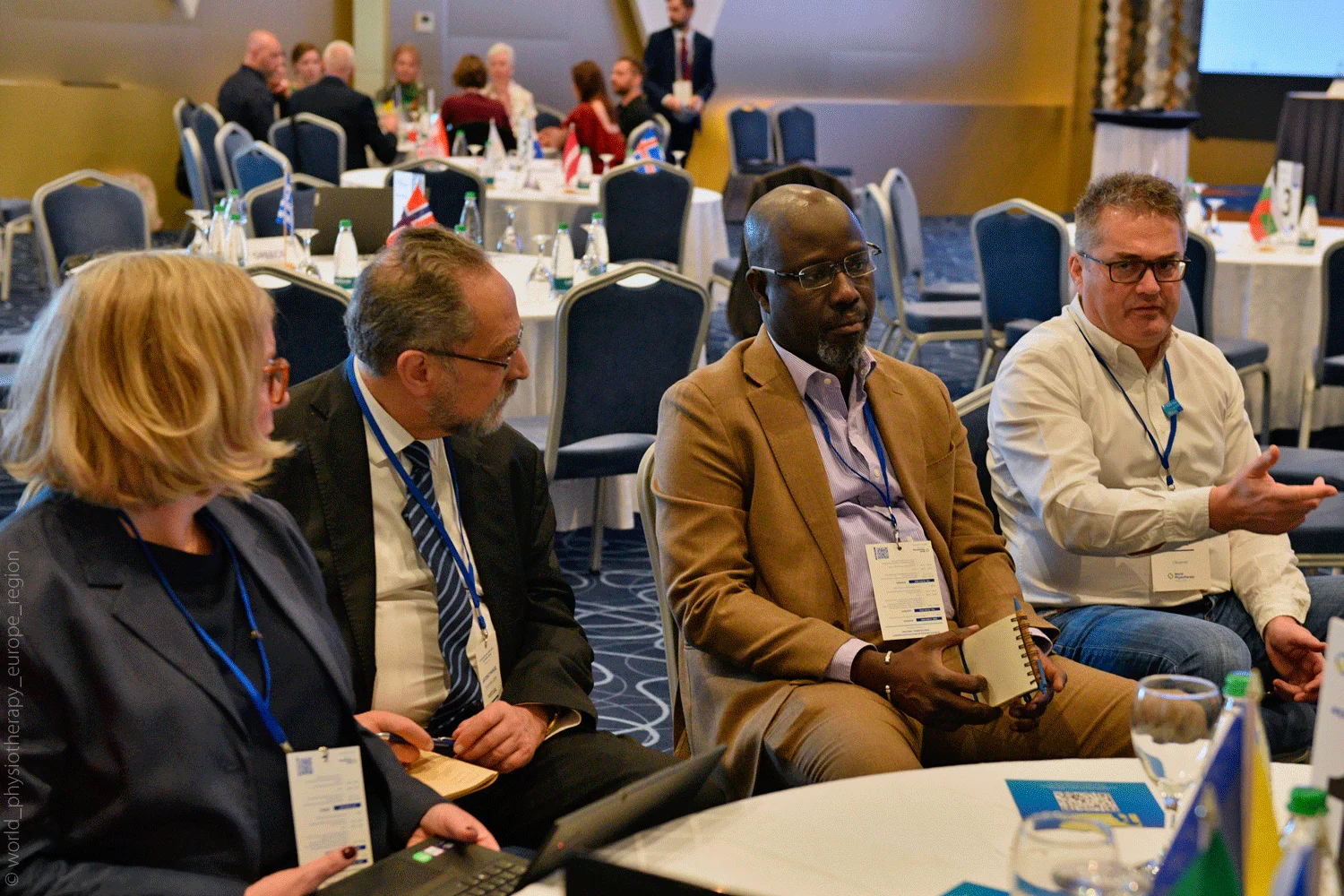
According to information released organised by the European Region, the meeting was attended by representatives from 32 member organisations and included, among the main items on the agenda, the approval of the Strategic Plan 2026–2030 and a review of the documents produced by the working groups during the 2024–2026 term. The meeting also included group discussions on topics relevant to the future of physiotherapy in Europe, including training, risks and opportunities for the profession.

During the General Meeting, elections were also held for the vacant positions on the Executive Committee of the European Region of World Physiotherapy. In this context, Adérito Seixas was elected to the post of member of the Executive Committee for the 2026–2030 term, thereby strengthening Portugal’s representation within this European body.

Portugal’s participation enabled the country to follow the proceedings of the General Assembly and strengthen the institutional presence of the Portuguese Physiotherapists’ Association within the European context, at a time when preparations are also underway for the 6th Europe Region Physiotherapy Congress.

The General Meeting concluded with a tribute to Esther-Mary D’Arcy, who has stepped down as President of the European Region of World Physiotherapy after eight years in the role, as well as a message of thanks from the organisation to Kosovo Chamber of Physiotherapists, the host organisation for the event.

World Children's Day: growing up healthy, protected and with access to care

Today, 1 June, is World Children's Day, a date that underlines the importance of protecting children's rights and ensuring that they grow up with health, dignity, well-being and access to the care they need.

Physiotherapy in Paediatrics follows children's development from birth to the end of adolescence, promoting physical, functional and emotional well-being, especially in situations that require special care. Physiotherapists intervene in neuromotor, respiratory or musculoskeletal conditions, adapting clinical strategies to the age, specific needs of each child and their family, social and school context.

The physiotherapist's intervention is individualised and uses play as a strategy to involve the child in the activities.

On this World Children's Day, the Order of Physiotherapists emphasises the importance of ensuring that all children have access to adequate, timely and quality child health care. Talking about childhood also means talking about development, functionality, inclusion and fair access to care, essential conditions for every child to develop to their full potential.

To all the physiotherapists who work in this field with dedication, commitment and competence, and to all the children and families they support, the Order of Physiotherapists sends a message of celebration, recognition and commitment to a more protected childhood, with more support and more opportunities to grow up healthy.

Pedro Maciel Barbosa

Specialist physiotherapist at the Matosinhos Local Health Unit Sub-coordinator for Primary Health Care, Matosinhos Local Health Unit Visiting Assistant Professor at the Porto School of Health Member of the Board of Directors of the Foundation for Health - SNS Member of the General Council of the Order of Physiotherapists

Carlos Sand

Carlos Areia has been a physiotherapist since 2013, and has worked in various hospitals, clinics and clubs in both Portugal and the UK. He began his academic career at Oxford University in 2016, where he led a clinical trial comparing physiotherapy vs surgery in anterior cruciate injuries in 32 hospitals in England. In 2018 she moved to the neurosciences department, where she developed her own studies on remote monitoring of vital signs, which were implemented during the pandemic. Here he discovered his passion for data, and in 2022, he joined Digital Science as a Data Scientist. He completed his PhD earlier this year, and has more than 60 publications in journals such as The Lancet, BMJ, Cochrane, among others. He is also an honorary lecturer at Oxford Brookes University and a consultant in clinical research.

Eduardo José Brazete Carvalho Cruz

PhD in Physiotherapy from the University of Brighton, UK. Post-Doctorate in Epidemiology from the National School of Public Health at the New University of Lisbon.
Coordinator of the Studies and Planning Office of the Order of Physiotherapists. Coordinating Professor of the Physiotherapy Department of the School of Health of the Polytechnic Institute of Setúbal (ESS-IPS). President of the ESS-IPS Technical-Scientific Council. Coordinator of the Physiotherapy Department at ESS-IPS. Integrated Researcher at the Comprehensive Health Research Centre (CHRC) (a partnership between FCM-UNL, the National School of Public Health, the University of Évora, the Lisbon Institute of Global Mental Health and Santo Espírito Hospital, Terceira Island, Azores).

Sara Souto Miranda

Sara Souto Miranda has a bachelor's and master's degree in physiotherapy from the University of Aveiro, and a postgraduate qualification in adult respiratory physiotherapy from the same institution. In 2023 she completed her double doctorate in Rehabilitation Sciences/Health, Medicine and Life Sciences at the Universities of Aveiro and Maastricht (Netherlands) and is currently working as a technical-scientific advisor to the Studies and Planning Office (GEP) of the Order of Physiotherapists, and as a guest lecturer at the Piaget Institute in Vila Nova de Gaia. As a member of the Respiratory Research and Rehabilitation Laboratory at the University of Aveiro (Lab3R), she has carried out applied research in which she has assessed and treated patients with respiratory pathology, having taken part in 6 research projects. Throughout her career she has published 19 scientific articles in international peer-reviewed journals with an impact factor, 1 book chapter and more than 50 abstracts in conference proceedings. She was a research volunteer at the Ciro rehabilitation centre (Centre for expertise in chronic organ failure) in the Netherlands, and is currently a member of the Guideline Methodology Network of European Respiratory Society. She was honoured by European Lung Foundation e European Respiratory Society for carrying out patient-centred research, by the Directorate General for Higher Education with a merit grant for his master's degree, and by the Ciro Centre with a grant to support research abroad.

This site uses cookies to enable a better user experience.
By browsing the site you are consenting to its use.